Turkestan: Spiritual and Cultural Heart of Southern Kazakhstan
Expert guide to Turkestan covering the Mausoleum of Khoja Ahmed Yasawi, logistics, seasonality, and integration into Silk Road routes.





Turkestan: Visiting the Spiritual Capital of Kazakhstan
Turkestan is one of the most historically significant cities in Kazakhstan and a core destination for travelers interested in Silk Road heritage, Islamic architecture, and Central Asian spiritual history. Located in southern Kazakhstan approximately 160 kilometers from Shymkent, Turkestan has evolved from an ancient trade hub into a modern pilgrimage and cultural center anchored by the Mausoleum of Khoja Ahmed Yasawi.
Unlike nature-driven routes in Almaty or Mangystau, Turkestan travel is culturally concentrated. Most visitors come to explore monumental architecture, understand regional religious history, and connect southern Kazakhstan with broader Central Asia itineraries. This guide outlines how to structure a visit, what to prioritize, and how Turkestan fits into wider Kazakhstan tours.
The Historical Significance of Turkestan
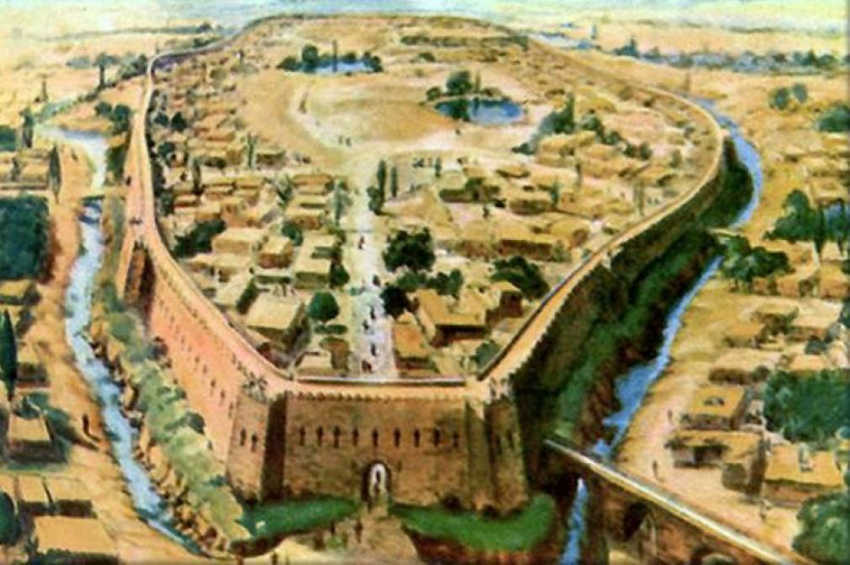
Turkestan was a major center along the Silk Road and became a spiritual capital of the Turkic world.
Khoja Ahmed Yasawi
A 12th-century Sufi poet and spiritual leader whose teachings shaped Turkic Islamic traditions. His influence extends across Kazakhstan, Uzbekistan, and beyond.
Timurid Architecture
The mausoleum built in the late 14th century under the orders of Amir Timur (Tamerlane) represents one of the largest preserved Timurid monuments in Central Asia.
Turkestan’s identity is inseparable from this architectural and spiritual legacy.
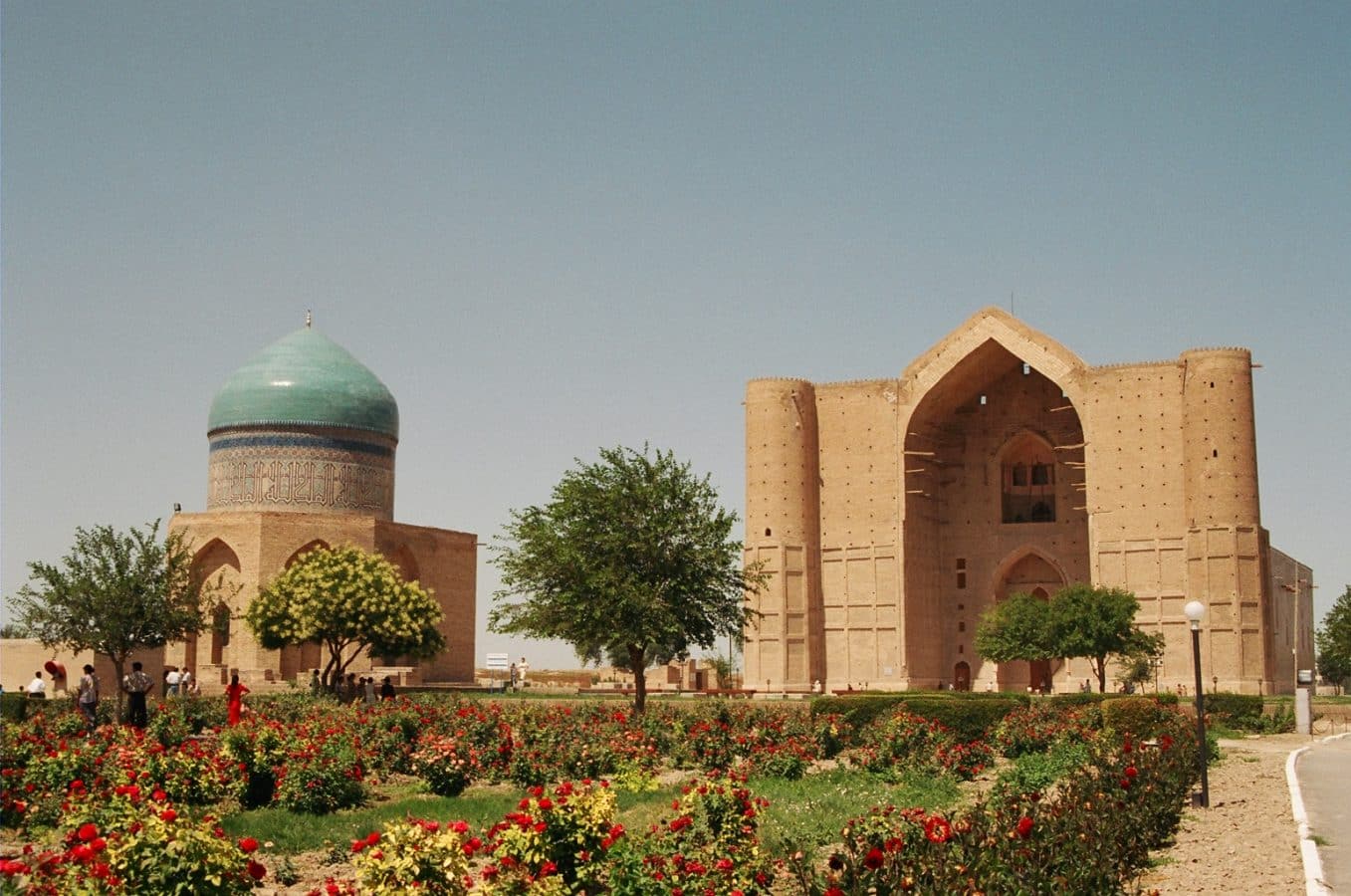
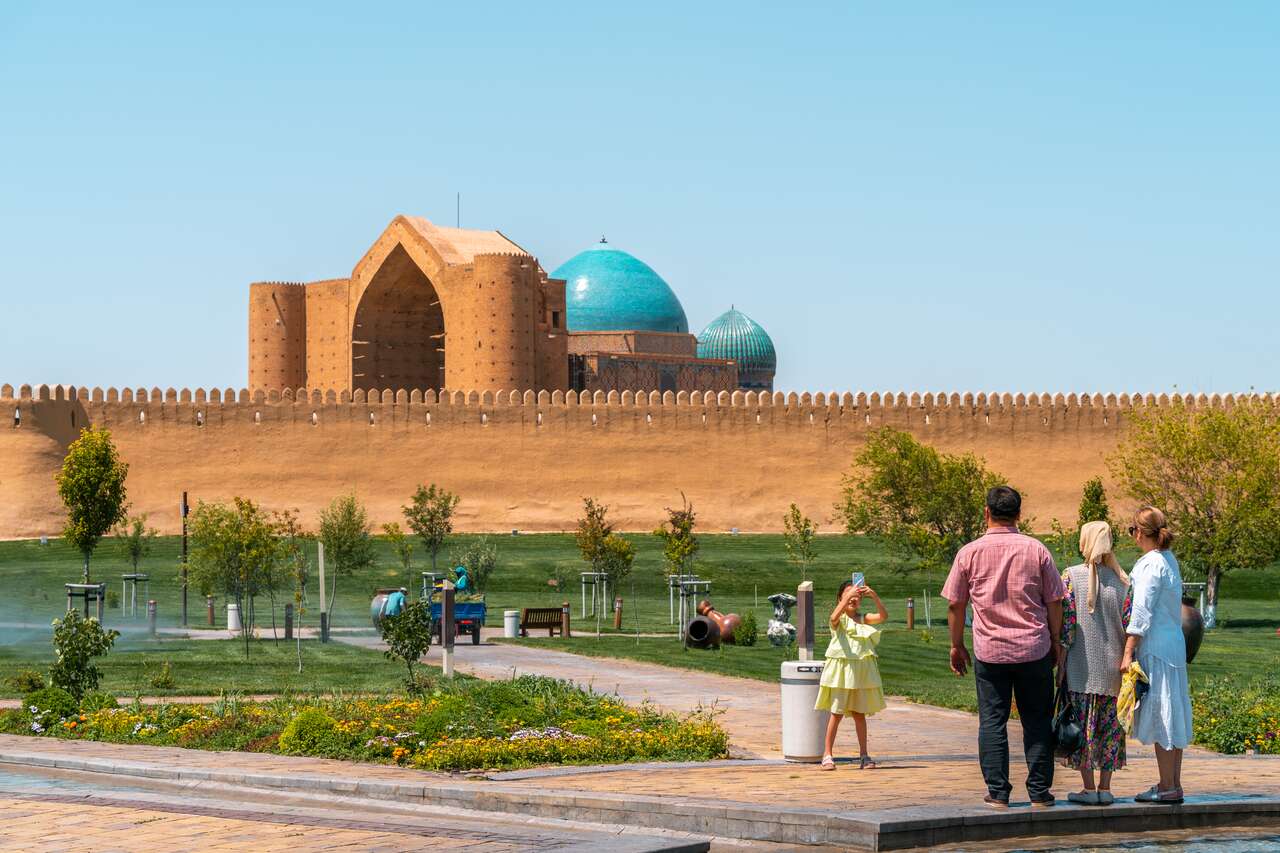
Mausoleum of Khoja Ahmed Yasawi

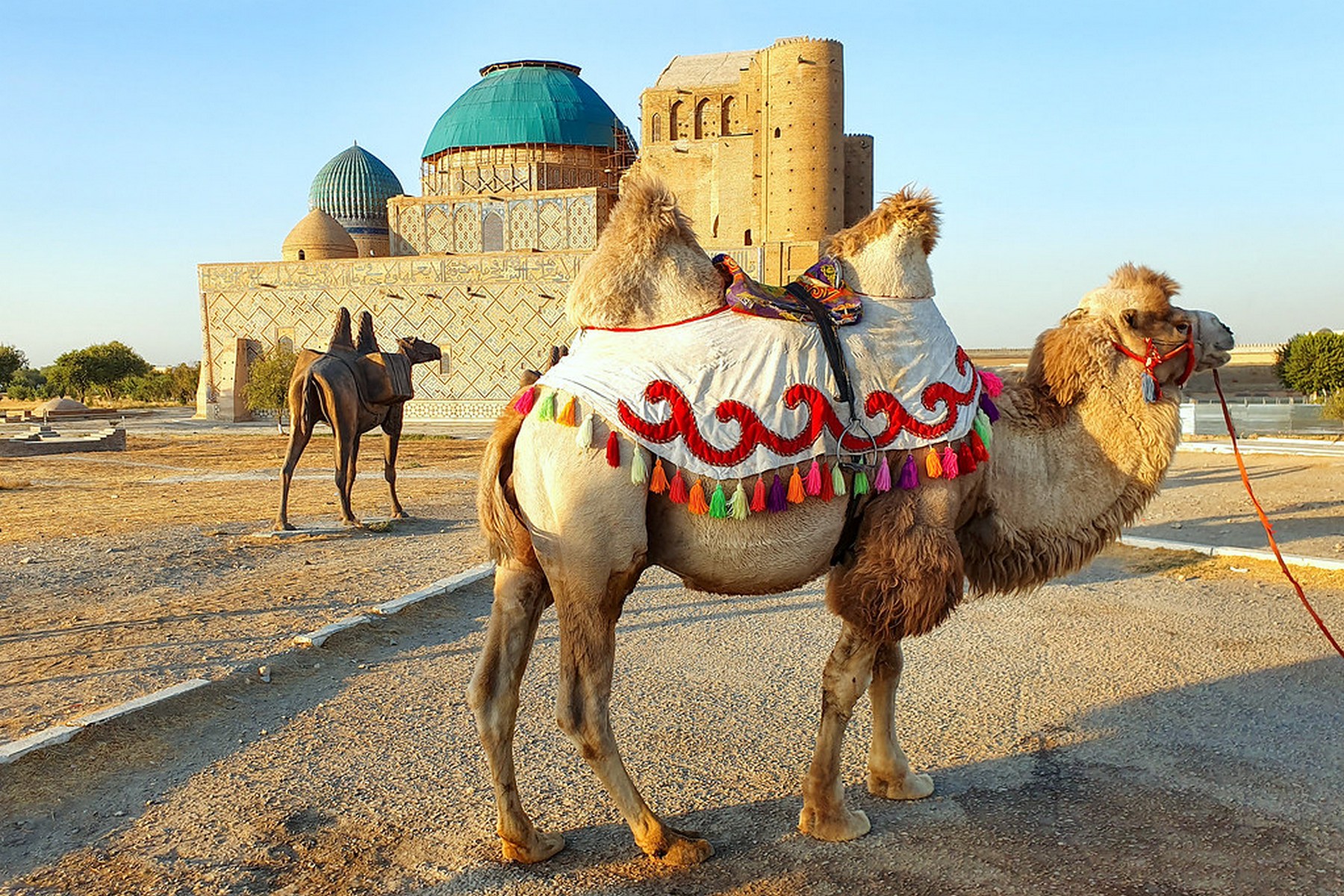
The Mausoleum of Khoja Ahmed Yasawi is a UNESCO World Heritage Site and the focal point of Turkestan visits.
Architectural Features
- Massive brick portal (pishtaq)
- Turquoise tiled dome
- Intricate geometric ornamentation
- Central hall with bronze cauldron (kazan)
Visitor Considerations
Modest clothing is recommended. Photography may be restricted in certain interior spaces.
Modern Development of Turkestan
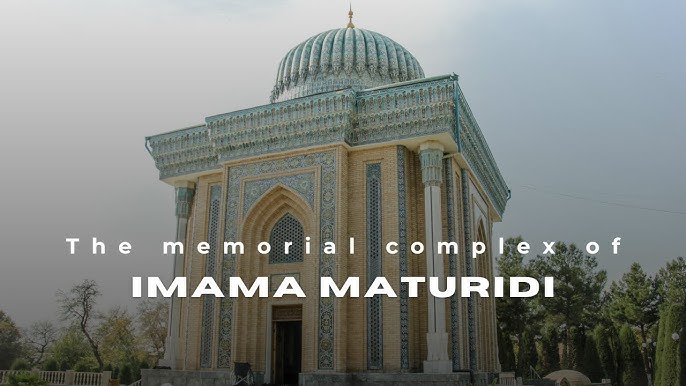
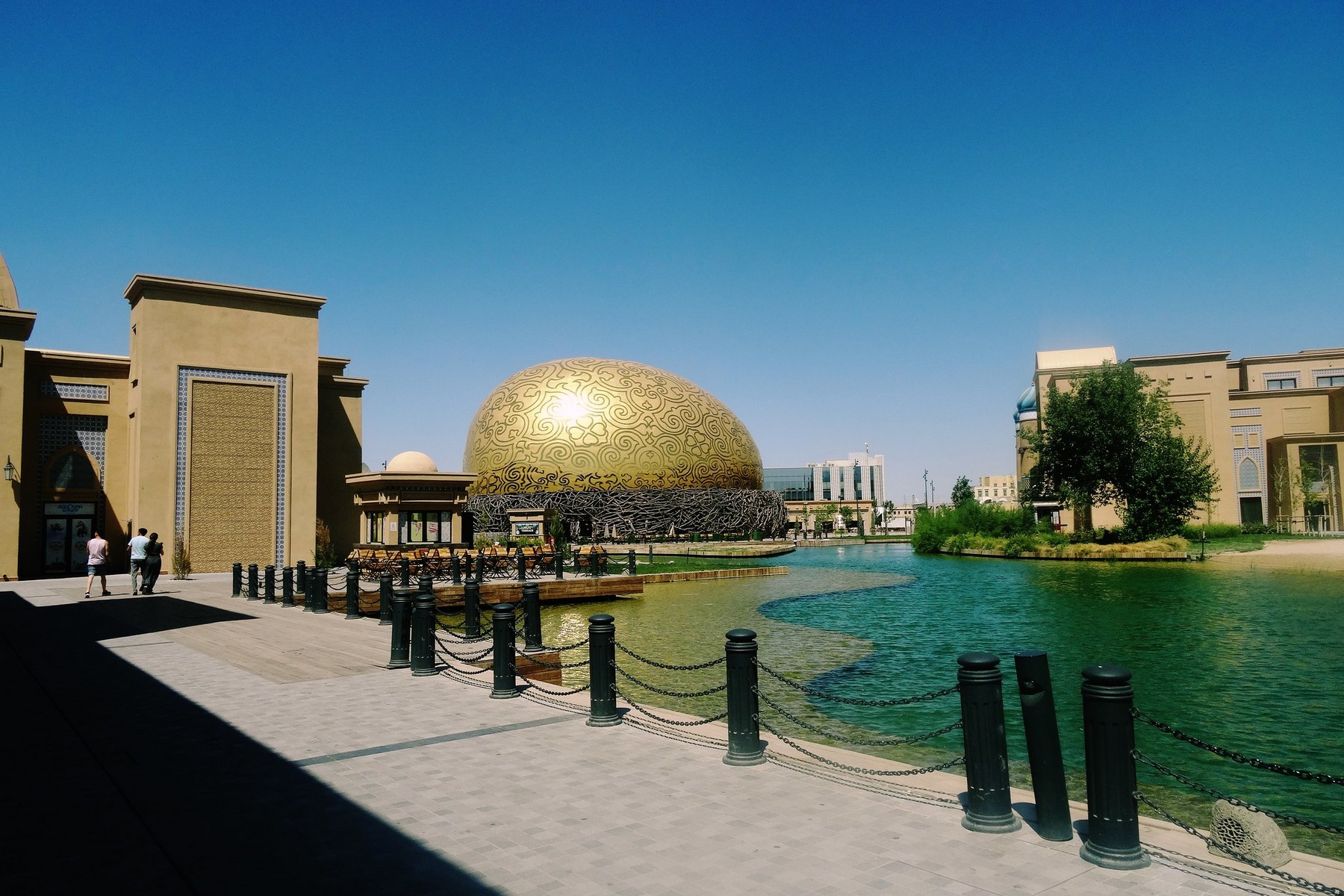
In recent years, Turkestan has undergone significant urban redevelopment.
Cultural-Ethnographic Complex
New museums and landscaped plazas have expanded visitor infrastructure around the mausoleum.
Improved Accessibility
Upgraded roads and airport facilities have made Turkestan more accessible for structured tours.
Southern cultural routes can be integrated via Kazakhstan tours.
How to Reach Turkestan
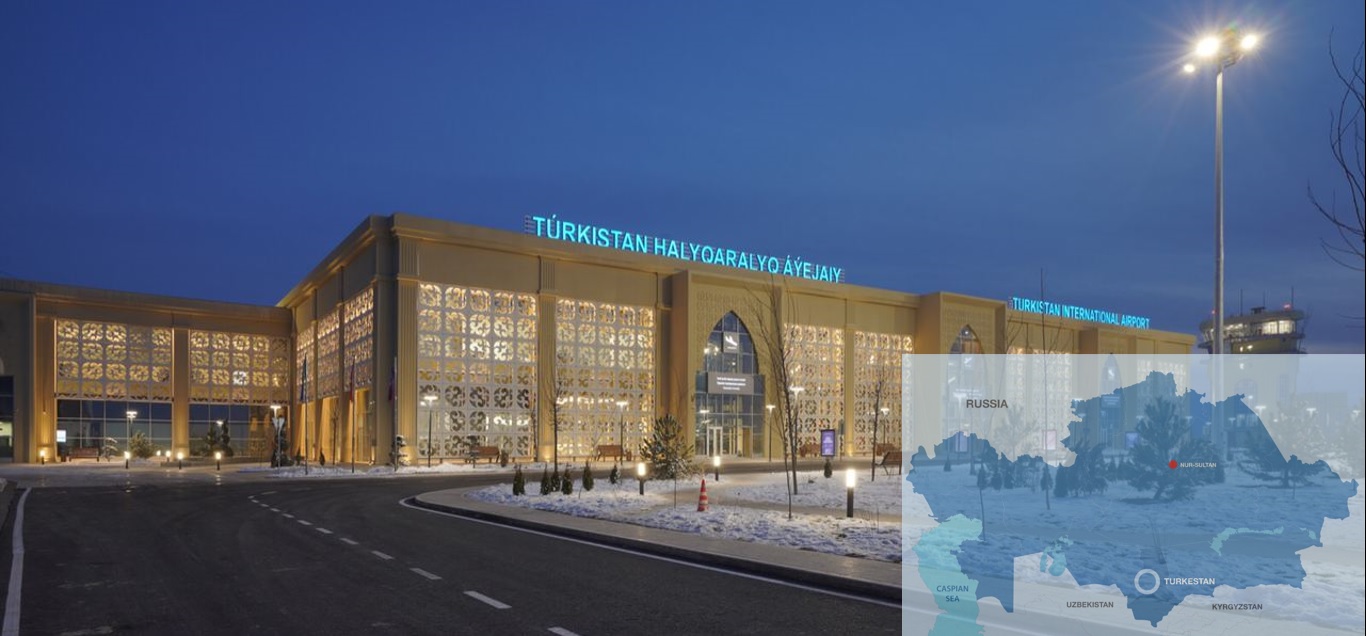
By Air
Turkestan International Airport connects with Almaty and Astana.
By Road
- From Shymkent: ~160 km (2–2.5 hours)
- From Tashkent (Uzbekistan): cross-border route via Shymkent
By Train
Rail connections link Turkestan with major cities in Kazakhstan.
How Long to Spend in Turkestan
Half Day
Focused exploration of the mausoleum and surrounding plaza.
1 Full Day
Mausoleum + new museum complex + short city orientation.
2 Days
Deeper exploration and combination with nearby archaeological sites.
Turkestan is compact and does not require extended stays unless part of a larger southern circuit.
Combining Turkestan with Other Destinations
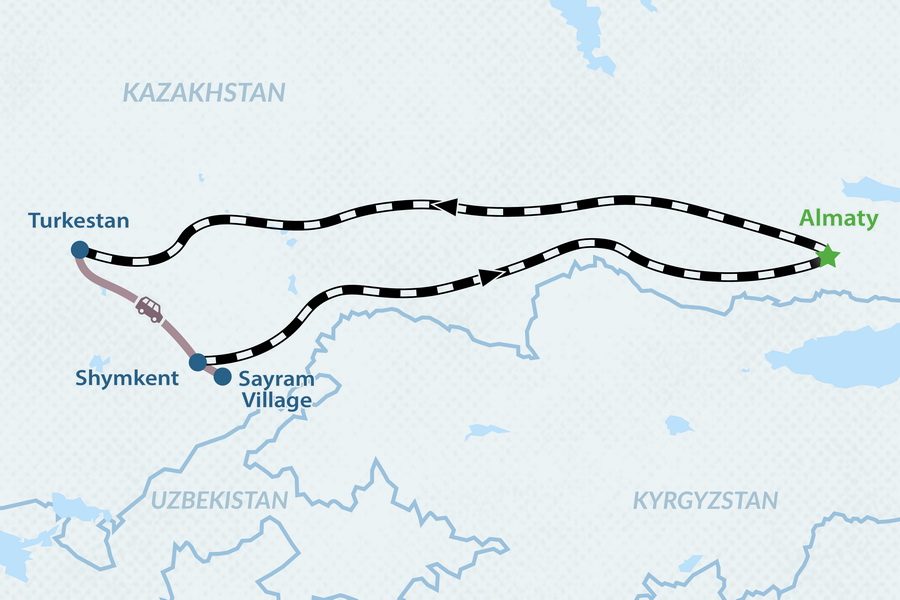
Turkestan + Shymkent
Urban contrast and additional historical context.
Turkestan + Uzbekistan
Logical extension toward Tashkent or Samarkand for Silk Road continuity.
Turkestan + Almaty
Combining cultural south with mountain landscapes via domestic flight.
Structured multi-region routes are available through Kazakhstan tours.
Best Time to Visit Turkestan
March–May
Mild temperatures and comfortable walking conditions.
September–October
Reduced summer heat and stable weather.
Summer
High temperatures exceeding 35°C. Early morning visits recommended.
Accommodation in Turkestan
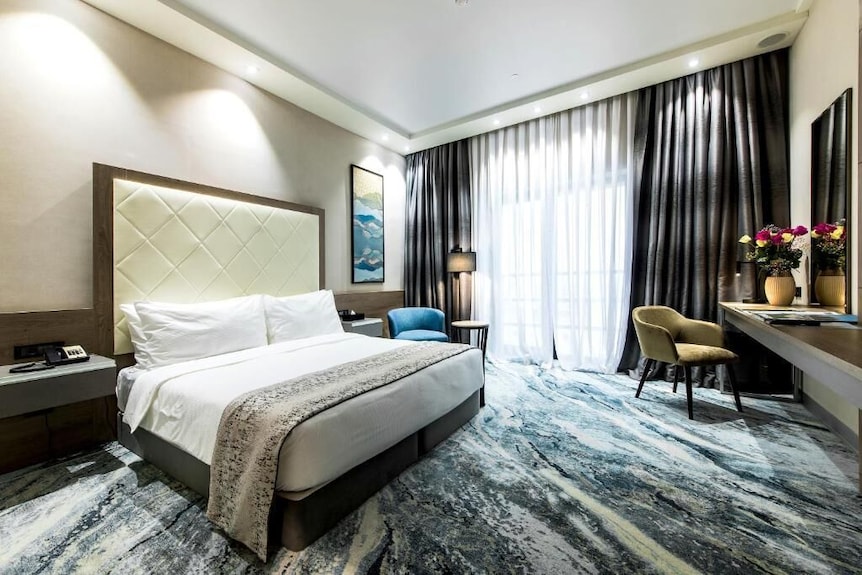
- Modern 3–4 star hotels
- Newly developed properties near mausoleum complex
- Limited high-end luxury inventory
Most premium travelers combine Turkestan with higher-end city stays in Almaty.
Common Planning Mistakes
Underestimating Heat
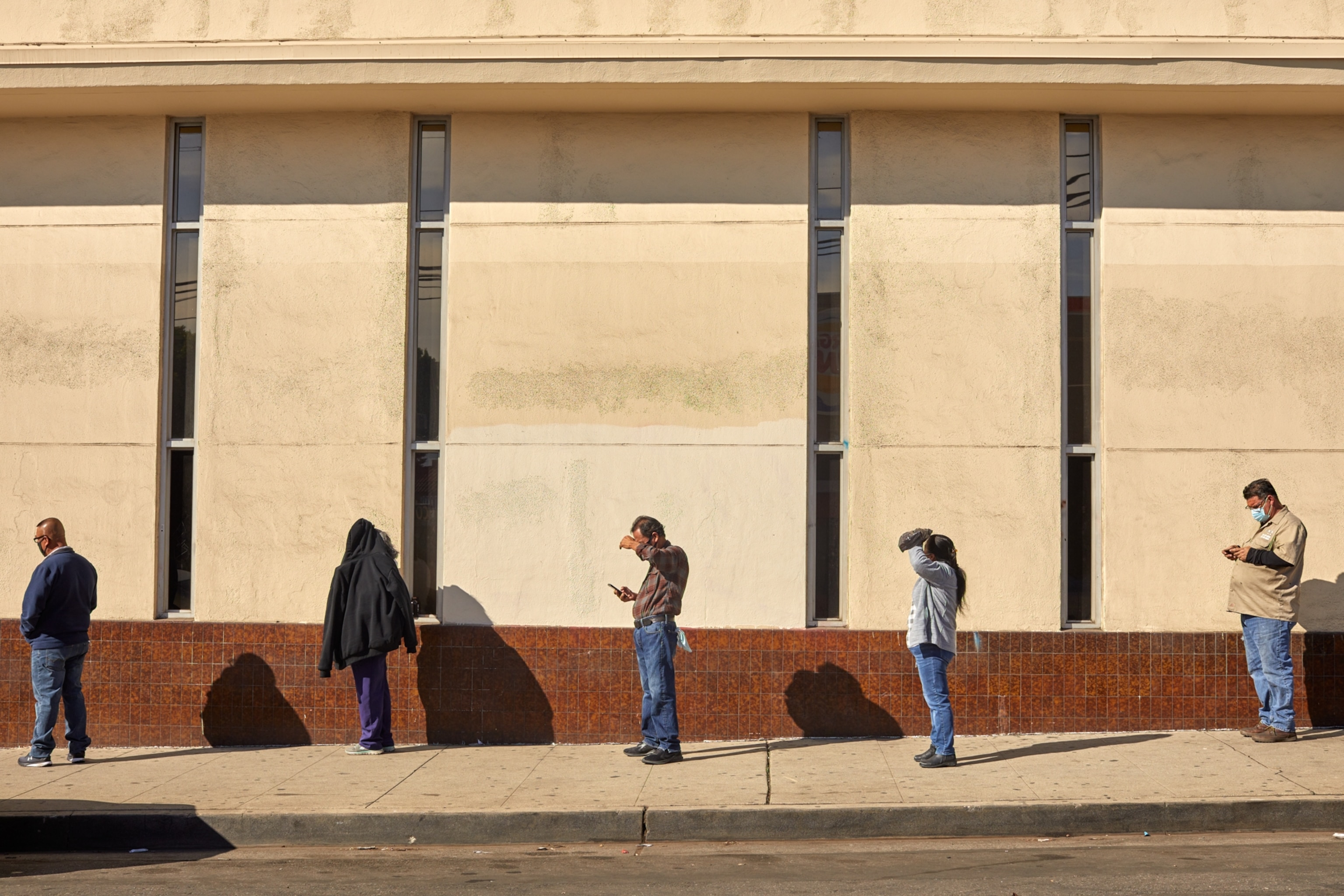
Summer sun exposure can be intense due to open plazas.
Overallocating Time
The main historical complex can be covered efficiently within one day.
Skipping Context
Visiting without understanding Yasawi’s historical significance reduces interpretive value.
Who Should Prioritize Turkestan?
- Cultural and religious heritage travelers
- Silk Road enthusiasts
- Visitors combining Kazakhstan with Uzbekistan
- Travelers seeking UNESCO-listed landmarks
Frequently Asked Questions About Turkestan
Is Turkestan worth visiting?
Yes, particularly for those interested in Islamic architecture and Central Asian history.
Is the mausoleum a functioning religious site?
Yes. It remains an active pilgrimage destination.
Can Turkestan be visited as a day trip?
Yes, from Shymkent. From Almaty, a flight is recommended.
Is English widely spoken?
Limited outside hotels and tour services.
Positioning Turkestan Within Kazakhstan Travel

Turkestan provides historical depth to Kazakhstan itineraries otherwise focused on natural landscapes. As a spiritual and architectural anchor in the south, it complements alpine and desert regions with cultural context.
To integrate Turkestan into a structured private journey, explore Kazakhstan tours for coordinated multi-region planning.
Turkestan offers historical gravity within Kazakhstan’s modern trajectory.Get a consultation from our travel specialist
We will answer all your questions about traveling in Kazakhstan and Central Asia for free. We will help you create the best itinerary based on your time, interests, and budget.
Get a consultation
Related Articles
Travel editor and local contributor.
Comments are moderated according to site rules. Only authorized users can write comments and save posts.
Loading comments...