Kazakh Culture Guide: Traditions, Nomadic Heritage and Modern Identity
Explore Kazakh culture including nomadic heritage, yurt traditions, cuisine, music, and modern identity in Kazakhstan.




Kazakh Culture: Nomadic Heritage, Traditions, and Modern Identity
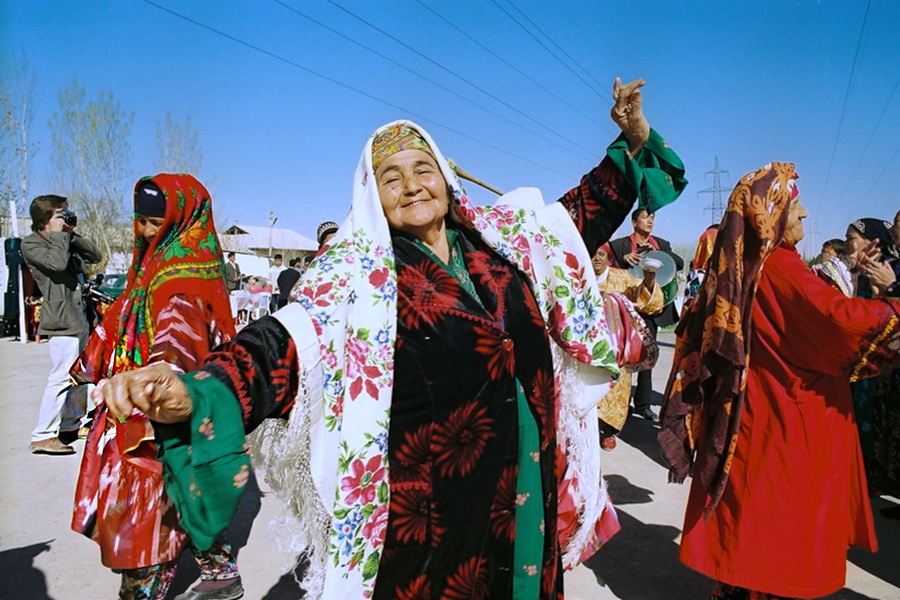
Kazakh culture is rooted in centuries of nomadic civilization shaped by the vast Eurasian steppe. Horses, hospitality, oral epics, and clan-based social structures formed the foundation of identity long before modern statehood emerged. Today, Kazakh culture blends nomadic traditions with Soviet legacy and contemporary global influences, creating a society that is both historically grounded and rapidly modernizing.
Understanding Kazakh culture is essential for travelers seeking more than landscapes. Beyond mountains and deserts, Kazakhstan offers living traditions — from eagle hunting and yurt construction to modern urban expression in Almaty and Astana.
Nomadic Foundations of Kazakh Culture
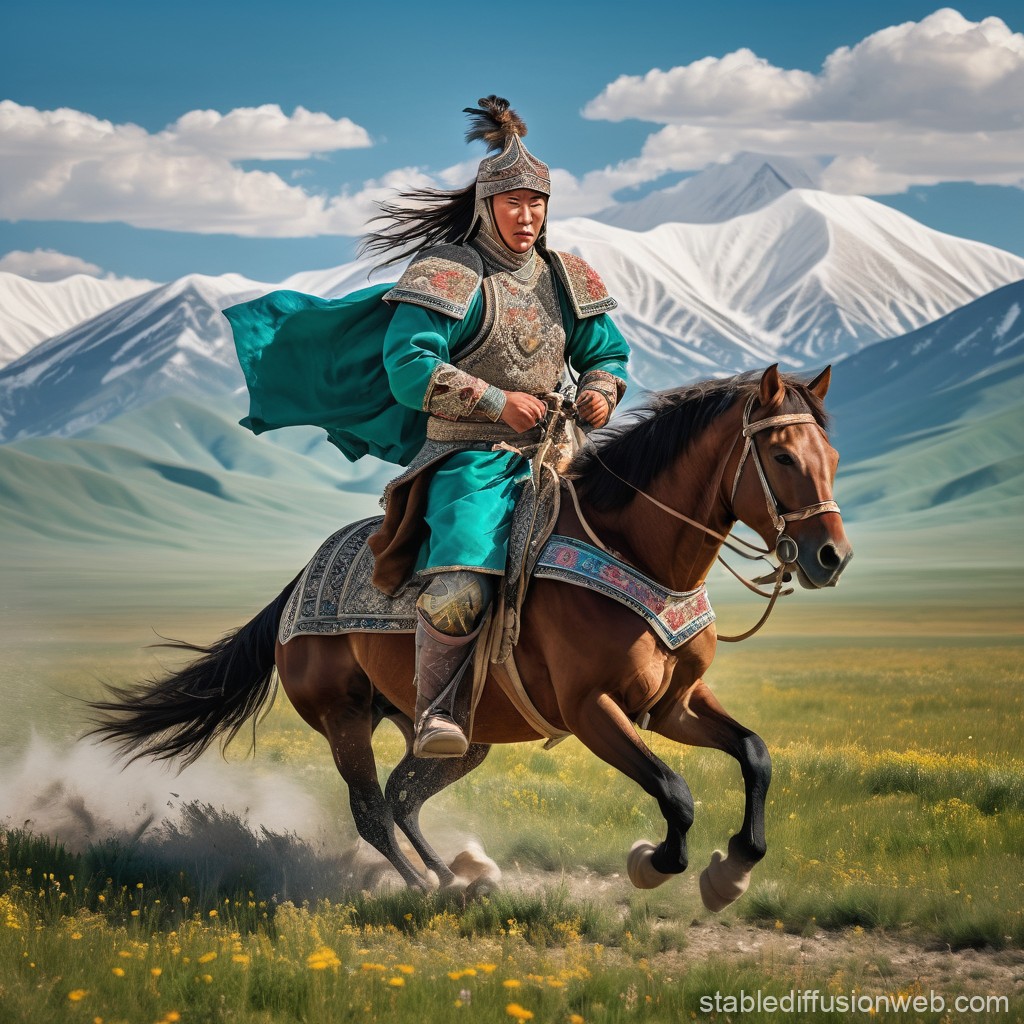
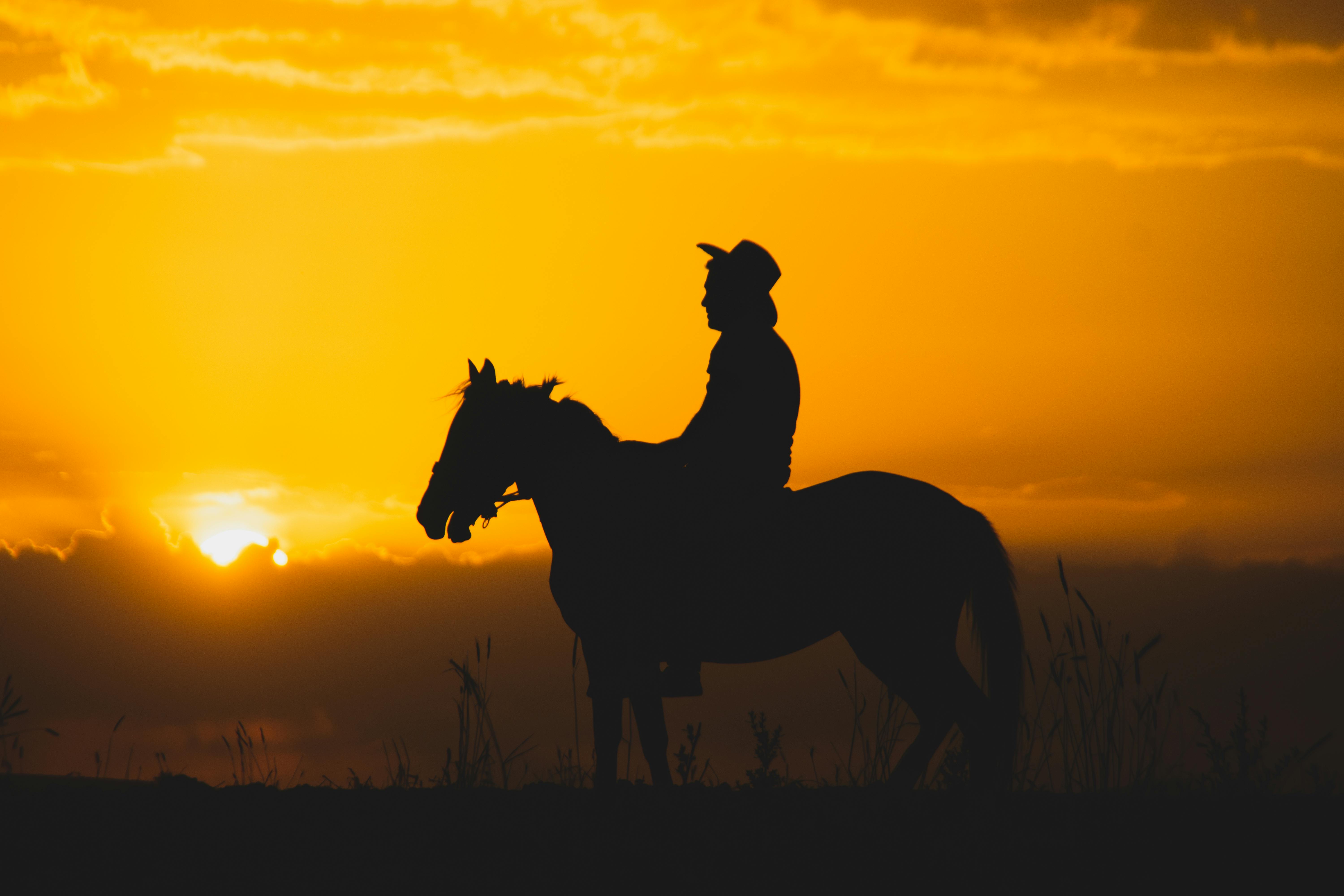
For centuries, Kazakh tribes migrated seasonally across the steppe.
- Livelihood centered on livestock herding
- Horse mastery defined mobility and status
- Portable dwellings (yurts) supported migration
Nomadism required resilience, navigation skills, and strong kinship networks — values still reflected in modern social norms.
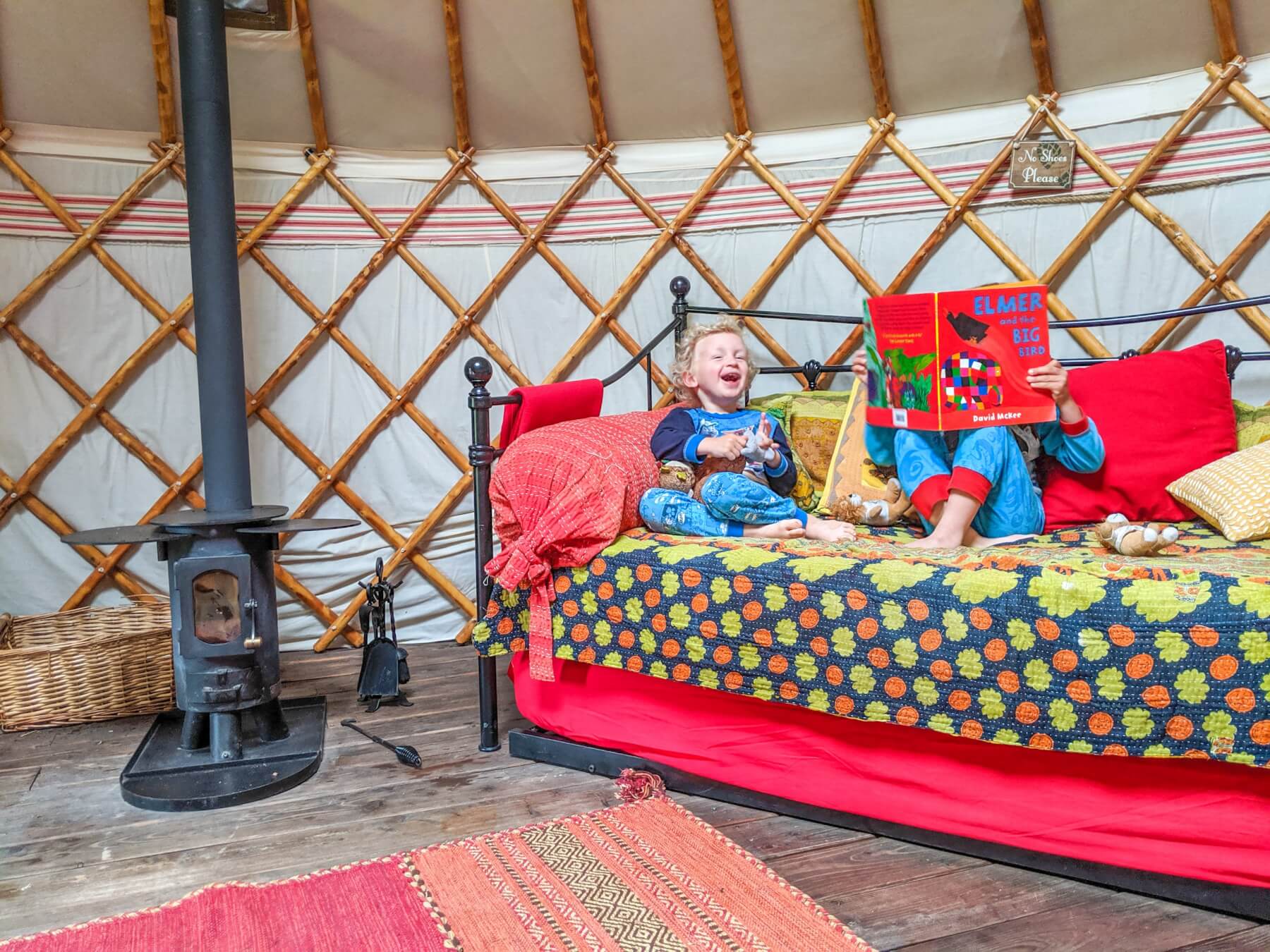
The Yurt: Portable Architecture of the Steppe
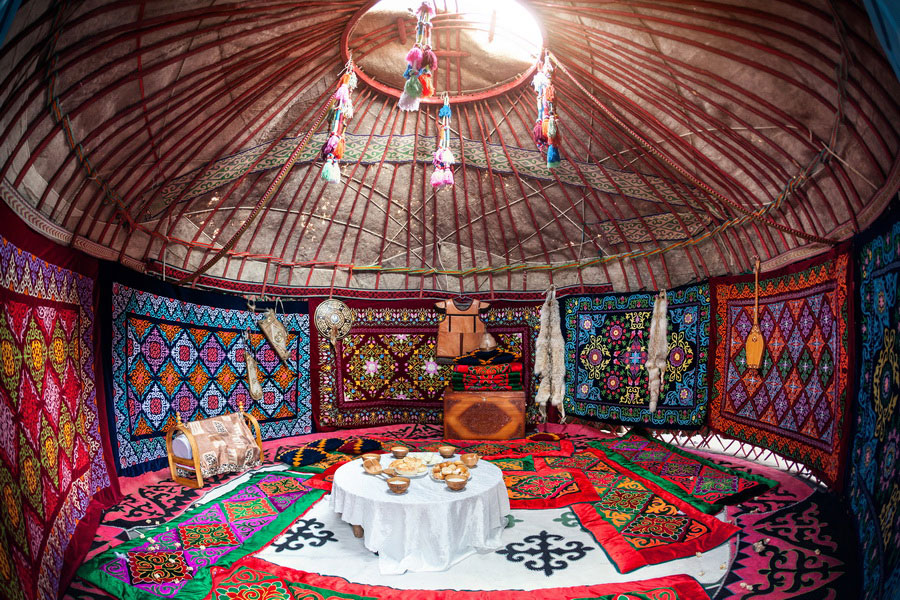
The yurt remains one of the strongest symbols of Kazakh culture.
Structure
- Wooden circular frame
- Felt insulation layers
- Central opening (shanyrak)
The shanyrak appears on Kazakhstan’s national emblem, symbolizing home and continuity.
Hospitality and Social Customs
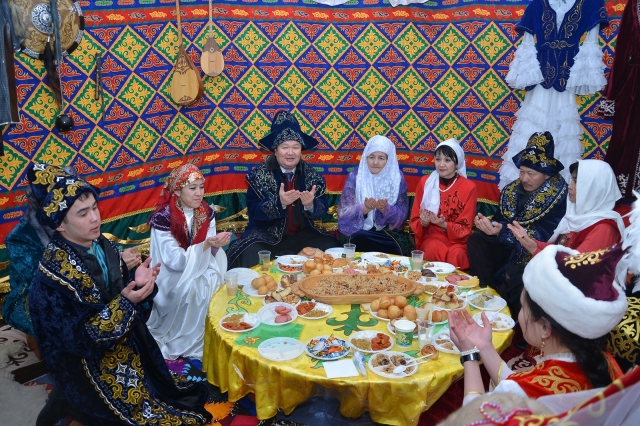
Hospitality is a defining feature of Kazakh culture.
- Guests are honored with the best available food
- Tea rituals accompany most gatherings
- Refusing food can be considered impolite
Respect for elders remains central in family and social hierarchy.
Traditional Cuisine
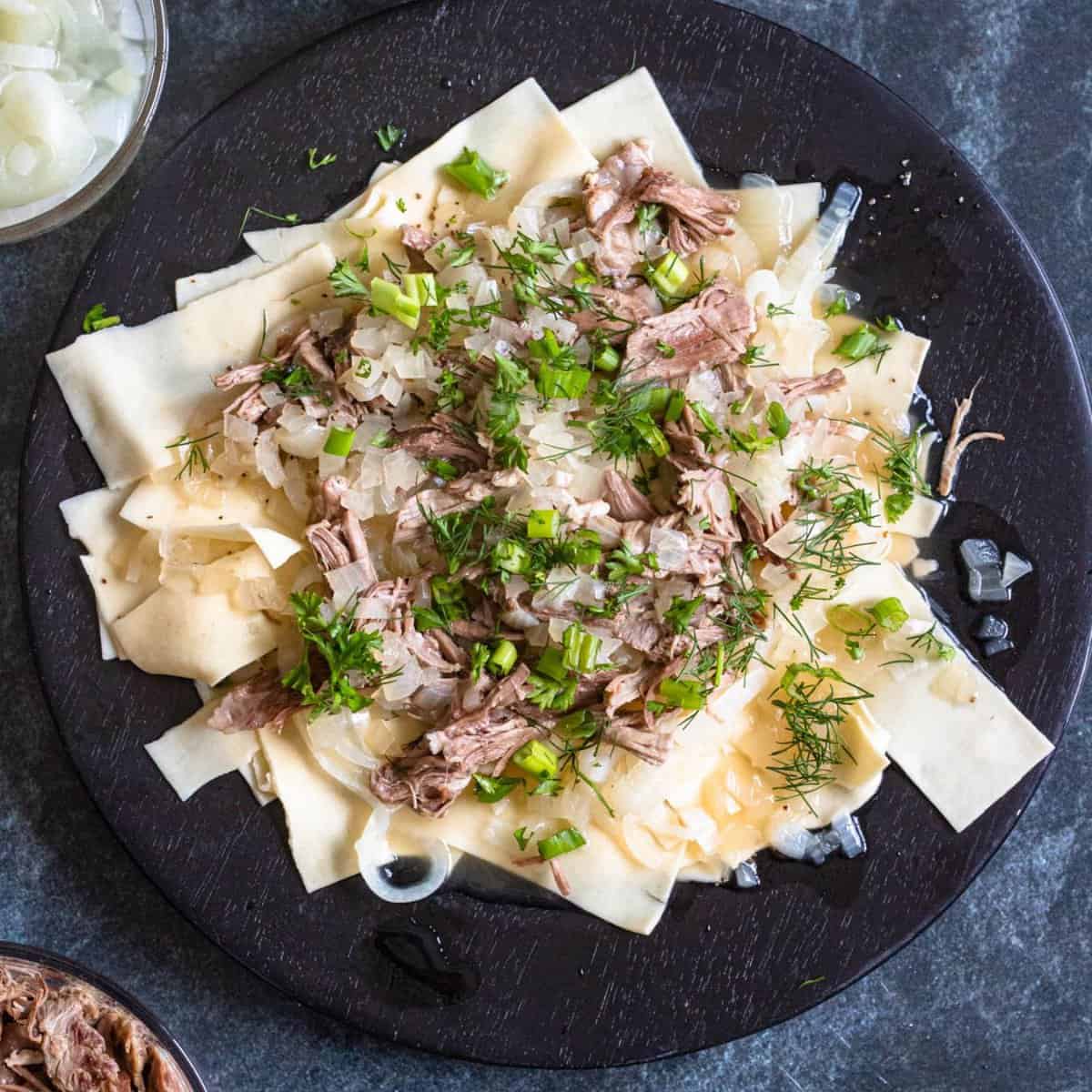
Beshbarmak
Boiled meat served over flat noodles — national dish.
Kazy
Horse meat sausage, traditionally prepared for celebrations.
Kumis
Fermented mare’s milk consumed in rural regions.
Cuisine reflects pastoral origins and livestock-based economy.
Music and Oral Tradition
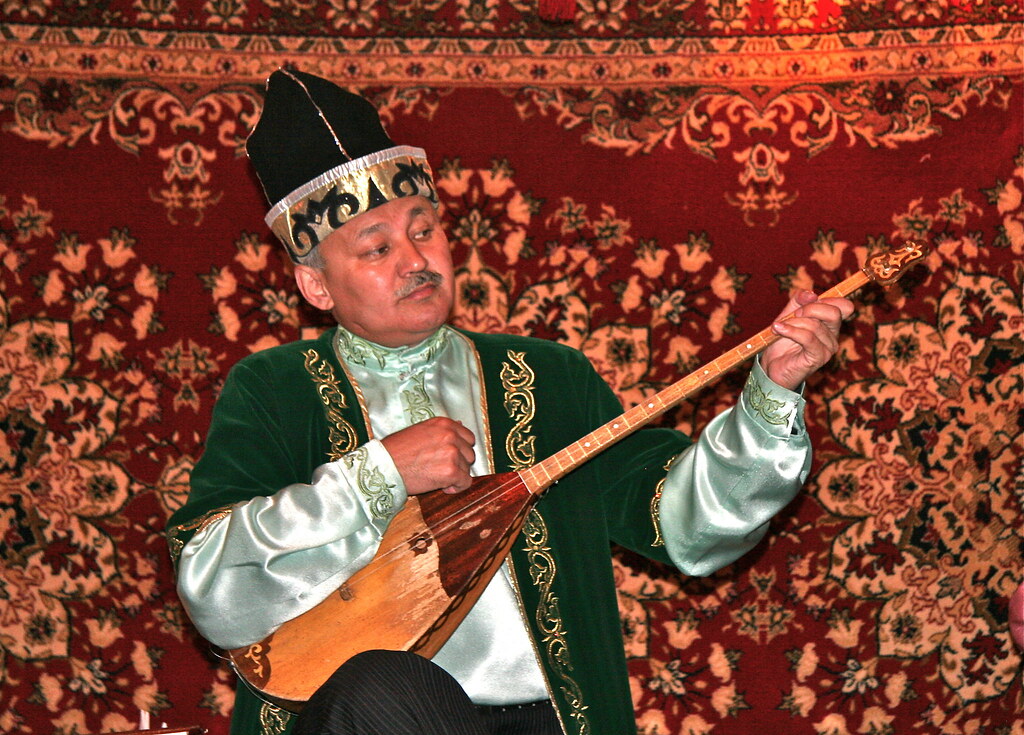
Dombra
Two-stringed instrument central to Kazakh folk music.
Epic Poetry
Oral storytelling preserved tribal history and heroic narratives.
Music continues to bridge traditional and contemporary expression.
Eagle Hunting and Steppe Sports
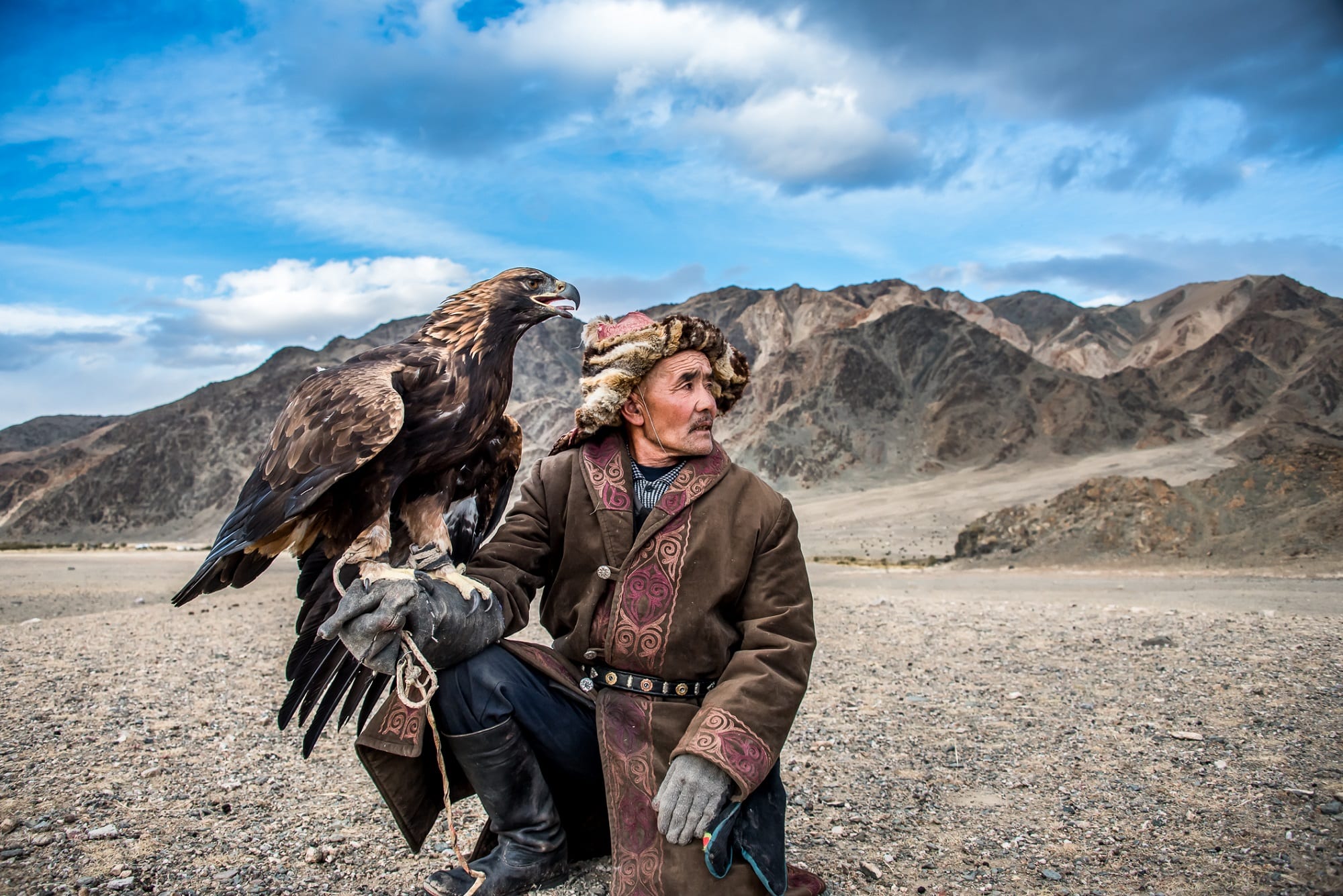
Golden eagle hunting remains practiced in parts of Kazakhstan.
Training Tradition
Knowledge passed through generations.
Modern Revival
Festivals and cultural events preserve the craft.
Traditional horse games also continue in rural communities.
Soviet Influence and Urban Modernization
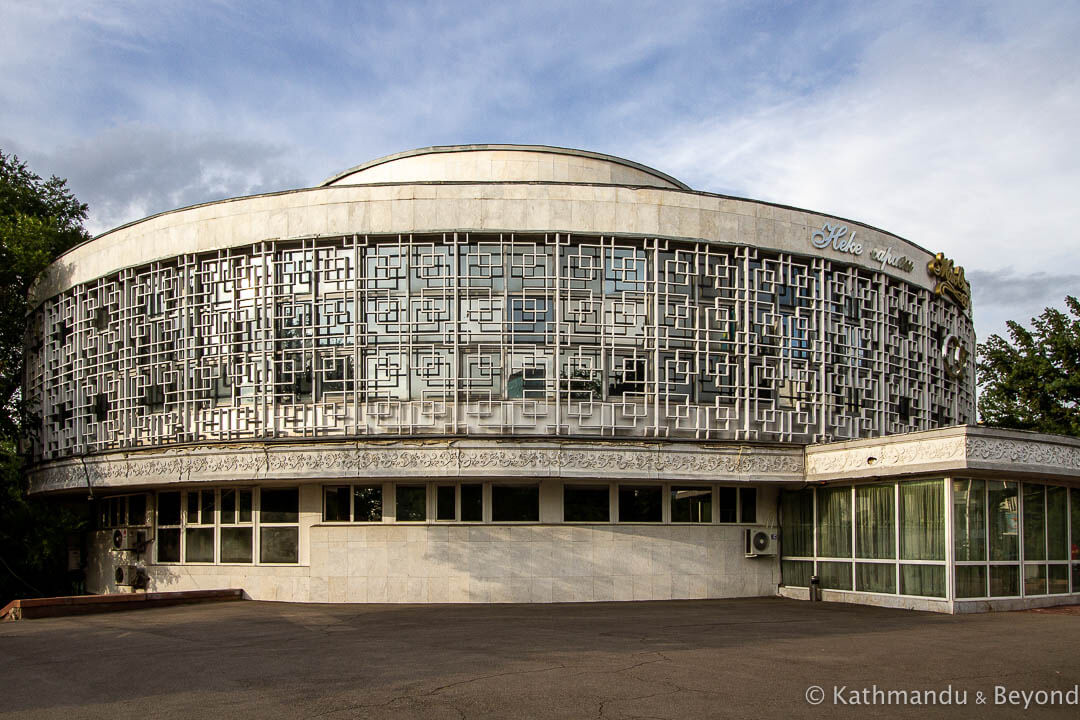
Kazakh culture evolved significantly during the Soviet period.
- Urbanization increased
- Russian language became widespread
- Industrial and educational infrastructure expanded
Today, Kazakhstan balances post-Soviet legacy with renewed national identity.
Language and Identity
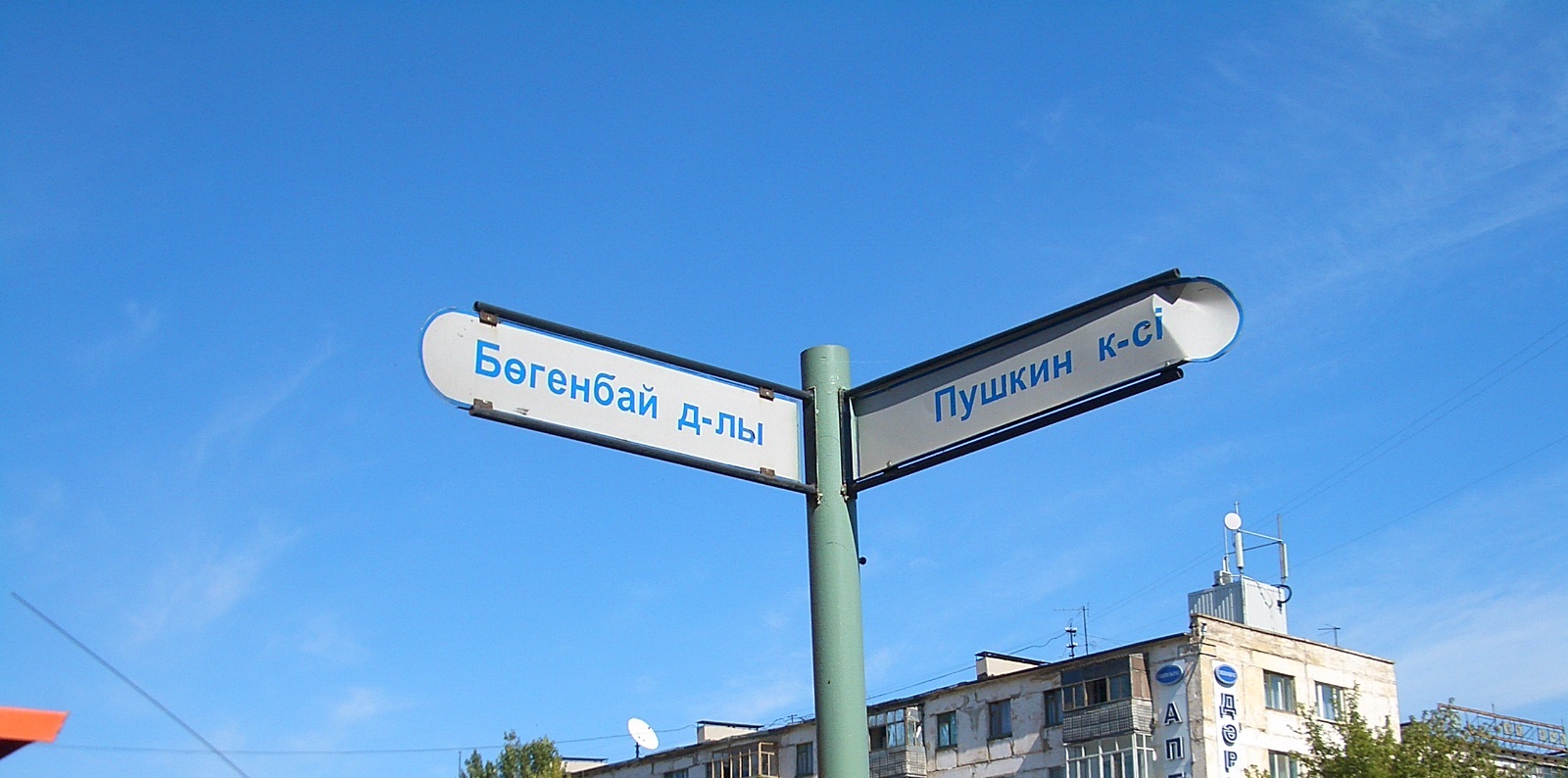
Kazakhstan is officially bilingual.
- Kazakh (state language)
- Russian (widely spoken)
In major cities, English is increasingly used in tourism and business sectors.
Modern Kazakh Culture Today
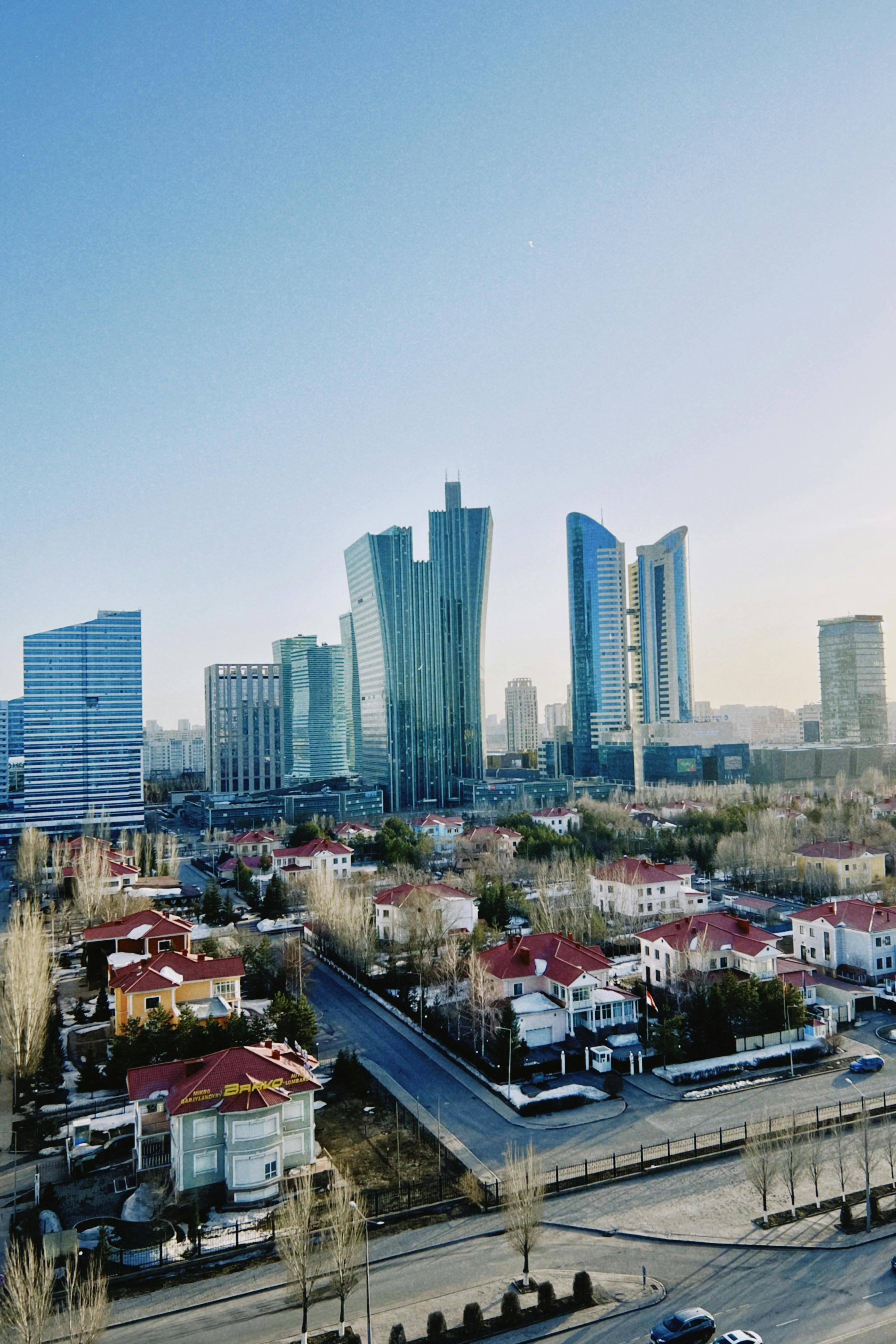
Modern Kazakh culture reflects:
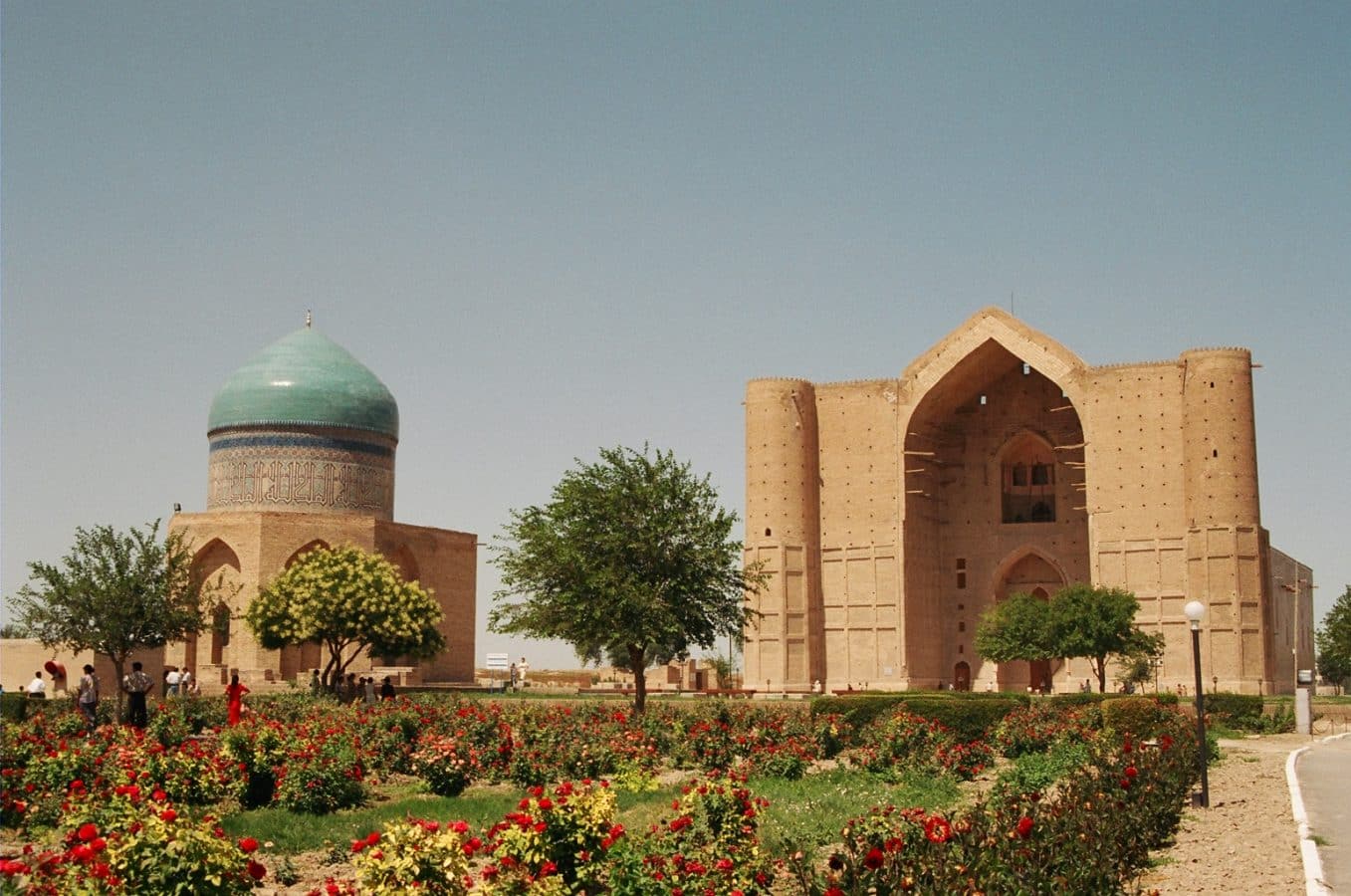
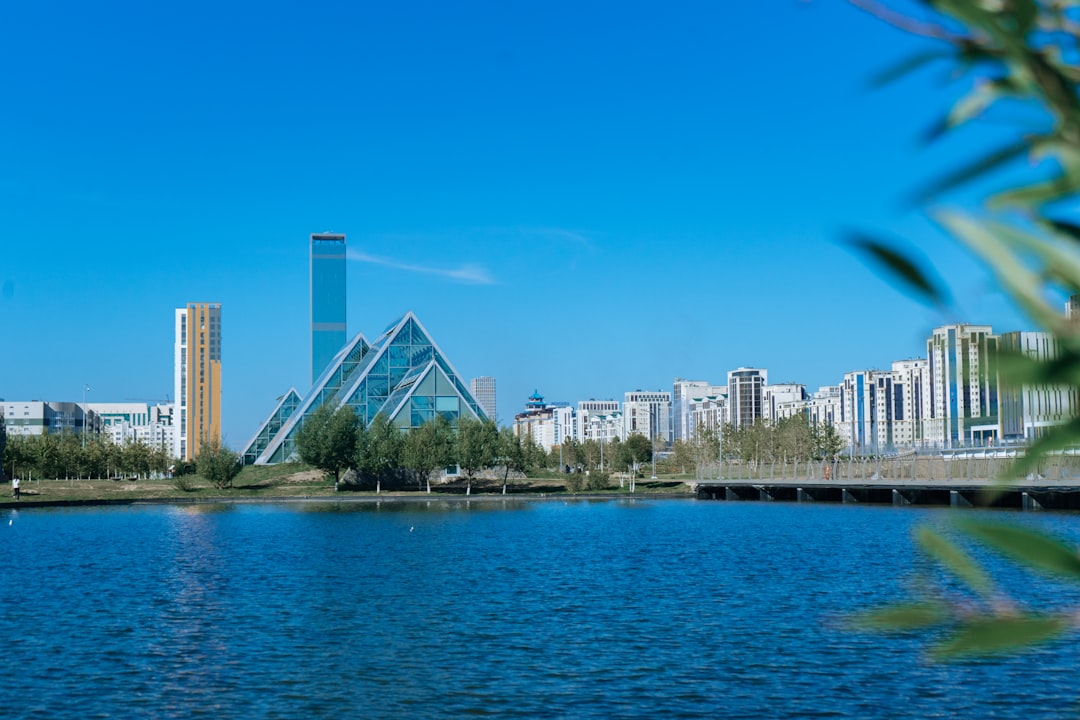
- Architectural ambition in Astana
- Café and creative scene in Almaty
- Revival of traditional dress and festivals
Cultural identity today integrates nomadic symbolism with contemporary design and global connectivity.
Experiencing Kazakh Culture as a Traveler
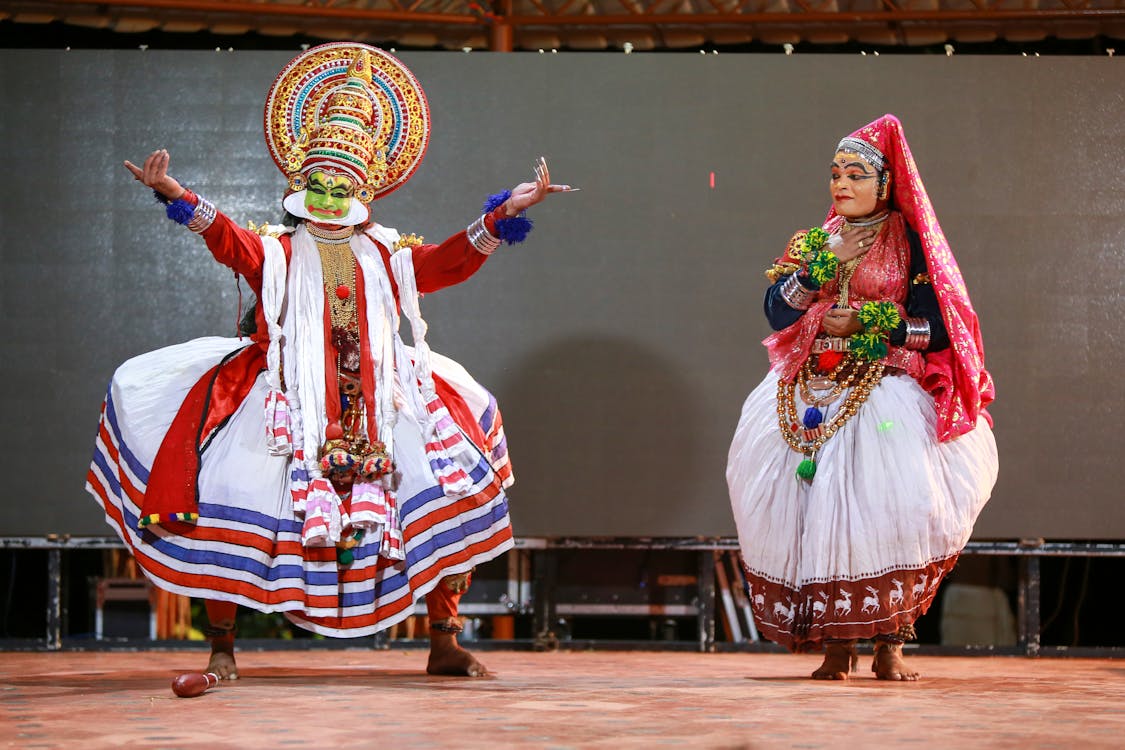
- Visit local markets
- Attend traditional music performances
- Stay in rural guesthouses
- Participate in cultural festivals
Structured cultural programs are often integrated into Kazakhstan tours, combining landscape exploration with heritage experiences.
FAQ: Kazakh Culture
Is Kazakh culture nomadic today?
Modern Kazakhstan is largely urban, but nomadic traditions remain symbolic and culturally influential.
What religion is dominant?
Islam is the majority religion, alongside Orthodox Christianity.
Is hospitality important?
Yes — it remains a cornerstone of social interaction.
Are traditions visible in cities?
Yes, especially during national holidays and cultural festivals.
Strategic Conclusion
Kazakh culture is defined by adaptation — from nomadic survival across open steppe to modern urban transformation. Its identity is not confined to museums or performances; it lives in hospitality, cuisine, music, and evolving architecture.
For travelers willing to look beyond landscapes, Kazakhstan offers a cultural narrative shaped by movement, resilience, and continuity.
To understand Kazakhstan fully, you must understand its steppe-born culture.Get a consultation from our travel specialist
We will answer all your questions about traveling in Kazakhstan and Central Asia for free. We will help you create the best itinerary based on your time, interests, and budget.
Get a consultation
Related Articles
Travel editor and local contributor.
Comments are moderated according to site rules. Only authorized users can write comments and save posts.
Loading comments...