Shymkent: Southern Kazakhstan’s Gateway City
Strategic guide to Shymkent covering logistics, connections to Turkestan and Uzbekistan, seasonal planning, and role in southern Kazakhstan tours.
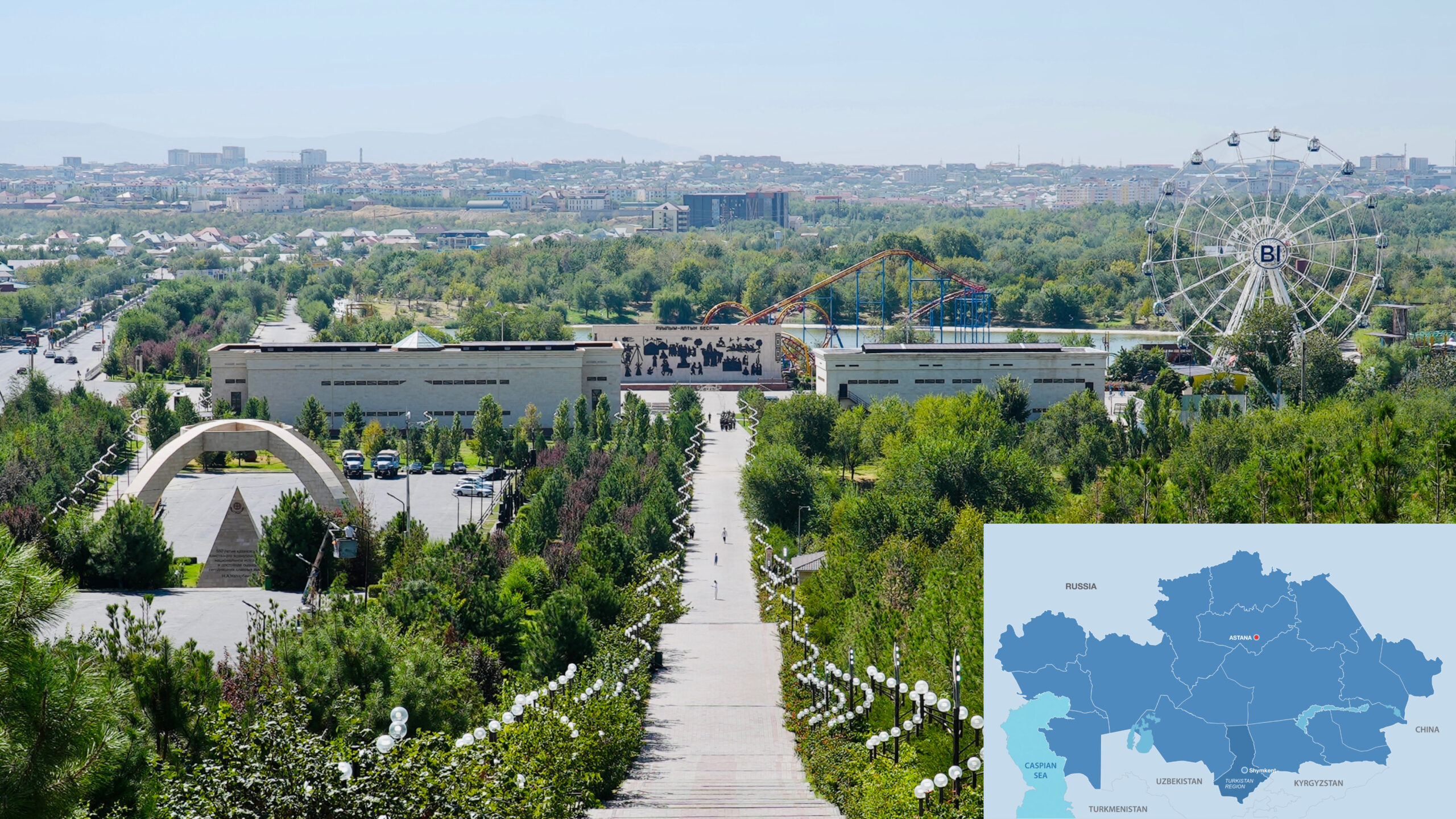





Shymkent: Gateway to Southern Kazakhstan and the Silk Road Corridor
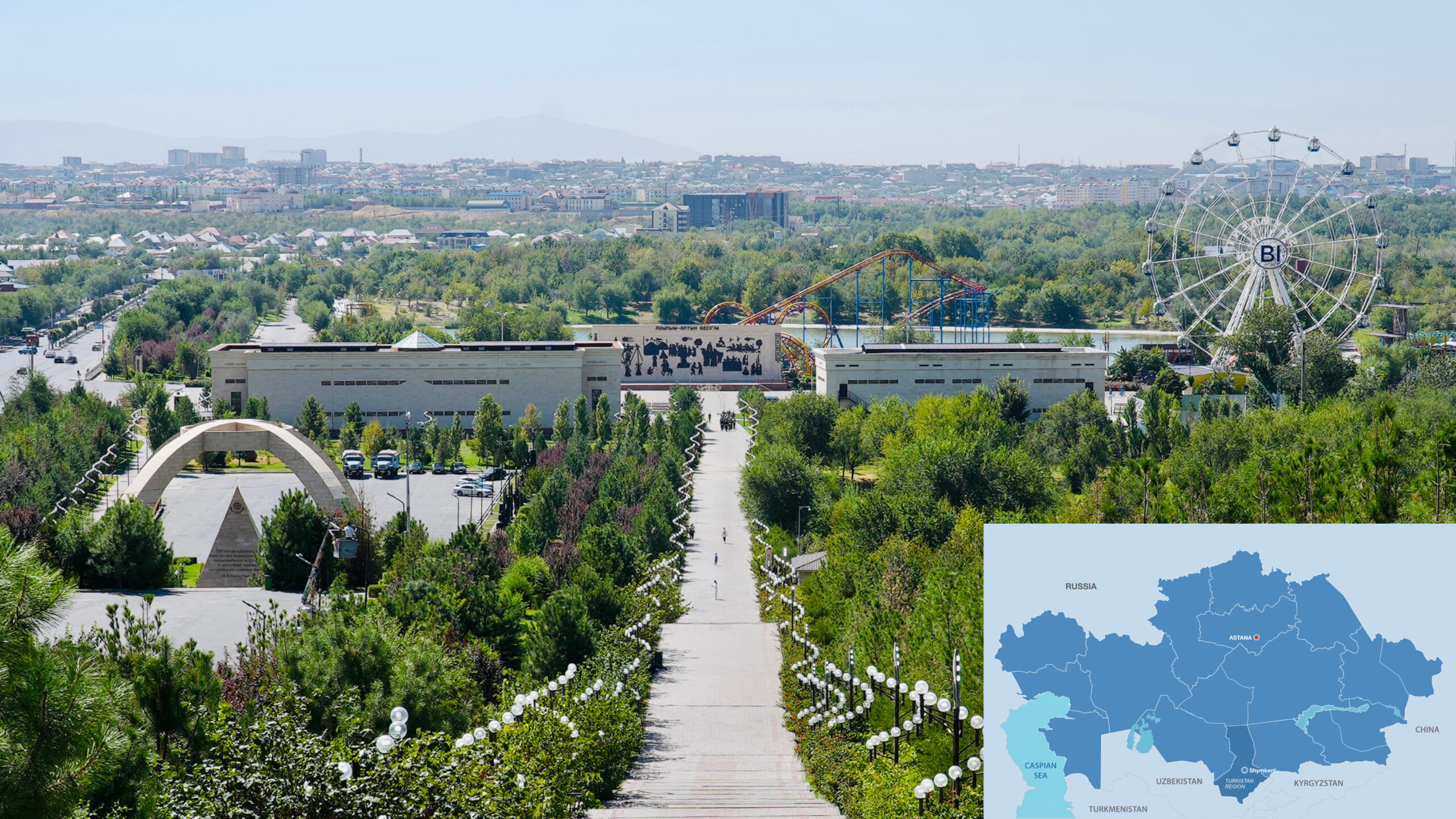
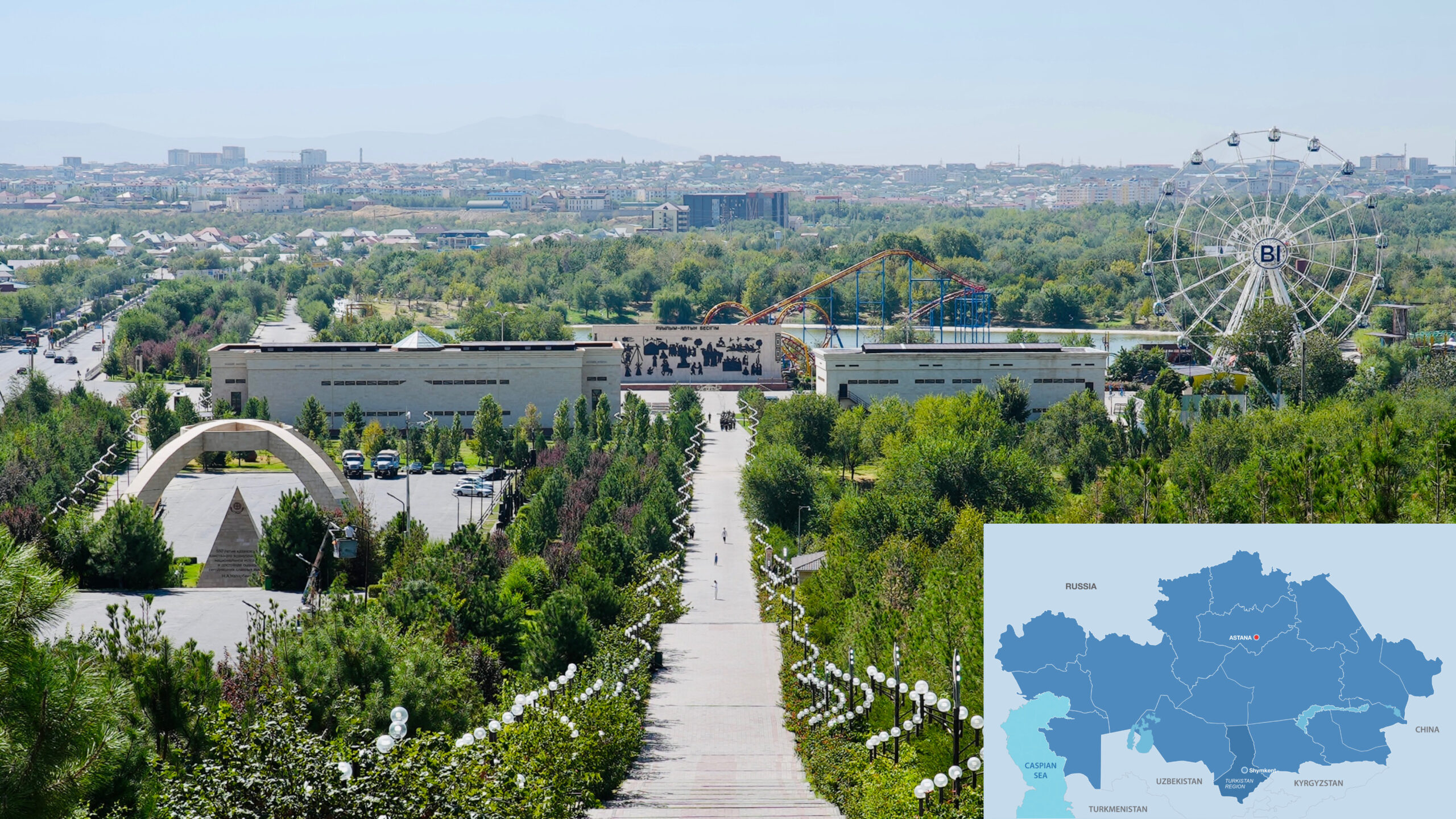
Shymkent is Kazakhstan’s third-largest city and the strategic gateway to the country’s southern cultural corridor. Positioned near the Uzbek border and approximately 160 kilometers from Turkestan, Shymkent plays a logistical and economic role that often surpasses its touristic reputation. For travelers structuring routes across southern Kazakhstan — or connecting Kazakhstan with Uzbekistan — Shymkent functions as a practical transit hub with its own urban character.
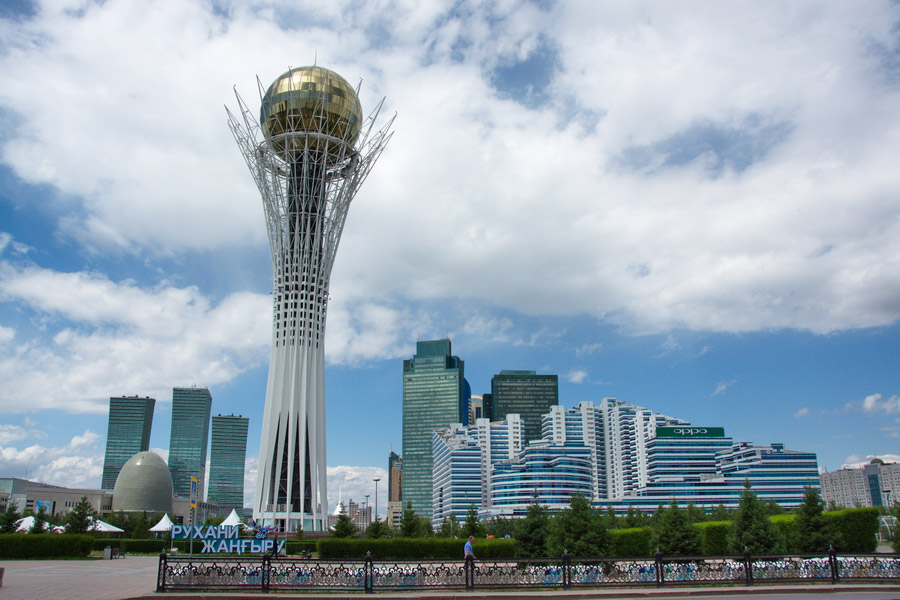
Unlike Astana’s futuristic symbolism or Almaty’s mountain backdrop, Shymkent reflects a warmer climate, denser bazaars, and a Central Asian atmosphere shaped by trade routes and cross-border movement. This guide outlines how to approach Shymkent strategically, what to expect, and how to integrate it into broader Kazakhstan tours.
Why Shymkent Matters in Southern Kazakhstan
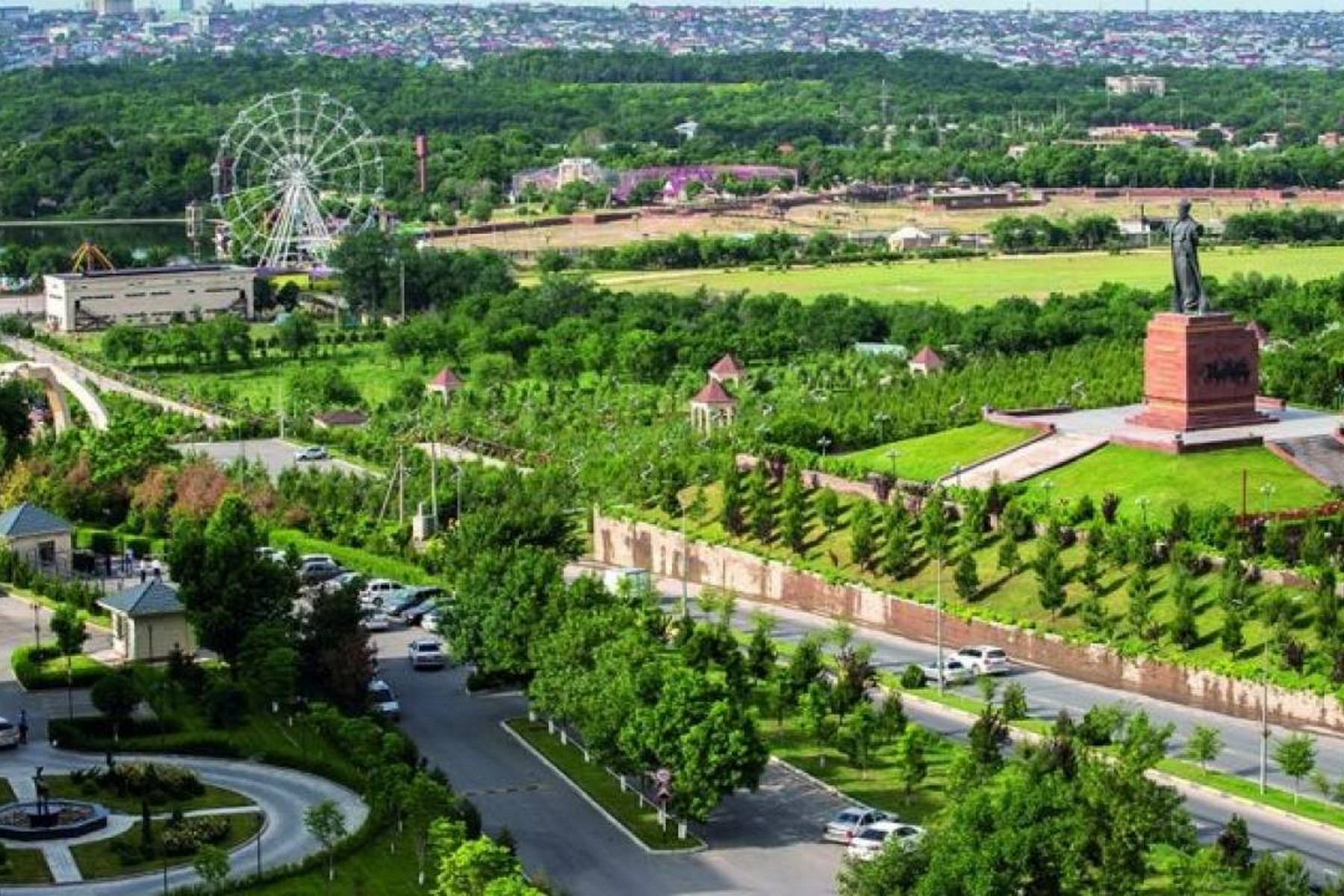
Shymkent’s importance lies less in monumental landmarks and more in regional positioning.
Transport Hub
-
International airport with domestic and limited regional connections
-
Rail links to Almaty, Astana, and Turkestan
-
Road access to Tashkent (Uzbekistan)
Economic Center
As a commercial city, Shymkent supports trade networks connecting Kazakhstan and Uzbekistan.
Climate Profile
Warmer and drier than northern regions, with long summers and mild winters.
Urban Highlights in Shymkent
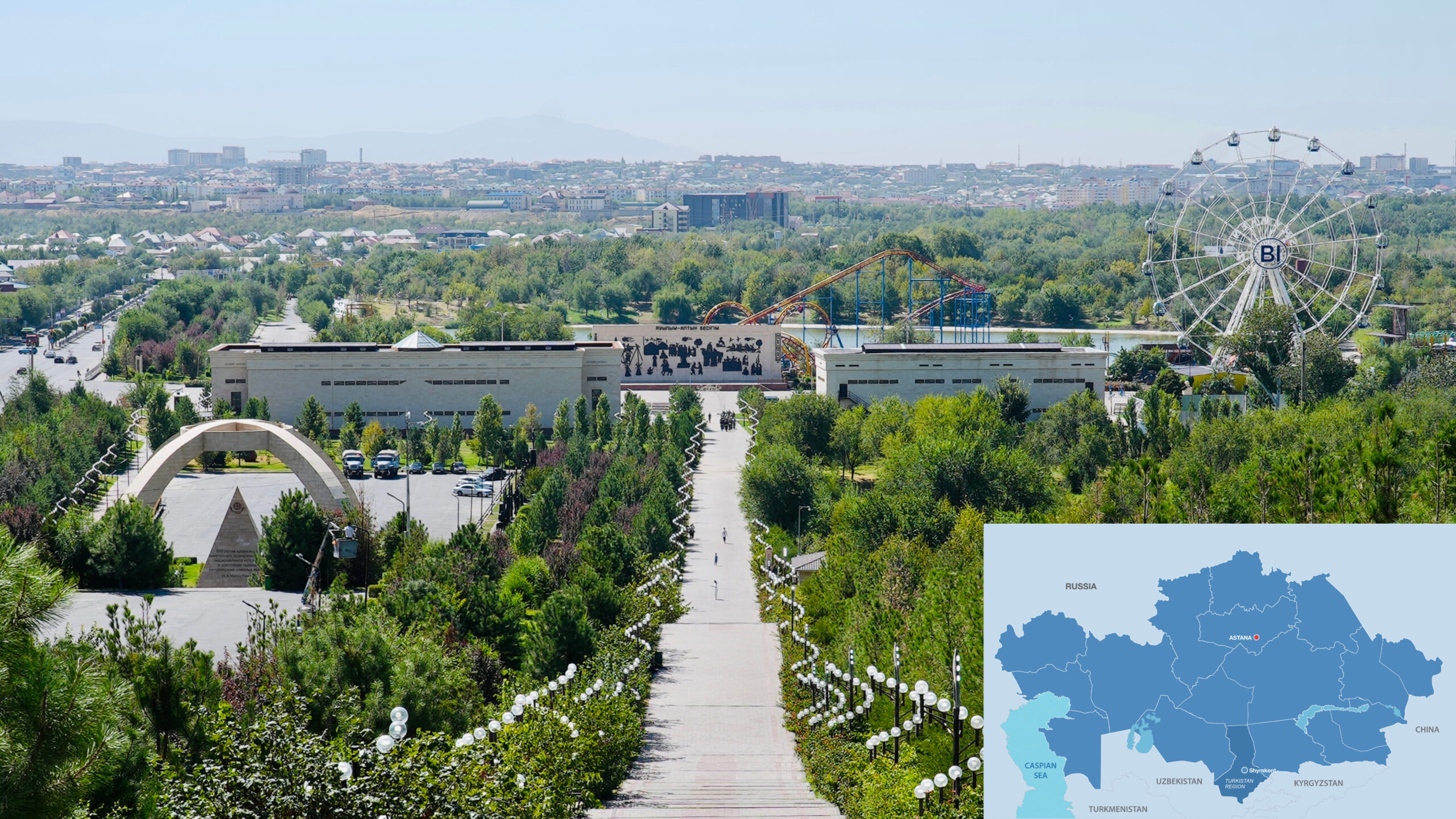
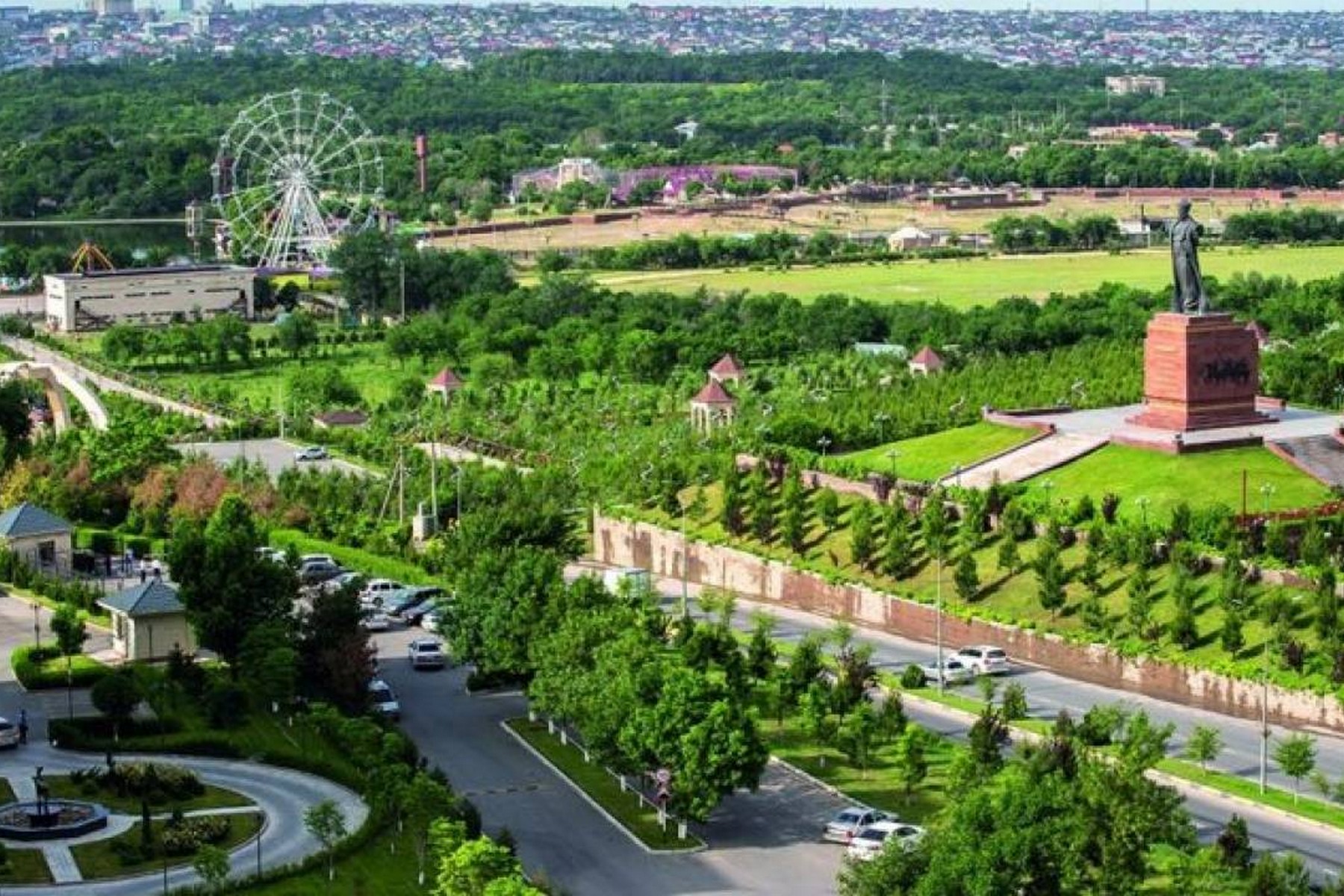
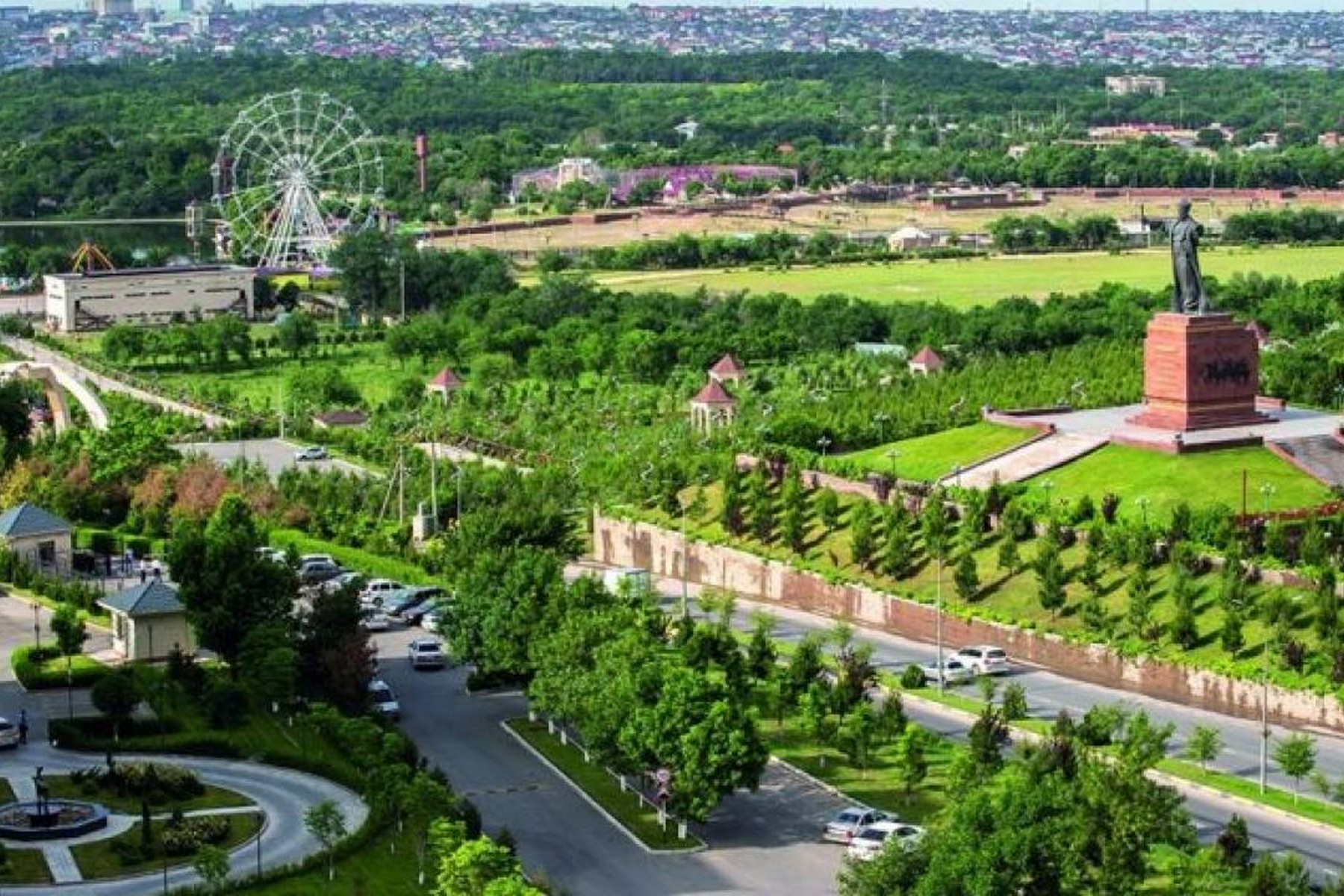
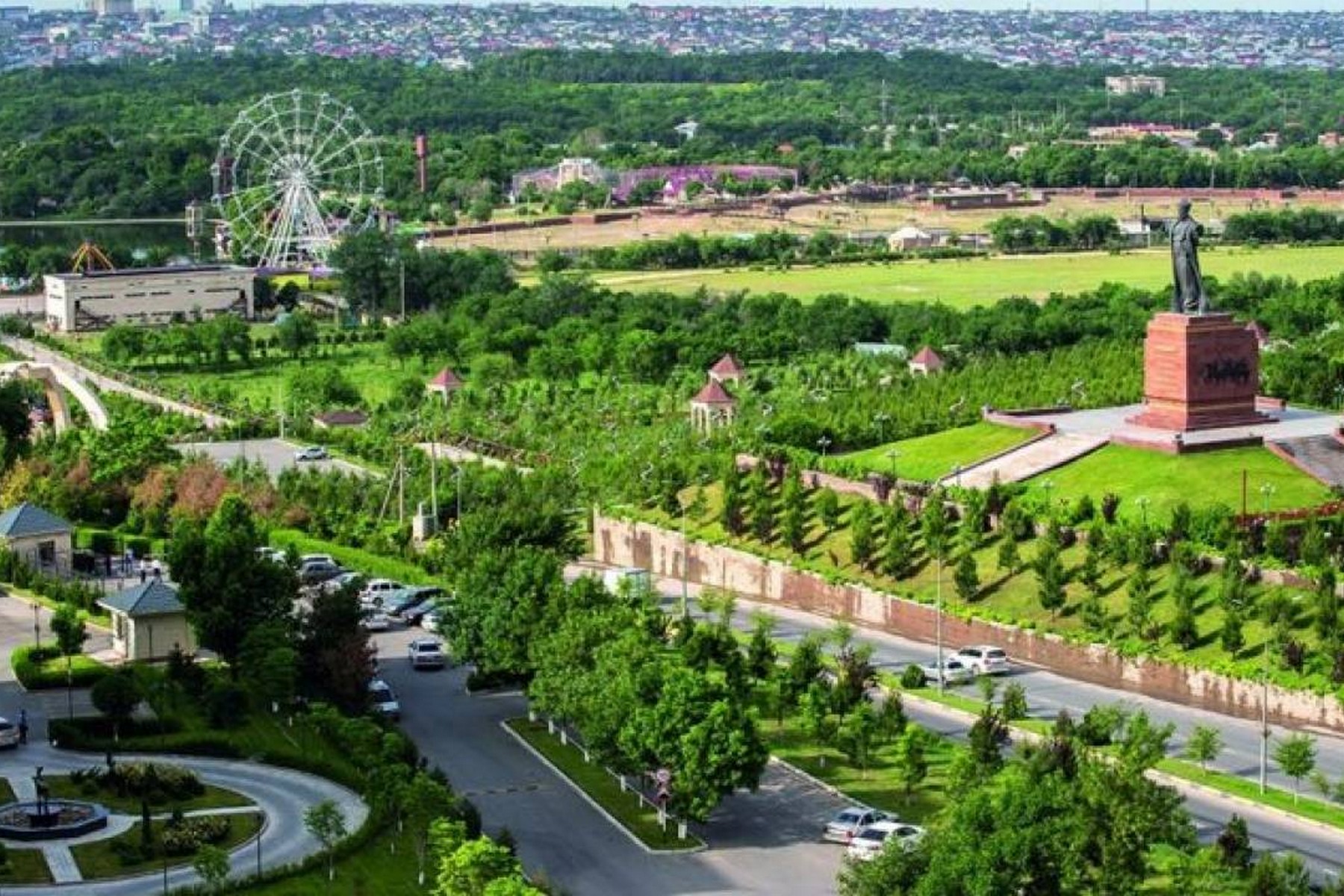
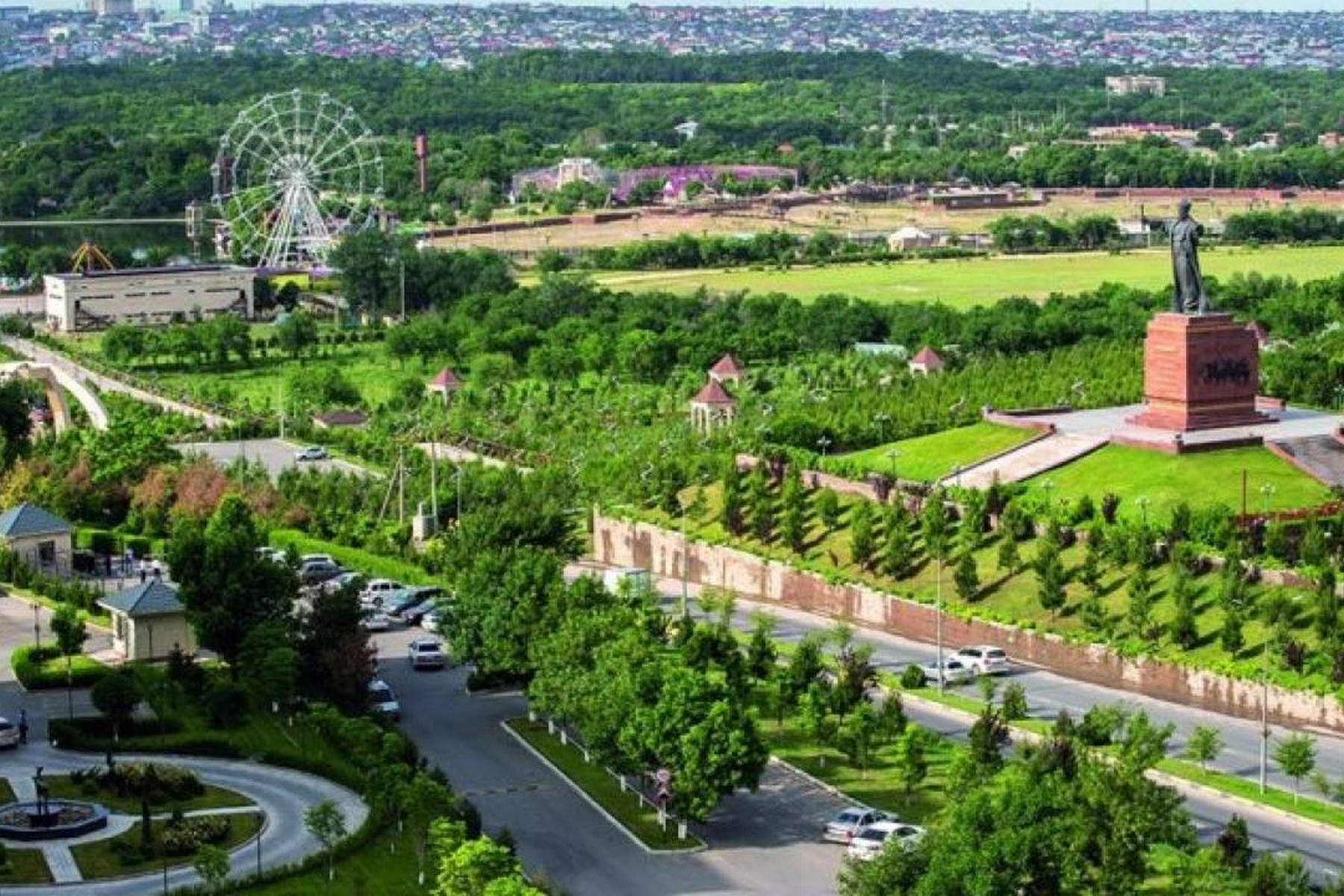
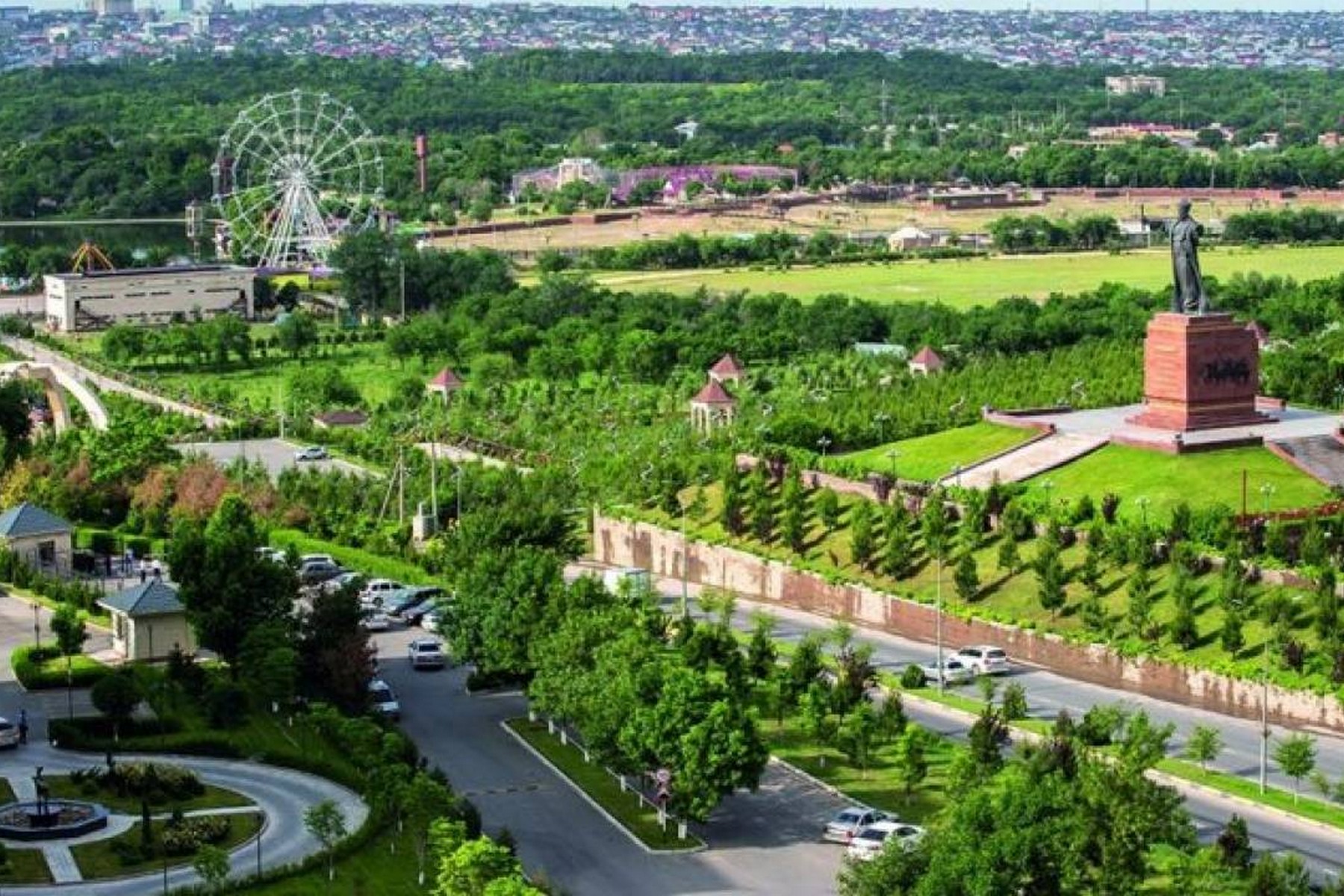
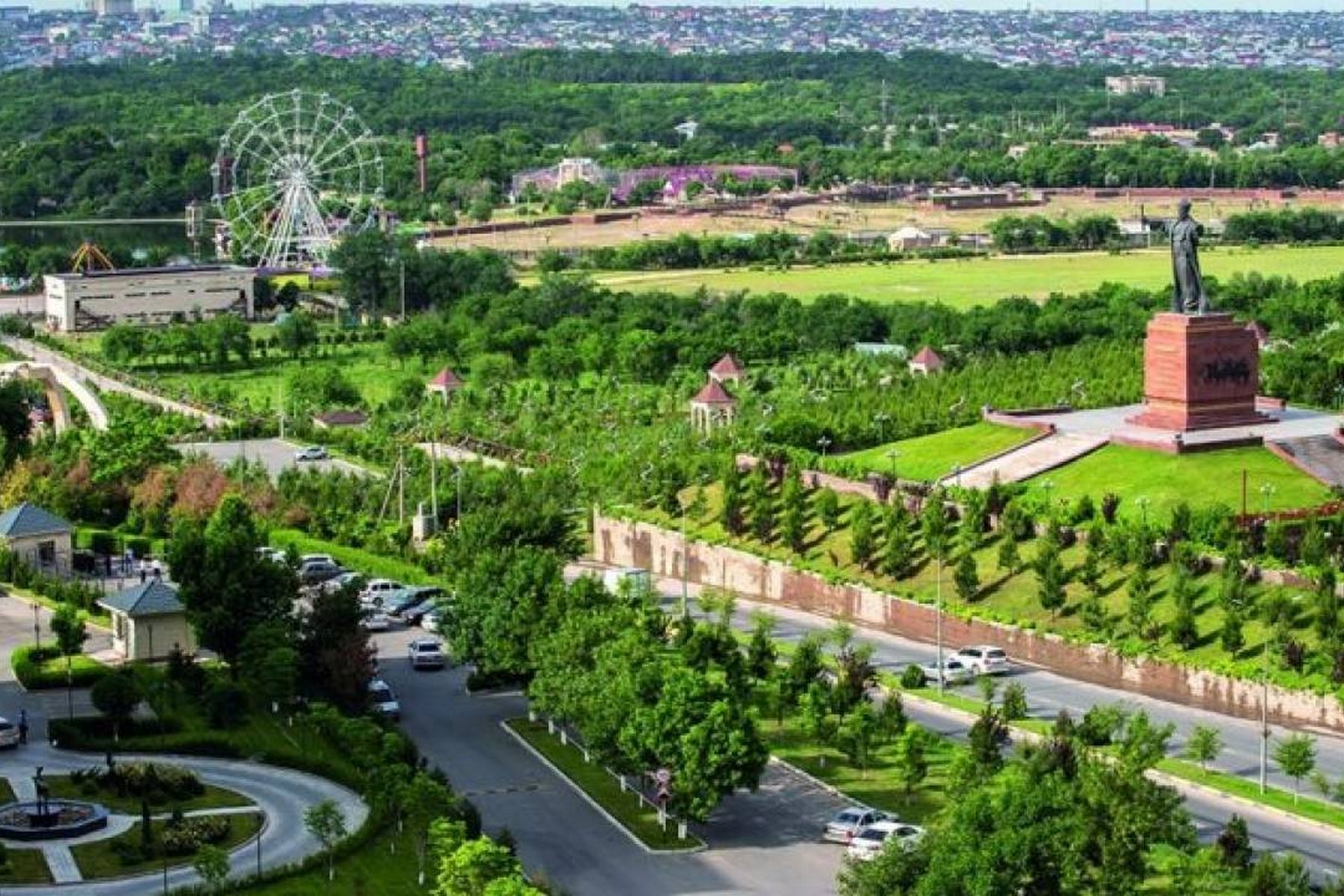
Shymkent is not monument-heavy, but several sites provide orientation.
Shymkent Plaza and Central Square
Modern commercial core reflecting recent urban development.
Central Park
A green urban space used by locals for recreation.
Local Bazaars
Markets offer insight into regional produce, spices, and cross-border goods.
Shymkent is best explored as a half-day or one-day urban stop rather than a multi-day standalone destination.
Shymkent as a Gateway to Turkestan
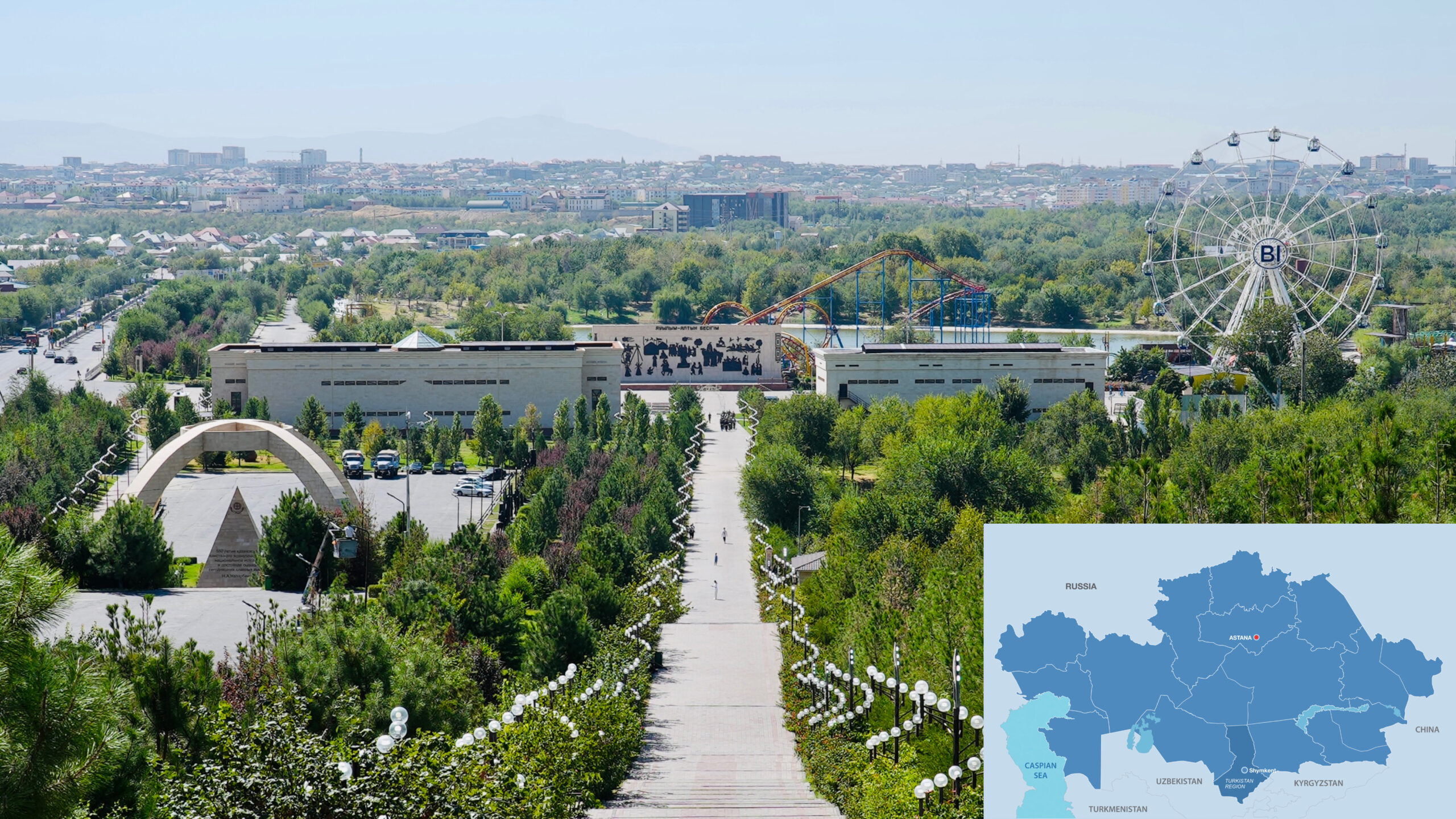
Distance
Approximately 160 km (2–2.5 hours by road).
Strategic Role
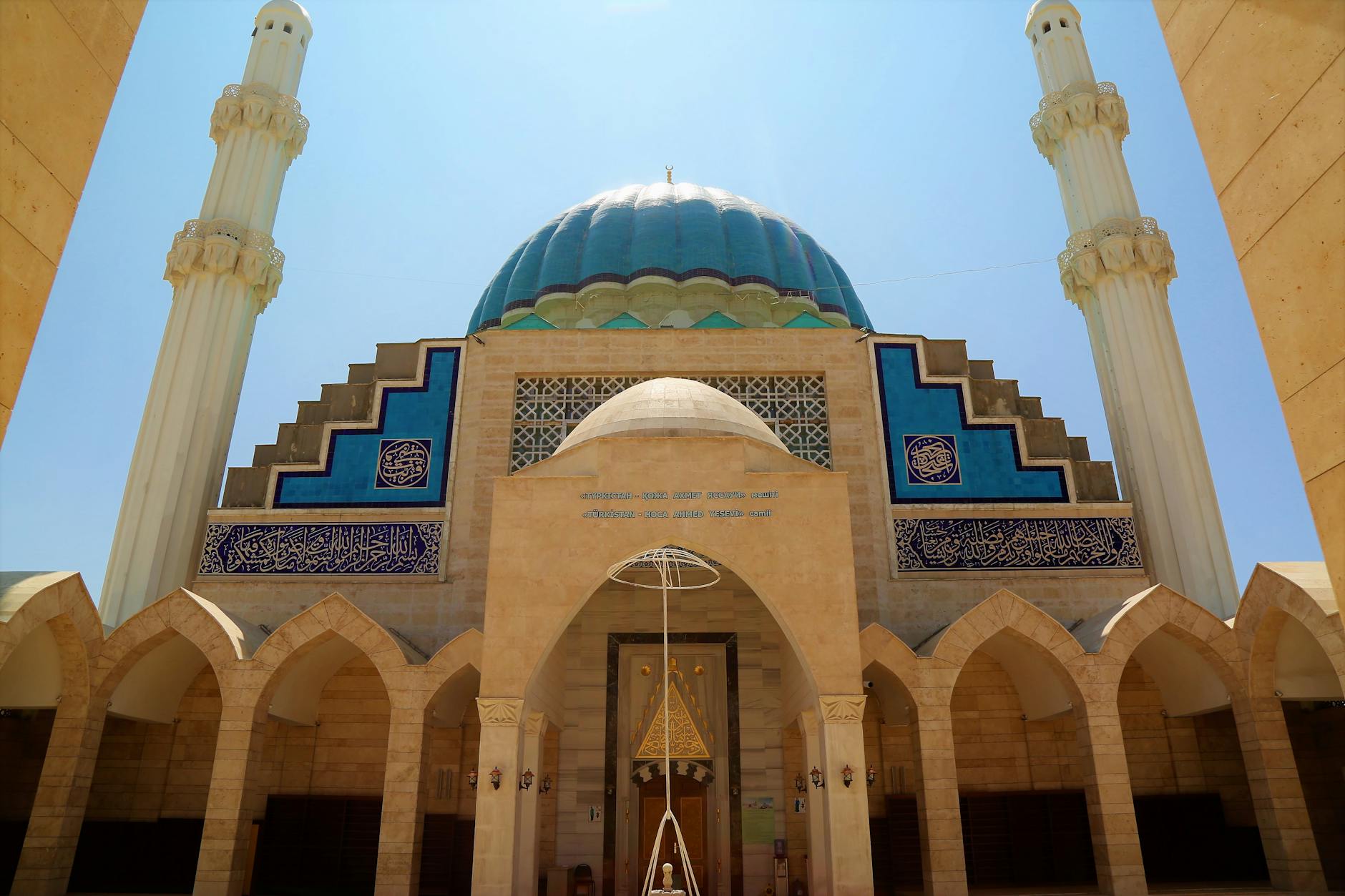
Many travelers arrive in Shymkent by air before transferring to Turkestan’s Mausoleum of Khoja Ahmed Yasawi.
Southern cultural routes can be structured via Kazakhstan tours.
Cross-Border Access to Uzbekistan
Shymkent to Tashkent
Approximately 120 km to the Uzbek border. Transfers require passport control and visa coordination depending on nationality.
Logistical Considerations
Private transfer vehicles typically cannot cross borders; vehicle changes are often required.
This makes Shymkent an important transitional city for Silk Road itineraries.
Best Time to Visit Shymkent
March–May
Pleasant temperatures for walking and city exploration.
September–October
Comfortable conditions after peak summer heat.
Summer
Temperatures can exceed 35°C. Midday activity should be minimized.
Accommodation Standards
-
3–4 star city hotels
-
Limited premium luxury inventory
-
Business-oriented properties
Most high-end travelers combine Shymkent with more developed hospitality options in Almaty.
Sample 2-Day Southern Corridor Structure
Day 1 – Arrival in Shymkent
-
City orientation
-
Local bazaar visit
-
Overnight stay
Day 2 – Transfer to Turkestan
-
Morning drive
-
Mausoleum of Khoja Ahmed Yasawi exploration
-
Return or overnight in Turkestan
This sequencing allows efficient access without rushed same-day travel from Almaty.
Common Misconceptions About Shymkent
“There is nothing to see.”
While not monument-focused, Shymkent provides regional context and logistical convenience.
“It can be skipped entirely.”
For travelers flying into southern Kazakhstan or crossing into Uzbekistan, Shymkent simplifies coordination.
“It is similar to Almaty.”
The climate, pace, and atmosphere differ noticeably from Kazakhstan’s southeastern capital.
Who Should Include Shymkent in Their Route?
-
Silk Road travelers connecting Kazakhstan and Uzbekistan
-
Visitors exploring Turkestan
-
Travelers seeking southern Kazakhstan context
-
Guests preferring structured regional transitions
Frequently Asked Questions About Shymkent
Is Shymkent worth visiting?
As a cultural gateway and logistical hub — yes. As a standalone tourism city — moderately.
How many days are needed?
1 day is typically sufficient unless combined with regional exploration.
Is English widely spoken?
Limited outside hotels and organized tour services.
Can Shymkent be combined with Almaty?
Yes, via domestic flight (approx. 1.5 hours).
Positioning Shymkent Within Kazakhstan Tours
Shymkent functions as a southern anchor point in Kazakhstan tours, particularly for travelers connecting cultural heritage sites with cross-border Silk Road extensions. While it lacks monumental density, its logistical value is significant.
To structure a multi-region itinerary including Shymkent, Turkestan, and cross-border routes, explore coordinated options within Kazakhstan tours.
Shymkent is less about spectacle and more about strategic positioning in southern Kazakhstan travel.
Get a consultation from our travel specialist
We will answer all your questions about traveling in Kazakhstan and Central Asia for free. We will help you create the best itinerary based on your time, interests, and budget.
Get a consultation
Related Articles


Travel editor and local contributor.
Comments are moderated according to site rules. Only authorized users can write comments and save posts.
Loading comments...