Astana Tours: Discovering Kazakhstan’s Modern Capital
Comprehensive guide to Astana tours covering architecture, Burabay extension, seasonal planning, and integration into wider Kazakhstan routes.




Astana Tours: Exploring Kazakhstan’s Modern Capital and the Northern Steppe
Astana tours focus on a very different Kazakhstan than the mountain-and-canyon routes of the southeast. As the purpose-built capital relocated from Almaty in 1997, Astana represents Kazakhstan’s political ambition, architectural experimentation, and strategic positioning in the Eurasian steppe. For travelers planning structured city-based experiences, Astana tours combine modern landmarks, national symbolism, and nearby nature in the Burabay region.
Unlike remote national parks that require extensive off-road logistics, Astana tours are urban-centric, infrastructure-supported, and season-sensitive due to extreme continental climate conditions. This guide explains how to structure a visit, what to prioritize, and how to position Astana within broader Kazakhstan tours.
Understanding Astana’s Urban Identity
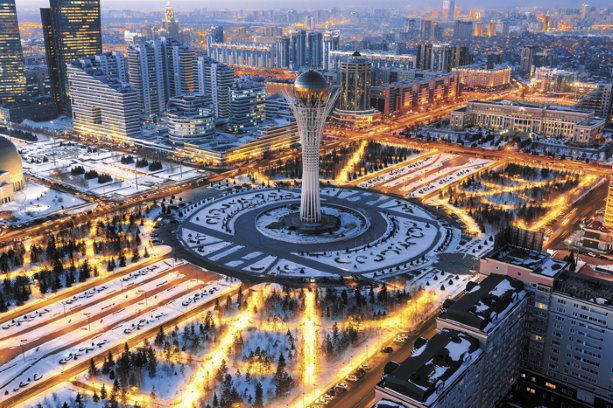
Astana was master-planned to reflect a forward-looking national identity.
Political Capital
The city houses presidential institutions, ministries, and diplomatic missions. Architecture reflects symbolic narratives of independence and Eurasian connectivity.
Architectural Experimentation
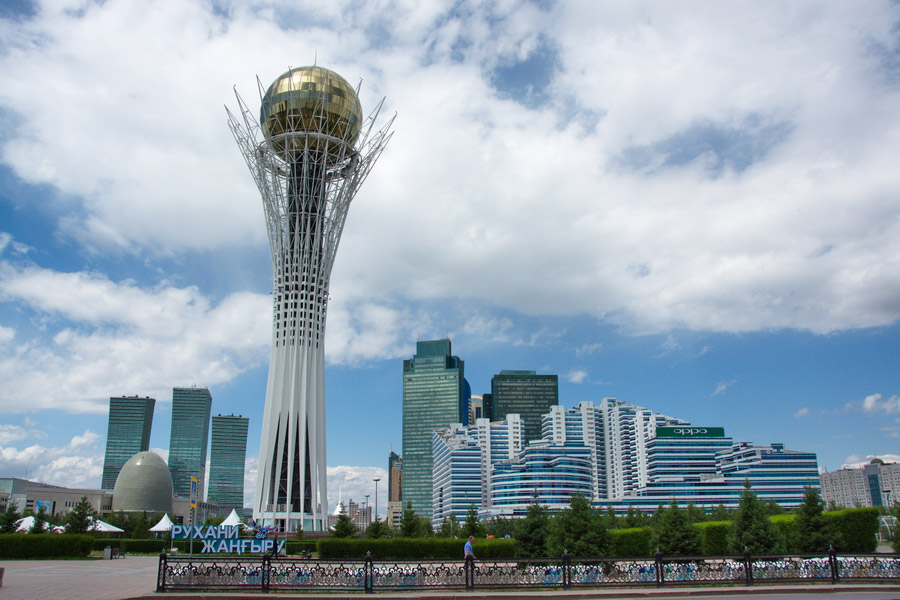
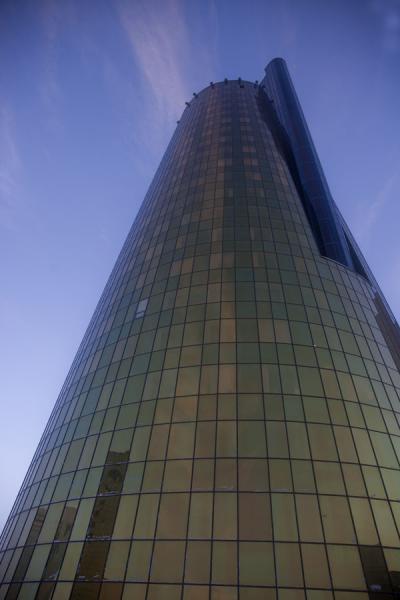
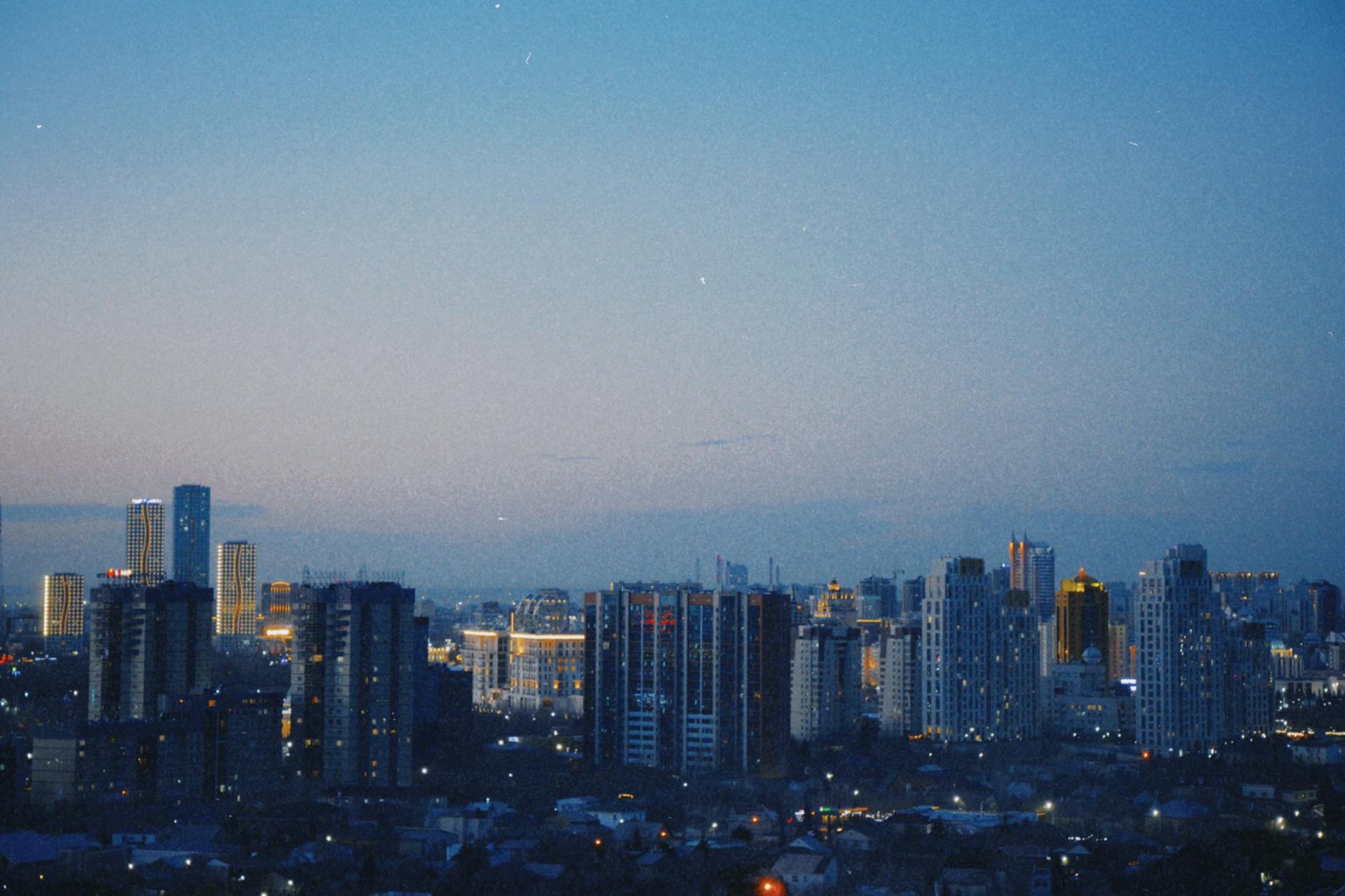
Astana’s skyline features futuristic structures designed by international architects, creating a striking contrast with the surrounding open steppe.
Steppe Context
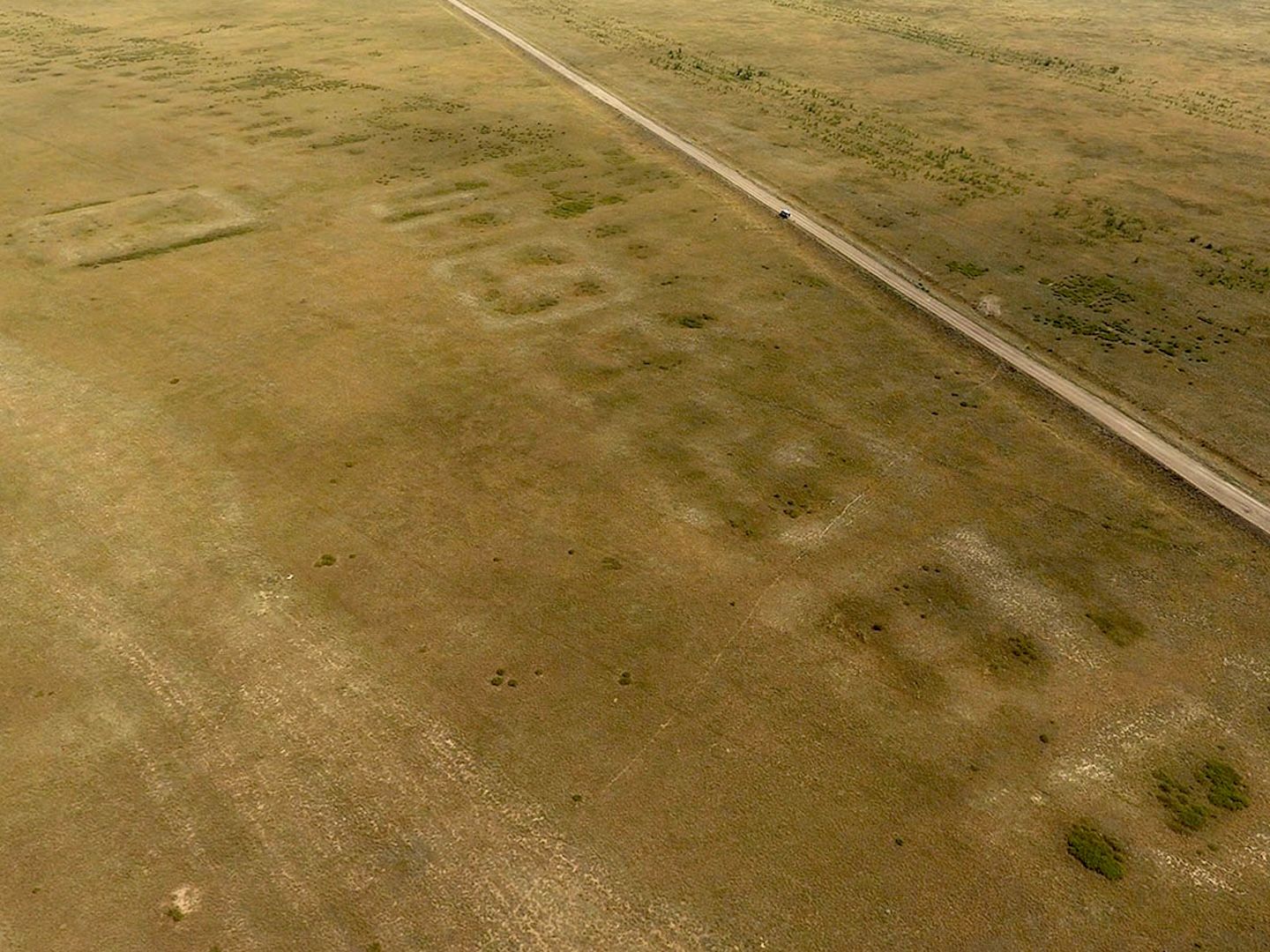
Geographically, Astana sits within flat northern plains along the Ishim River. The absence of natural mountain backdrops intensifies the architectural visual impact.
Core Landmarks in Astana Tours

Structured Astana tours typically focus on a concentrated central axis.
Bayterek Tower
The symbolic heart of the city. Visitors ascend to an observation deck offering panoramic views across the capital’s geometric layout.
Khan Shatyr
A transparent tent-like structure functioning as a shopping and leisure complex. Notable for its climate-controlled interior.
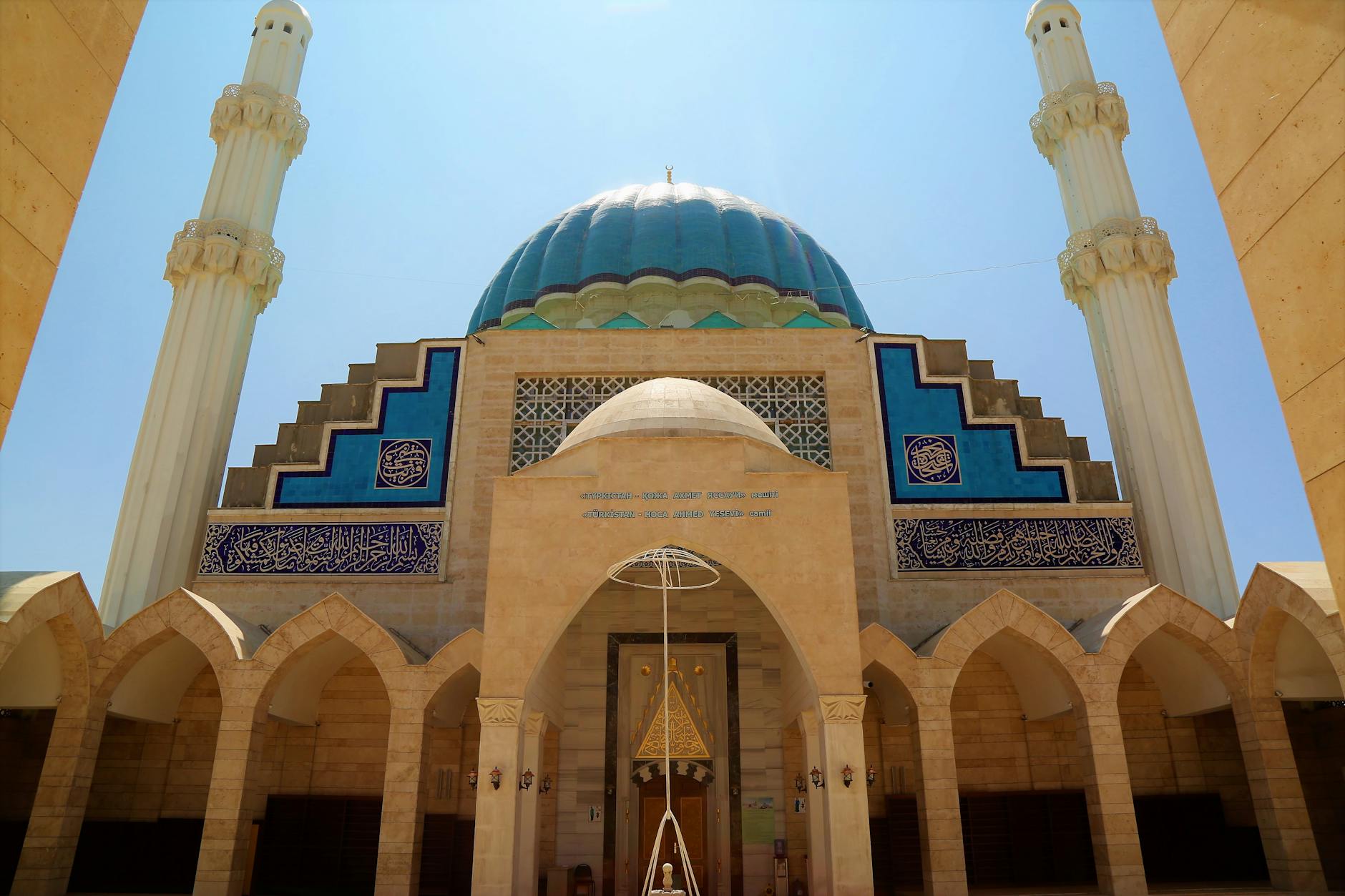
Hazret Sultan Mosque
One of Central Asia’s largest mosques, reflecting contemporary Islamic architecture in Kazakhstan.
National Museum of Kazakhstan
Provides structured historical context, from nomadic cultures to modern statehood.
City-based planning options can be explored via /kazakhstan-tours.
How Long Should Astana Tours Be?
1 Day
Panoramic city drive, Bayterek visit, mosque, and museum overview.
2 Days
Deeper museum exploration, river embankment walk, additional architectural sites.
3–4 Days
Inclusion of Burabay National Park (approx. 250 km north, 3–4 hours by road).
Astana alone does not require extended durations unless combined with regional extensions.
Burabay Extension from Astana
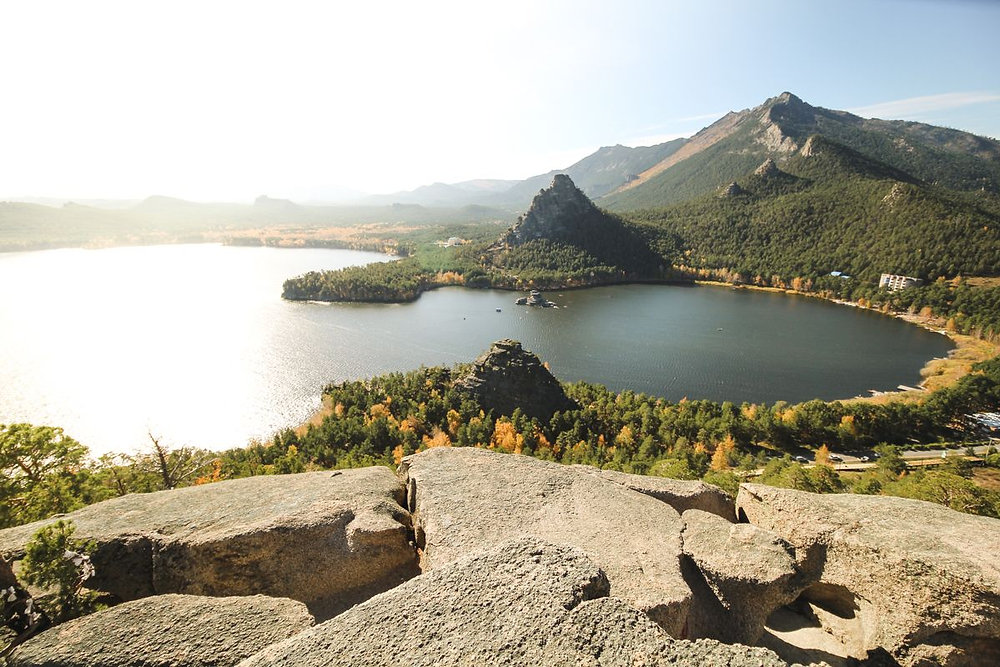
Burabay National Park provides natural contrast to the capital’s urban structure.
Distance and Access
- Approximately 250 km from Astana
- 3–4 hours by road
Landscape Profile
Pine forests, lakes, and granite rock formations — visually distinct from the flat steppe surrounding Astana.
Recommended Duration
1–2 nights for balanced exploration.
This extension is commonly integrated into structured Kazakhstan tours covering multiple regions.
Seasonal Strategy for Astana Tours
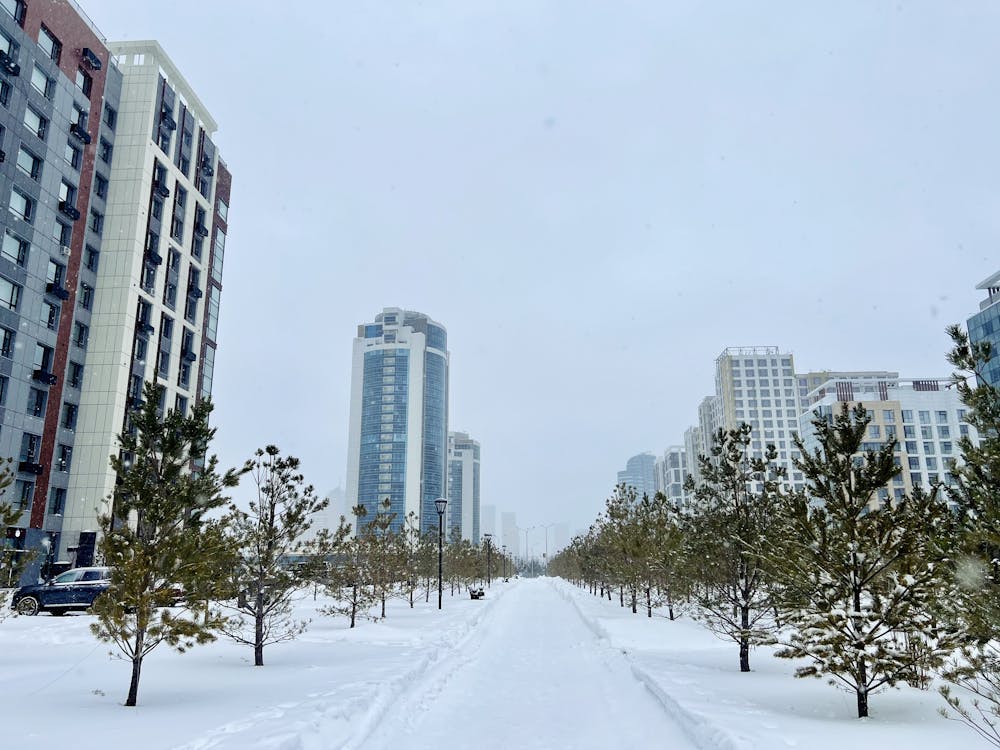
Astana’s climate is among the most extreme of any capital city.
Winter (November–March)
Temperatures frequently drop below -20°C. Outdoor walking should be minimized. Urban indoor visits dominate itineraries.
May–September
Most comfortable period for walking tours and riverfront exploration.
Wind Factor
Strong steppe winds can amplify perceived temperature differences year-round.
Transportation and Infrastructure
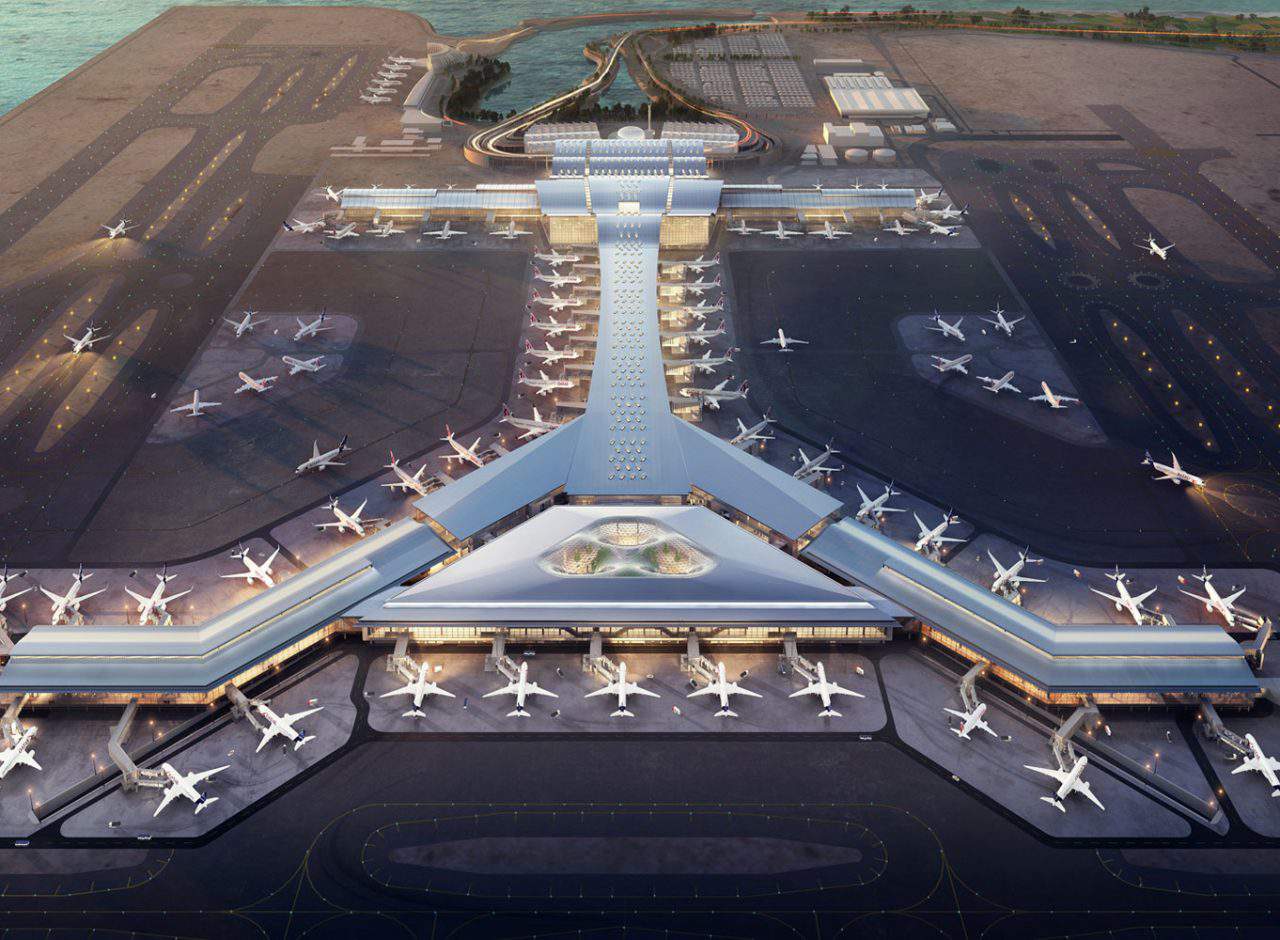
International Access
Astana International Airport connects to major regional hubs.
Urban Mobility
Wide boulevards and planned districts facilitate vehicle-based sightseeing. Walking distances between landmarks can be significant.
Intercity Travel
Domestic flights connect Astana to Almaty, Aktau, and Shymkent for multi-region itineraries.
Sample 3-Day Astana Structure
Day 1 – Architectural Axis
- Bayterek Tower
- Presidential Palace exterior
- Hazret Sultan Mosque
Day 2 – Cultural Context
- National Museum
- River embankment walk
- Khan Shatyr
Day 3 – Burabay National Park
- Morning departure
- Lake viewpoints and forest trails
- Return or overnight stay
This format balances architecture and landscape contrast.
Common Misconceptions About Astana Tours
“There is nothing but modern buildings.”
While architecture dominates, museums and steppe context provide broader national insight.
“Astana requires a full week.”
The core city experience is efficiently covered in 1–2 days.
“Winter makes visits impossible.”
Winter is feasible but requires strategic indoor scheduling.
Who Should Prioritize Astana Tours?
- Travelers interested in modern state architecture
- Visitors combining political and cultural themes
- Business travelers extending short stays
- Guests integrating north–south Kazakhstan routes
Frequently Asked Questions About Astana Tours
Is Astana worth visiting compared to Almaty?
Yes, for architectural and political context. Almaty offers stronger natural landscapes.
Is English widely spoken?
More common in government institutions and hotels.
Can Astana be combined with southern Kazakhstan?
Yes, via domestic flights to Shymkent or Almaty.
Is Burabay accessible year-round?
Yes, though winter snow alters hiking conditions.
Positioning Astana Within Kazakhstan Tours
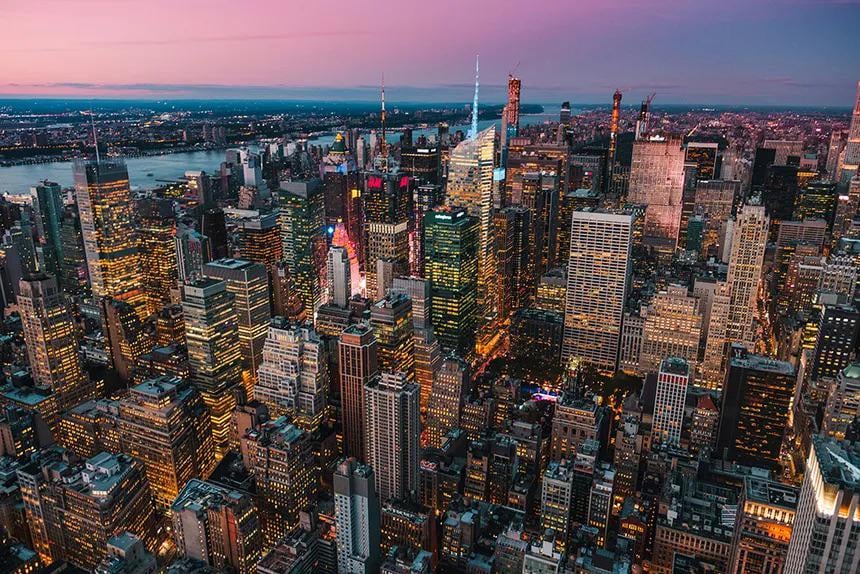
Astana tours function best as a complementary urban component within broader Kazakhstan tours. While southeastern routes emphasize mountains and canyons, Astana provides political narrative and architectural contrast.
To integrate Astana into a structured multi-region itinerary, explore Kazakhstan tours and coordinate domestic transfers accordingly.
Astana offers a controlled, symbolic, and climate-defined dimension of Kazakhstan travel.Get a consultation from our travel specialist
We will answer all your questions about traveling in Kazakhstan and Central Asia for free. We will help you create the best itinerary based on your time, interests, and budget.
Get a consultation
Related Articles
Travel editor and local contributor.
Comments are moderated according to site rules. Only authorized users can write comments and save posts.
Loading comments...