Getting There
Most travelers reach Chundja Hot Springs from Almaty or another major regional hub. Private transfers, guided tours, and self-drive routes are the most practical options depending on the season and road conditions.
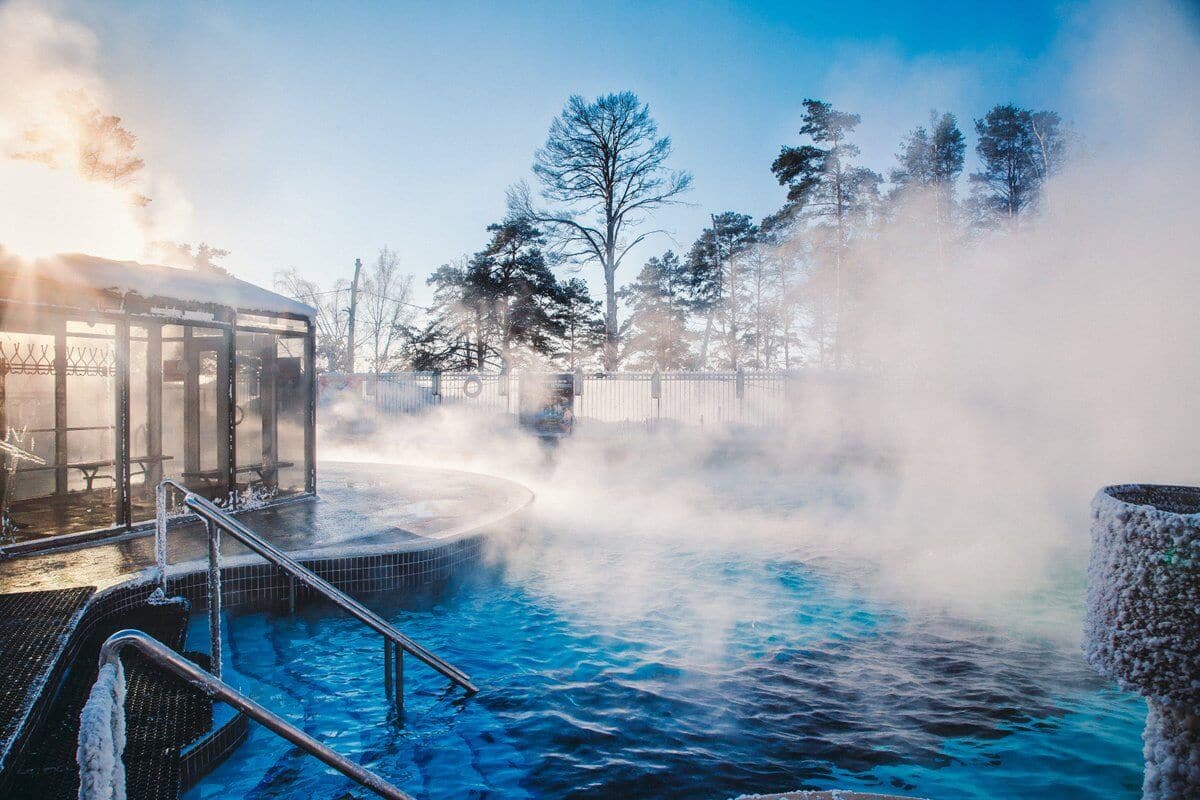
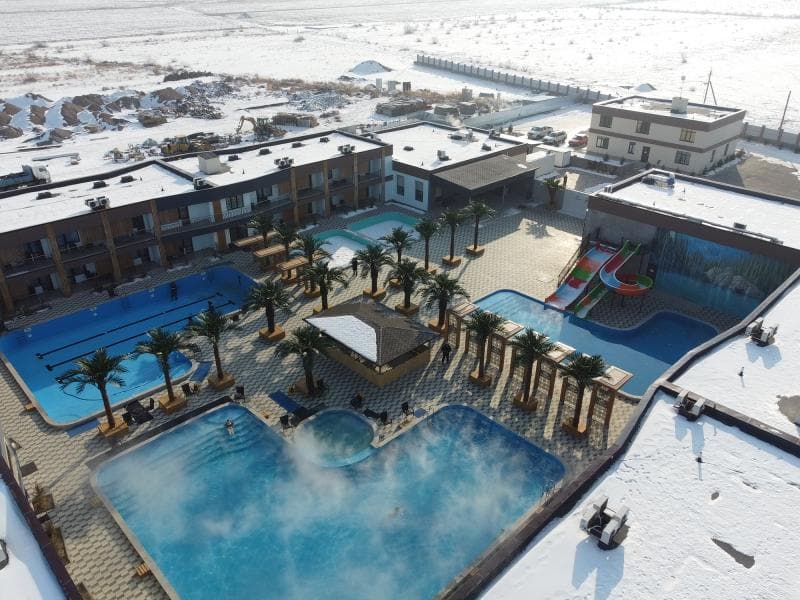
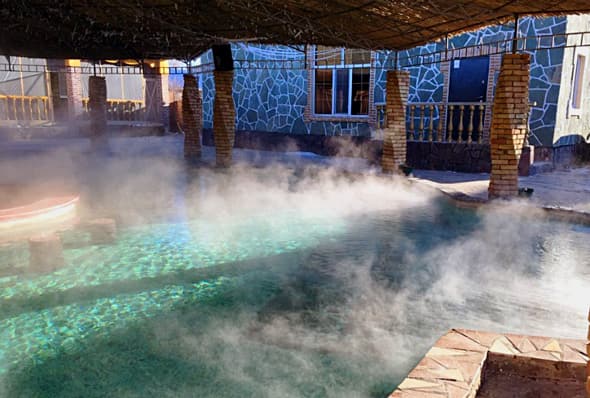
Chundja is a village in the Uyghur district of the Almaty region. It is about 243 km from Almaty. The "Arasan" area, where the recreation centers with thermal pools are located, is approximately 50 km from the village. The springs are fed by mineralized water, which is heated in the depths and comes to the surface already warm/hot. Temperatures are conditionally divided into: warm (20–37°C), hot (37–50°C), and very hot (50–100°C).
According to research, water is classified as a therapeutic table water with low mineralization, a complex sulfate-bicarbonate-chloride sodium composition, and contains an increased concentration of silicic acid. In simple terms: increased alkalinity may contribute to improved gastrointestinal function; calcium salts have anti-inflammatory effects; sodium and chloride are involved in water-salt metabolism; silicic acid in dosages may have sedative and anti-inflammatory effects. A separate emphasis: radon baths (in small doses) can provide health benefits but have limitations and require caution.
In balneological practice, thermal water is used as an auxiliary measure for: • chronic gastritis and functional disorders of the gastrointestinal tract; • diseases of the urinary system in remission (cystitis, pyelonephritis, urolithiasis); • mild form of diabetes mellitus; • certain skin diseases and during the recovery period after injuries. The effect depends on the state of health and the regimen of procedures — it is better to rely on the recommendations of a doctor.
Contraindications: acute conditions/exacerbations, malignant neoplasms, and other serious diseases. Radon baths require caution: contraindicated in cases of radiation sickness and when working in radioactive zones. A consultation with a doctor is recommended before the course. Visiting rules: • immersion level — no lower than the heart (in case of heart failure — up to the navel line); • 10–15 minutes at 35–37°C; • afterwards — rest for 30–60 minutes; alcohol and nicotine are contraindicated.

Most travelers reach Chundja Hot Springs from Almaty or another major regional hub. Private transfers, guided tours, and self-drive routes are the most practical options depending on the season and road conditions.
The best season for Chundja Hot Springs depends on the experience you want: clear scenery, warmer hiking weather, quieter shoulder-season travel, or winter landscapes. Spring through autumn is usually the most flexible period for a first visit.
Accommodation near Chundja Hot Springs can include city hotels, guesthouses, eco-lodges, camps, or resort-style stays depending on the route. Many travelers stay in Almaty or a nearby base and visit as part of a private day trip or multi-day itinerary.
Pack layers for changing weather, keep some cash for remote stops, and confirm road access before departure. A private guide or driver is often the easiest way to combine logistics, viewpoints, and local insight around Chundja Hot Springs.
A half day to full day is enough for a focused visit, while a multi-day route works better if you want to combine Chundja Hot Springs with nearby highlights and travel at a slower pace.
Yes, but transport, weather, and road conditions can vary. Many visitors prefer a guided or private format to save time and make logistics easier.
In most cases yes, but the best experience depends on the season. Accessibility, comfort, and scenery can change noticeably between winter and summer.
All available hotels and recreation bases
Tell us how you like to travel. We’ll shape a private route around your dates, pace, and interests.