City Symbol
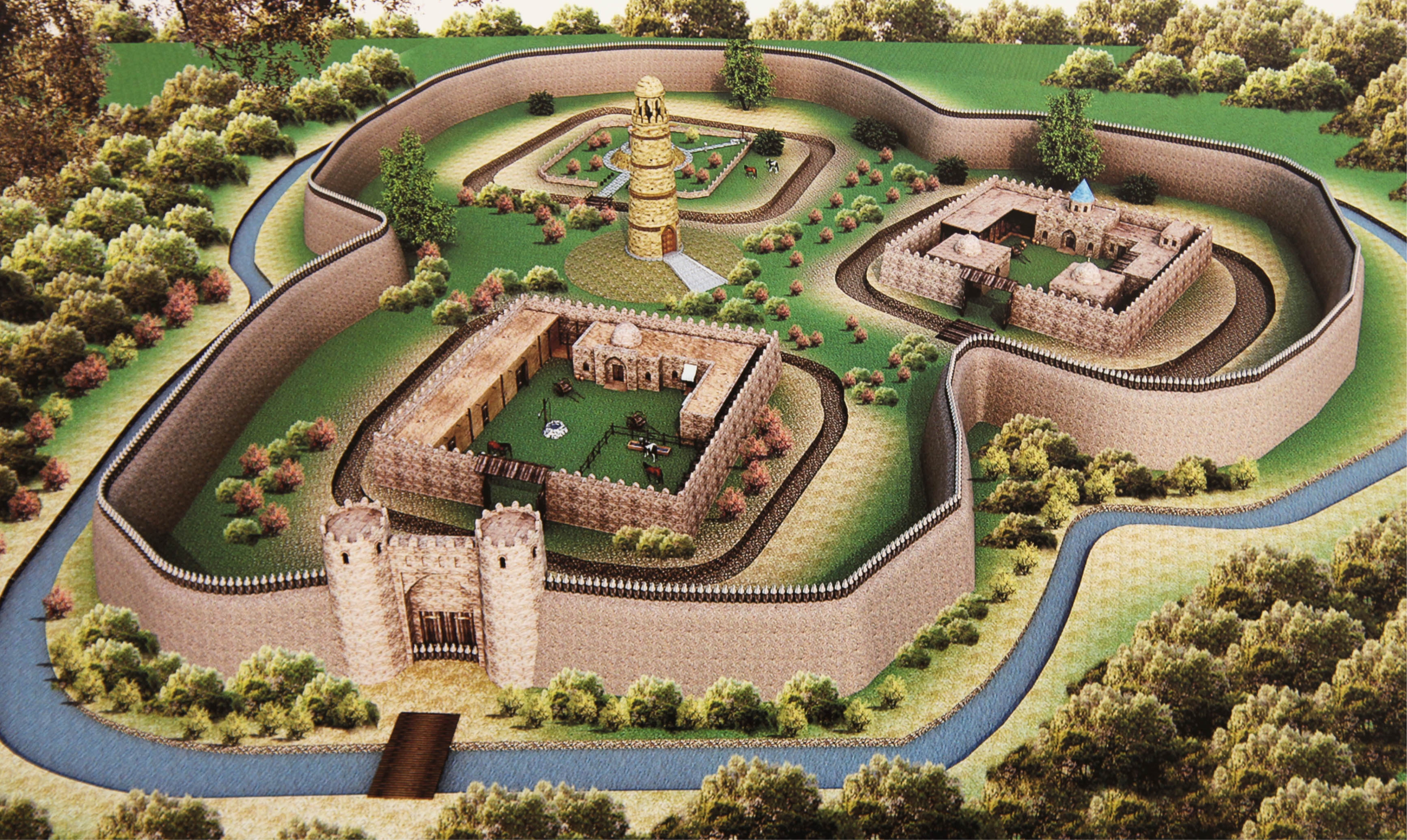
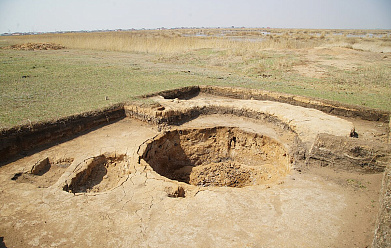
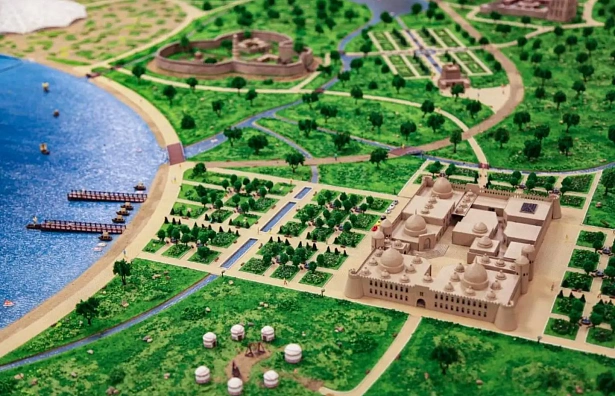
Bozok is a medieval settlement located near the Esil River, which emerged in the 8th to 10th centuries. This monument reflects the interaction between nomadic and sedentary cultures of the steppe. Archaeological excavations have revealed remnants of residential houses, fortifications, economic buildings, and cult structures. Bozok is considered a historical prototype of the capital and an important testament to the civilization of the Great Steppe. Today, it plays a significant role in studying the history of Kazakhstan and preserving the cultural heritage of the country.
History
Medieval Settlement Bozok: The Origins of Astana's History
The medieval settlement Bozok is one of the most important archaeological and historical monuments of Kazakhstan, located in the territory of modern-day Astana. This ancient settlement, founded around the 10th century, is considered the predecessor of the capital and reflects the rich cultural and spiritual heritage of the Kazakh land. Bozok was situated at the crossroads of ancient trade and nomadic routes connecting the East and West. Due to its advantageous location, the settlement became an important center for crafts, agriculture, and spiritual life. It housed dwellings, economic buildings, and cult structures, which testify to the high level of development of the local population. Archaeological excavations at Bozok have allowed scholars to reconstruct the way of life of medieval nomads and farmers, understand the peculiarities of their daily life, beliefs, and social structure. The findings of pottery, jewelry, and household items are of particular significance, demonstrating the high level of craftsmanship of ancient artisans. Today, Bozok is a unique historical and cultural monument and an open-air archaeological museum. This place reminds the residents and guests of the capital of the centuries-old history of the Kazakh people, its roots, and the continuous connection of times that links the past, present, and future of Kazakhstan.