Exhibitions and History
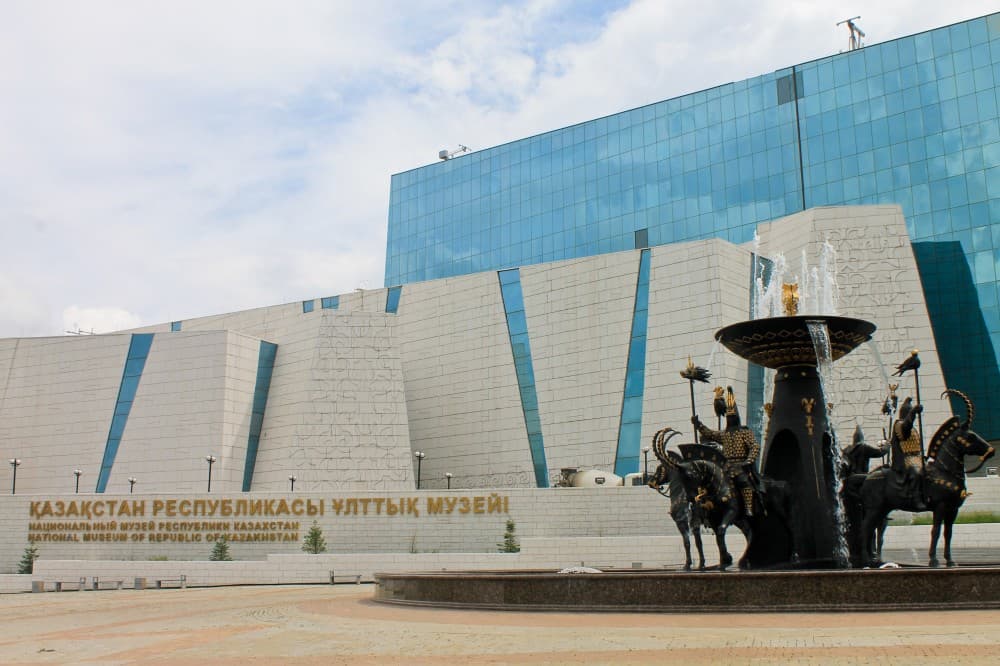
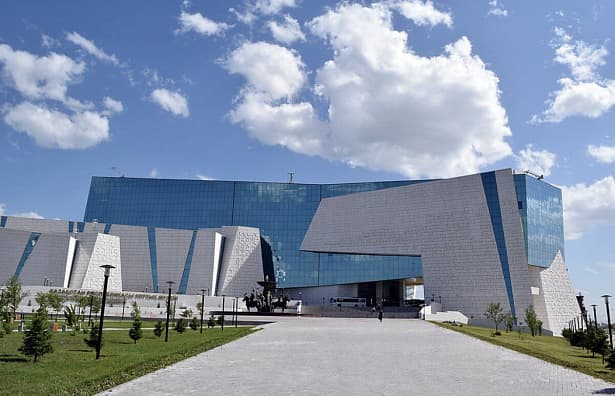
The National Museum of the Republic of Kazakhstan is the largest museum in the country, opened in 2014 in Astana. The museum showcases the history, culture, ethnography, and art of Kazakhstan, including the famous "Golden Man." The building is modern, with spacious halls for permanent and temporary exhibitions.
History
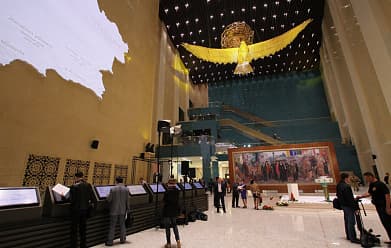
The National Museum of Kazakhstan opened its doors in July 2014 at the initiative of President Nazarbayev of Astana. Today, its collection includes over 175,000 exhibits that tell the story of the country's history, culture, and art. The museum harmoniously complements Independence Square, where the monument "Қазақ елі," the Palace of Peace and Reconciliation, the University of National Arts, and the Hazret Sultan Mosque are already located. The halls of ancient and medieval history showcase tools, ceramics, archaeological finds from the Bronze and Iron Ages, as well as artifacts from medieval Kazakhstan. The Gold Halls display unique finds from ancient nomads, including the "Golden Man" from the Issyk mound, while the ethnography hall introduces national clothing, jewelry, yurts, and household items of the Kazakhs. Special interest is drawn to the exhibitions of Independent Kazakhstan and Astana: here, through photographs, models, archival documents, and multimedia panels, the history of the country's formation and the young capital is revealed. The main model of Astana and the media floor create a vibrant interactive show, while the trilingual multimedia guide makes it easy to explore all the halls. The National Museum is not only a collection of exhibits but also a center of culture, science, and inspiration for all who wish to learn about the history of Kazakhstan and feel the spirit of its people.