What to see and how to plan your visit
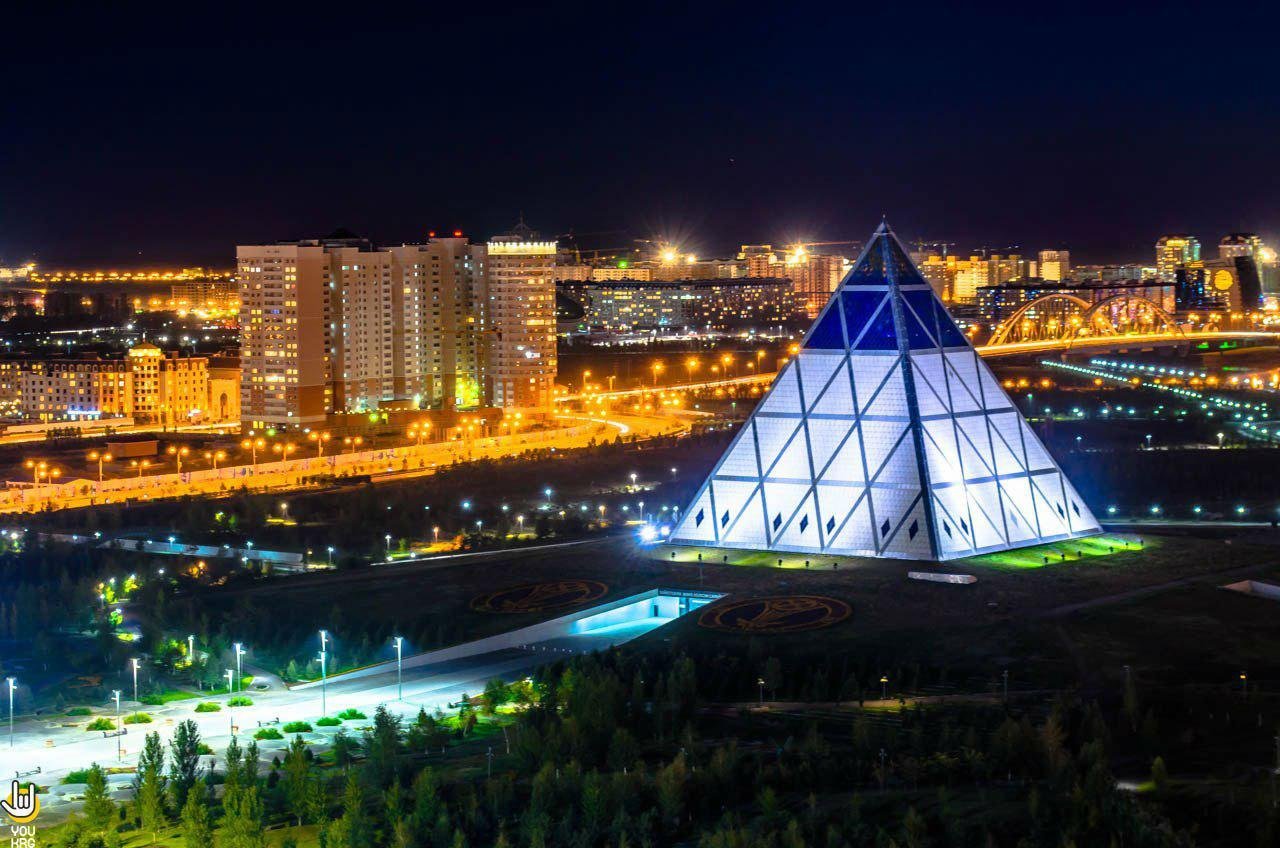
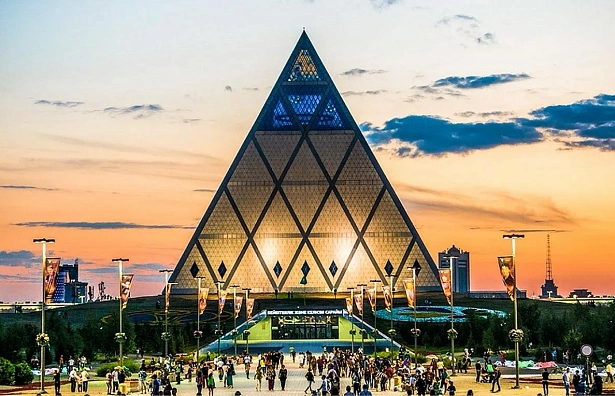
The Palace of Peace and Reconciliation is one of the attractions of the capital. The pyramid has become a symbol of the unity of various religions, ethnicities, and cultures, as well as the openness of the people and the state to the whole world. The idea of creating the "Palace of Peace and Reconciliation" belongs to the President of Kazakhstan N.A. Nazarbayev and was presented by him at the first "Congress of World and Traditional Religions," which took place on September 23-24, 2003, in Astana. The construction of the pyramid was completed in 2006, and the concert hall was opened by Montserrat Caballé.
History
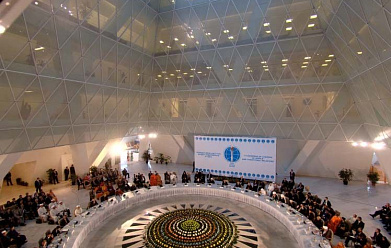
The Palace of Peace and Reconciliation is a symbol of unity, friendship, peace, and cooperation on the land of Kazakhstan. The project was designed by the renowned British architect Norman Robert Foster. The idea of constructing a building in the shape of a Pyramid in the capital, where representatives of various nations and religions could gather to make decisions leading all humanity towards peace and goodness, was proposed by the First President of Astana, Nursultan Nazarbayev, in 2003 at the I Congress of Leaders of World and Traditional Religions in Astana. The initiative received broad support from leaders of various faiths gathered from around the world. Delegates of the Congress, who reconvened in 2006 in the youngest capital in the world — Astana, held their second meeting in the new, unique building – the Palace of Peace and Reconciliation. The base of the Pyramid measures 63x63 meters, and its height is 63 meters. The exterior of the building is clad in glass and stone slabs, reflecting its inner content, while the top of the Pyramid, that is, the dome, is adorned with a stained glass artwork by the famous artist Brian Clarke. The stained glass is a true masterpiece, depicting 130 white doves, symbolizing the various nationalities living in the country. The grand opening of the new Palace featured a performance by the star of world classical music, Montserrat Caballé. The Palace has a tour service operating without days off. Tours are conducted in three languages: Kazakh, Russian, and English. The Palace of Peace and Reconciliation is a place where ideas of peace, harmony, and progress meet under one shining dome. A must-visit!