Getting There
Most travelers reach Parco Nazionale «Altyn-Emel» from Almaty or another major regional hub. Private transfers, guided tours, and self-drive routes are the most practical options depending on the season and road conditions.
Altyn-Emel ha lo status internazionale di riserva della biosfera UNESCO ed è incluso nell'elenco dei patrimoni dell'umanità nella categoria «Deserti invernali freddi del Turan». Il parco è anche considerato candidato per il status di geoparco UNESCO.
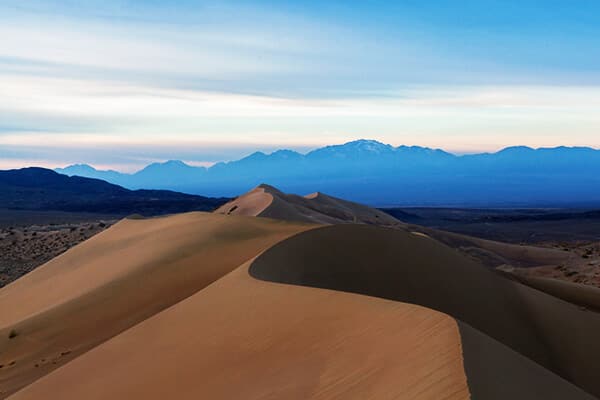
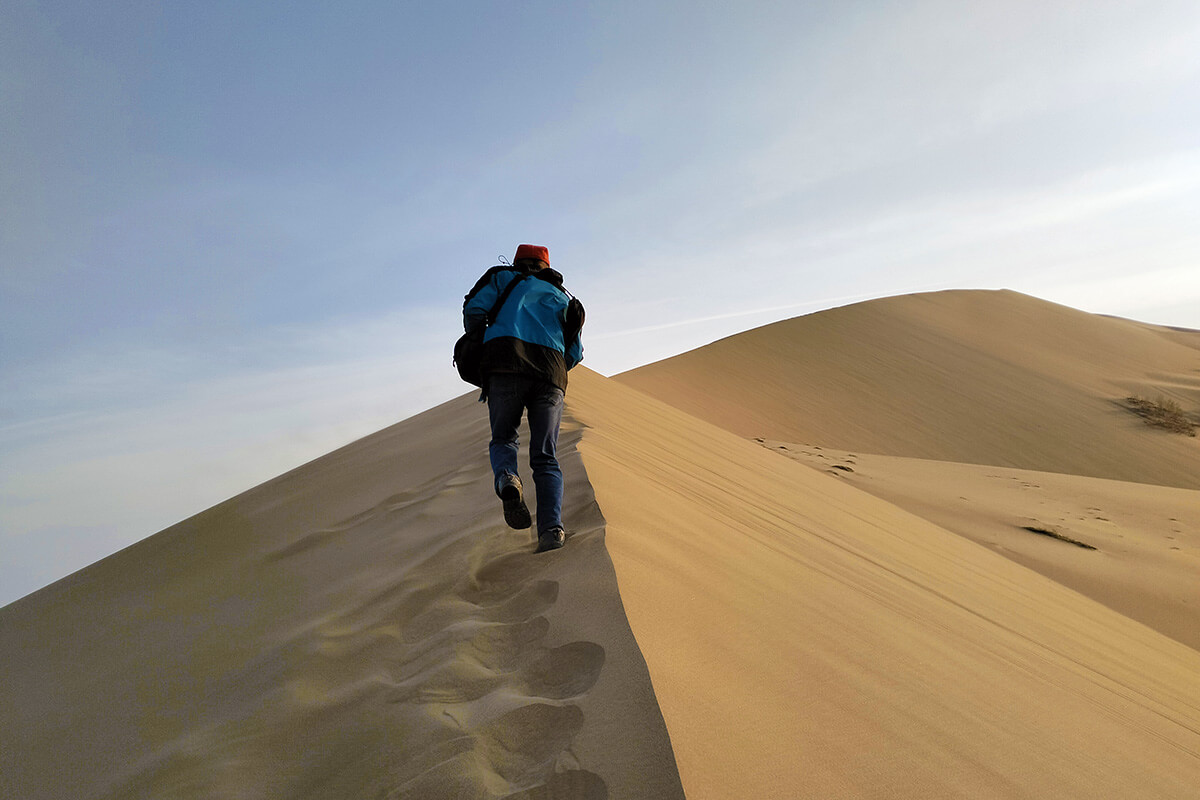
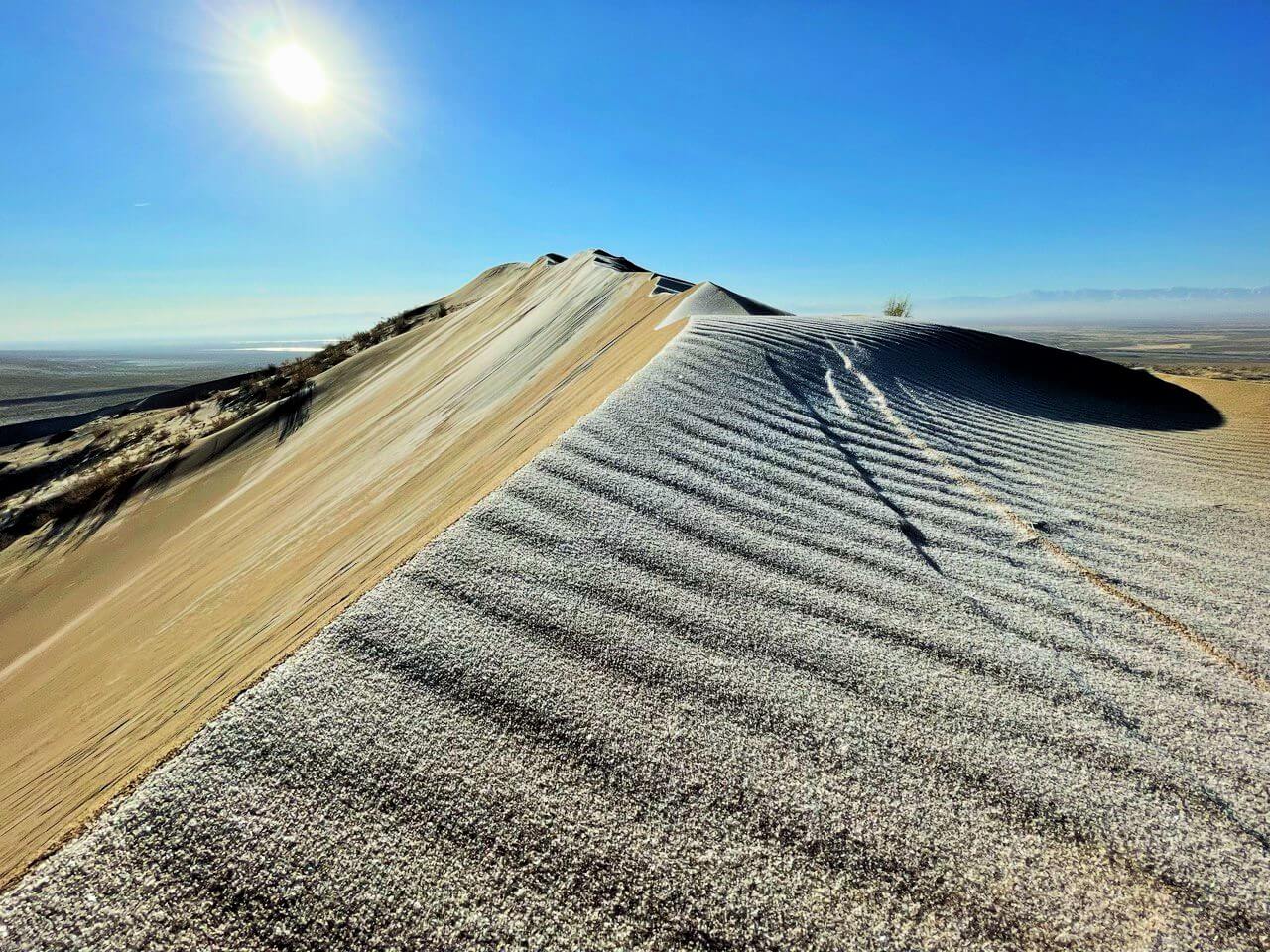
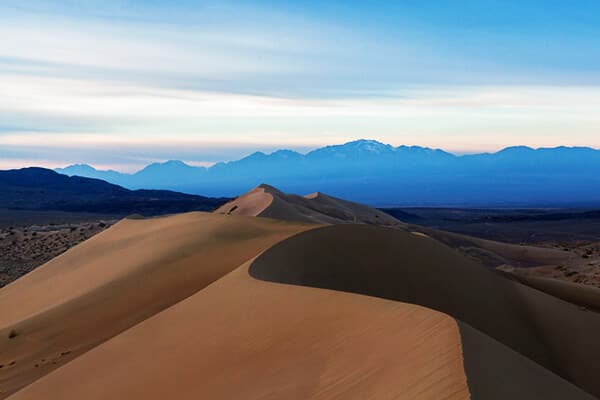
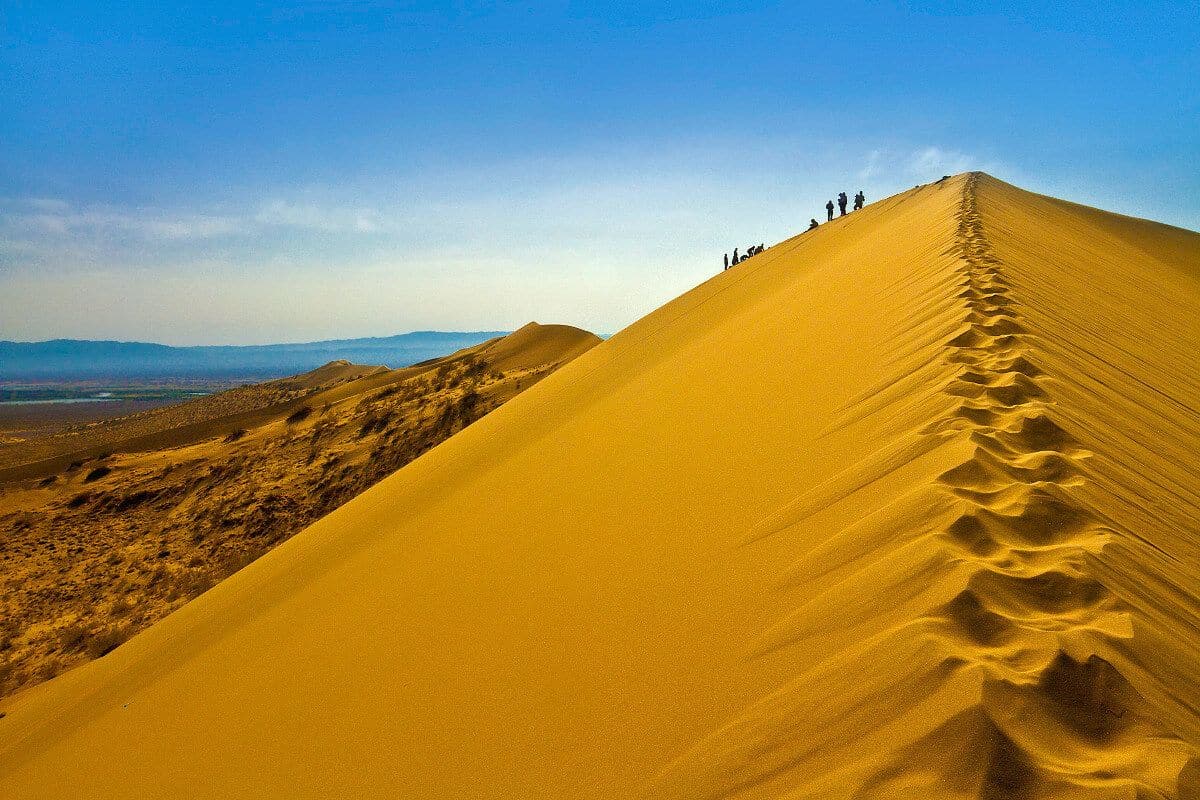
La duna cantante è una grande duna di sabbia che emette un caratteristico ronzio quando la sabbia secca inizia a "scorrere" lungo il pendio. Questo è un raro fenomeno naturale: il suono può essere udito per centinaia di metri, specialmente in condizioni di caldo e secco.
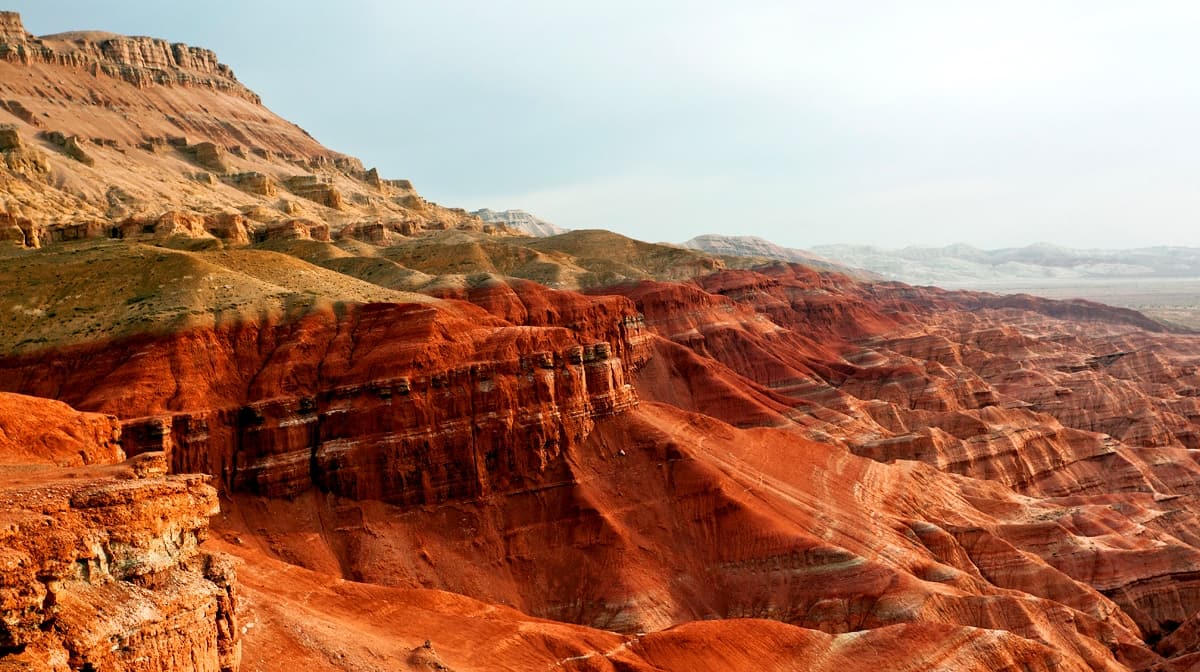
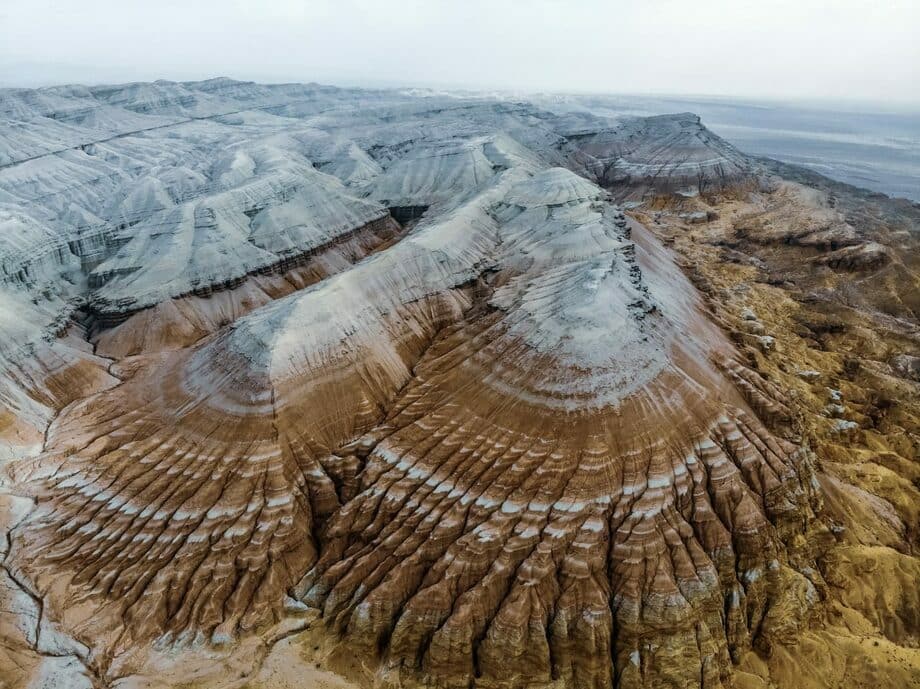
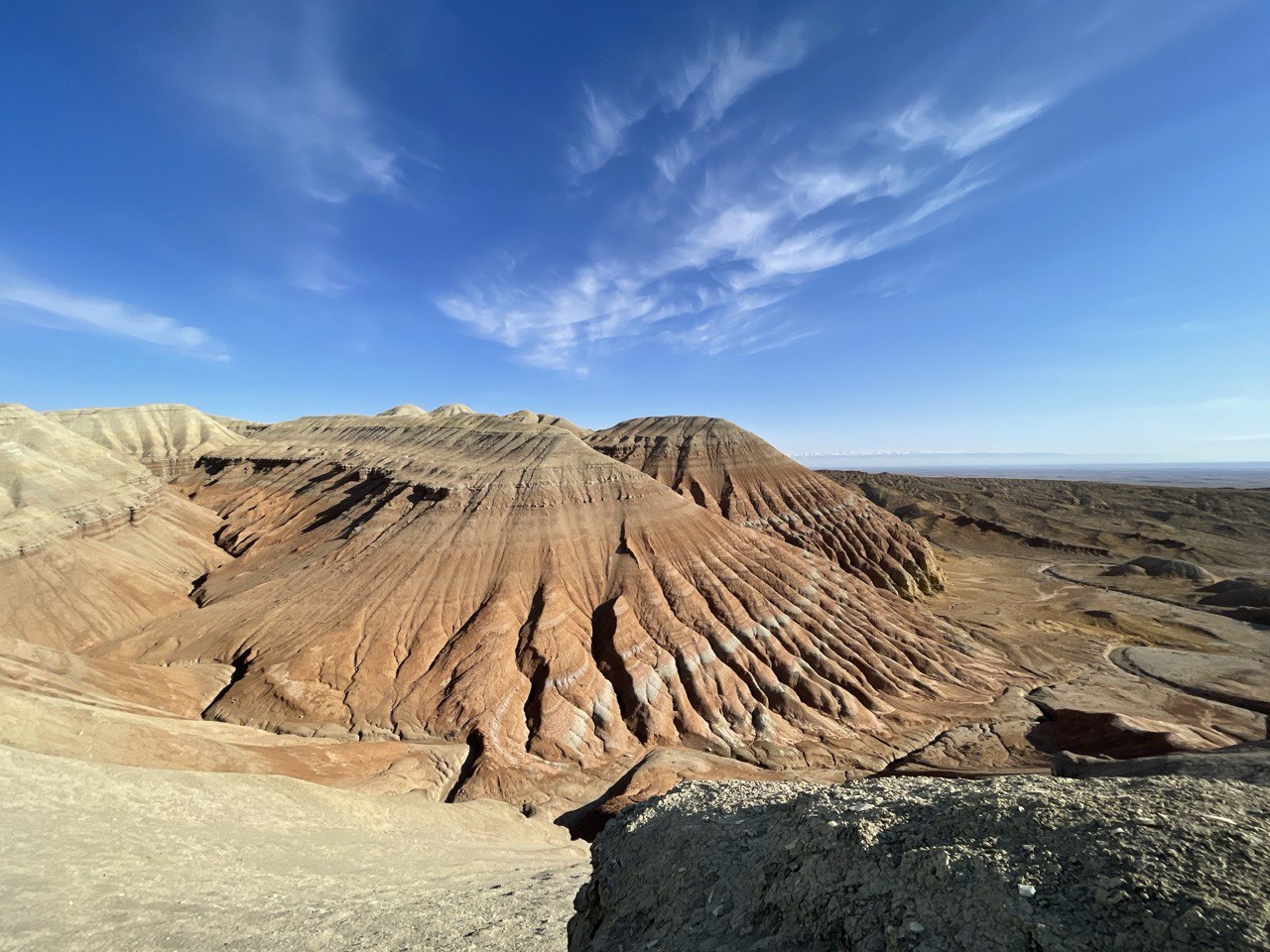
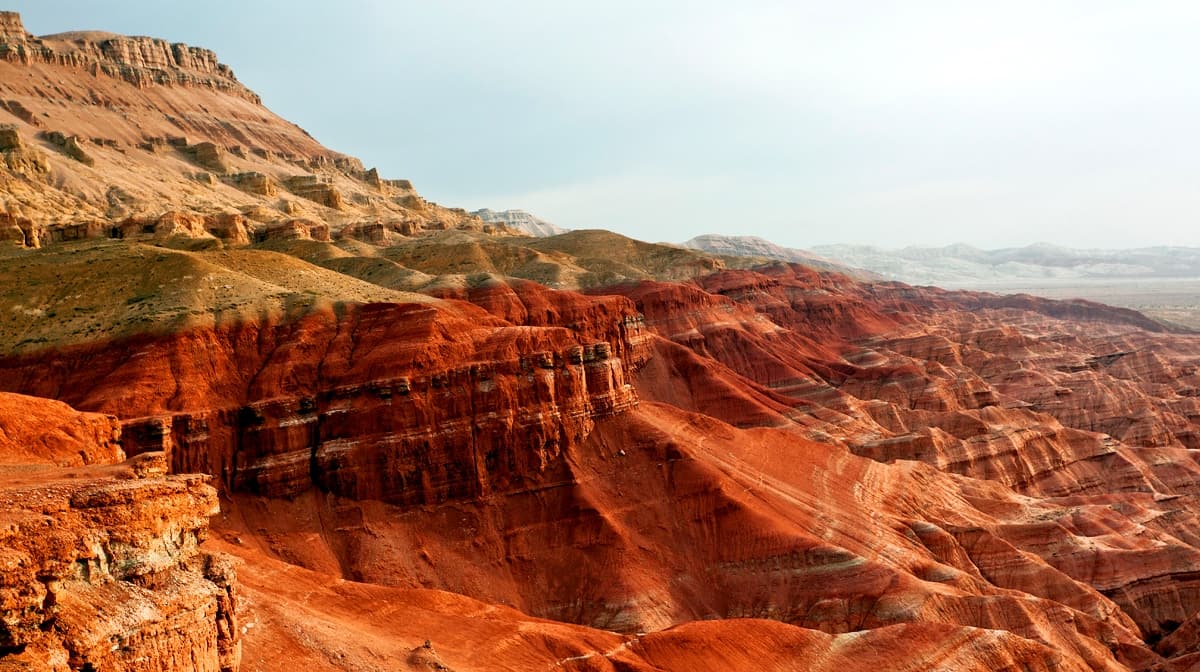
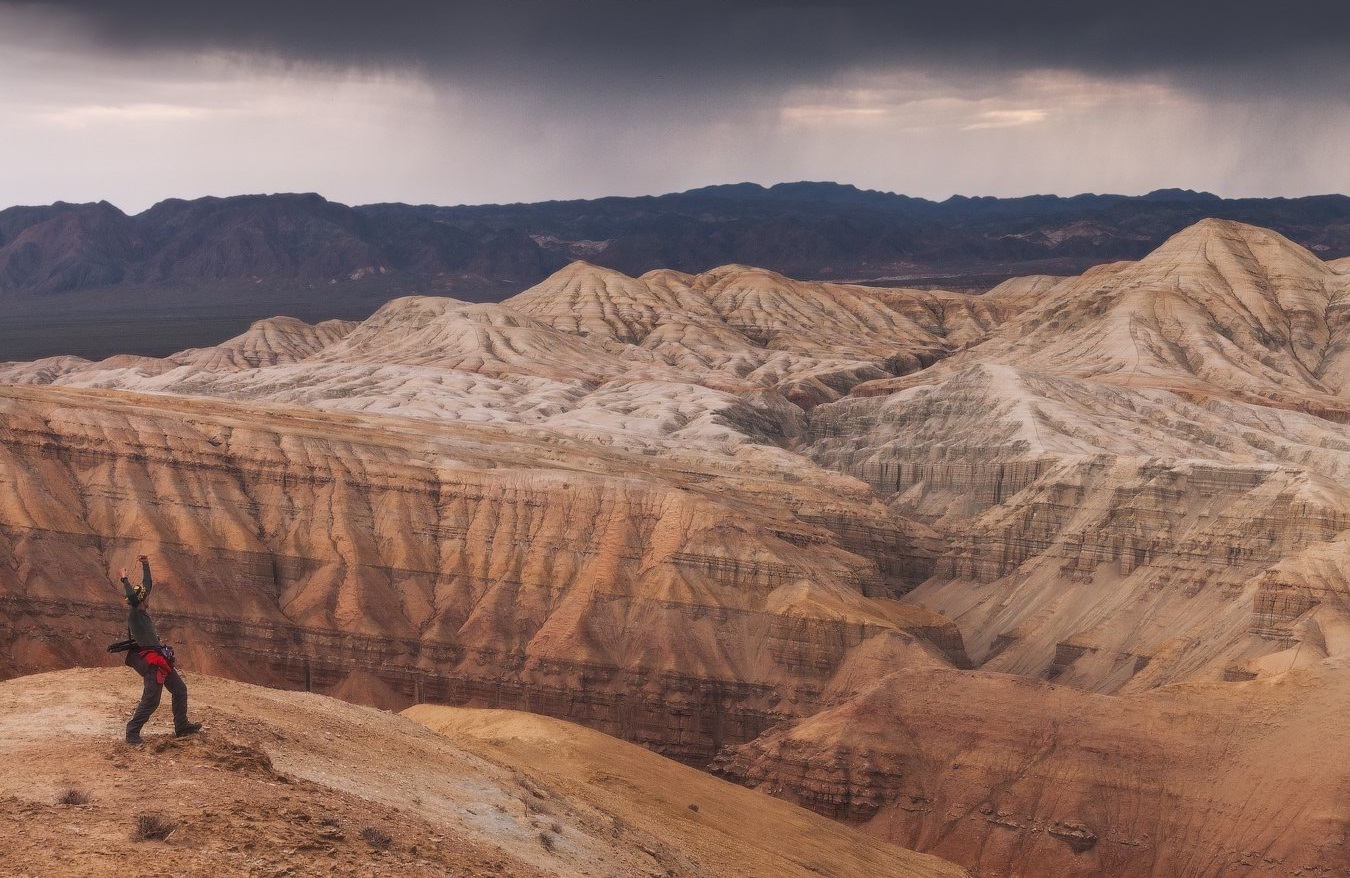
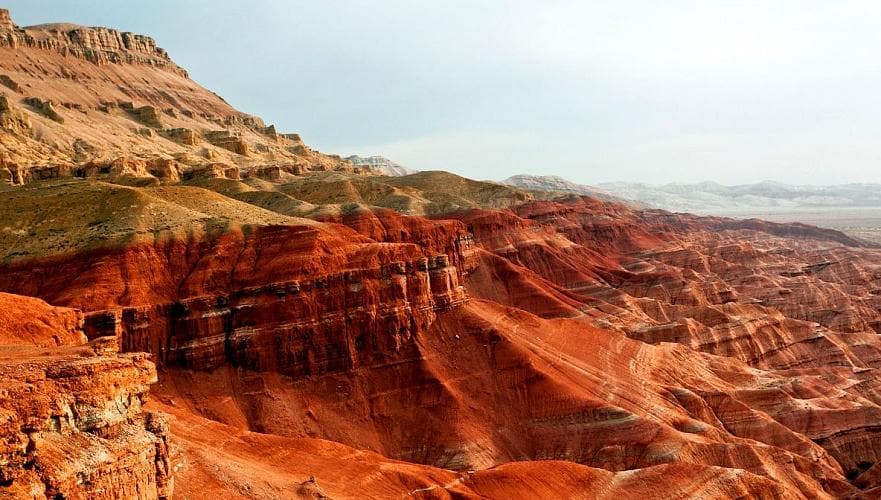
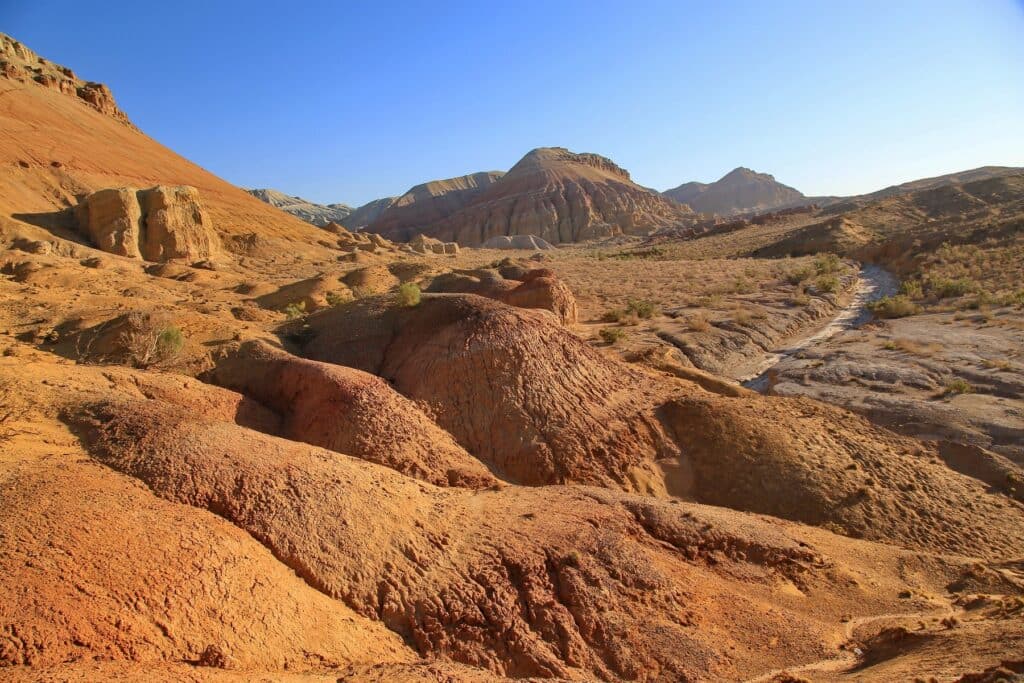
Aktau — rocce sedimentarie multicolori che ricordano un museo naturale della storia geologica: un tempo qui c'era il fondo di un antico bacino. Katutau — «montagne di pietra» con forme bizzarre di lava solidificata e rocce vulcaniche, che hanno centinaia di milioni di anni.
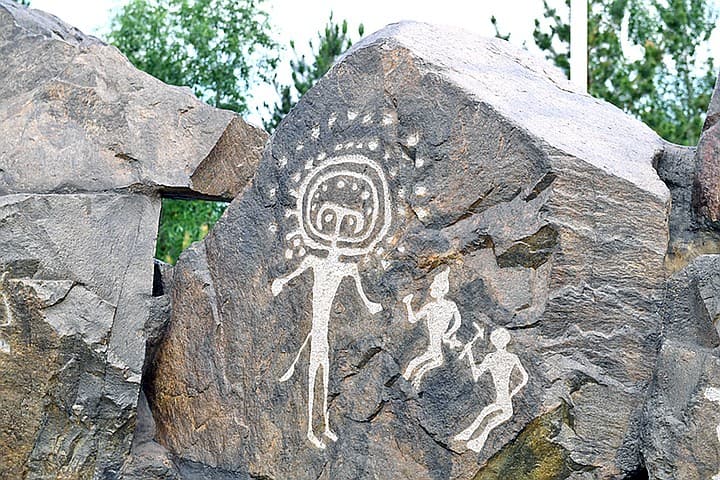
Beshtyur è un necropoli reale scita con tumuli e stele di pietra (I millennio a.C.). Tamgaly-Tas è un luogo con petroglifi dell'età del bronzo, dell'età del ferro e del medioevo: le immagini rupestri facevano parte di antichi rituali e venivano trasmesse dai maestri di generazione in generazione.
Most travelers reach Parco Nazionale «Altyn-Emel» from Almaty or another major regional hub. Private transfers, guided tours, and self-drive routes are the most practical options depending on the season and road conditions.
The best season for Parco Nazionale «Altyn-Emel» depends on the experience you want: clear scenery, warmer hiking weather, quieter shoulder-season travel, or winter landscapes. Spring through autumn is usually the most flexible period for a first visit.
Accommodation near Parco Nazionale «Altyn-Emel» can include city hotels, guesthouses, eco-lodges, camps, or resort-style stays depending on the route. Many travelers stay in Almaty or a nearby base and visit as part of a private day trip or multi-day itinerary.
Pack layers for changing weather, keep some cash for remote stops, and confirm road access before departure. A private guide or driver is often the easiest way to combine logistics, viewpoints, and local insight around Parco Nazionale «Altyn-Emel».
A half day to full day is enough for a focused visit, while a multi-day route works better if you want to combine Parco Nazionale «Altyn-Emel» with nearby highlights and travel at a slower pace.
Yes, but transport, weather, and road conditions can vary. Many visitors prefer a guided or private format to save time and make logistics easier.
In most cases yes, but the best experience depends on the season. Accessibility, comfort, and scenery can change noticeably between winter and summer.
A visit to Altyn Emel is not only about landscapes — it is also a journey into ancient history. The Bes-Shatyr burial mounds, dating back to the Saka period (1st millennium BCE), are among the most important archaeological sites in Kazakhstan.
The complex includes 31 burial structures, including a massive royal mound where archaeologists discovered gold ornaments, weapons, and ceremonial artifacts believed to accompany rulers into the afterlife. Exploring Bes-Shatyr offers a deeper understanding of the nomadic civilizations that once ruled the Kazakh steppe.
Explore the Otherworldly Aktau and Katutau Mountains
Beyond the Singing Dune, Altyn Emel National Park is famous for its surreal mountain landscapes. The Aktau Mountains are striking white and multicolored chalk formations shaped by millions of years of geological processes. Their red, pink, green, and pale blue layers resemble a lunar landscape.
Nearby, the Katutau Mountains were formed from ancient volcanic lava flows. Dark, rugged, and dramatic, they contrast sharply with the bright Aktau ridges, creating a dreamlike setting for photography and exploration.
3 Reasons to Visit the Singing Dune in Altyn Emel National Park Hear the Legendary “Song” of the Desert
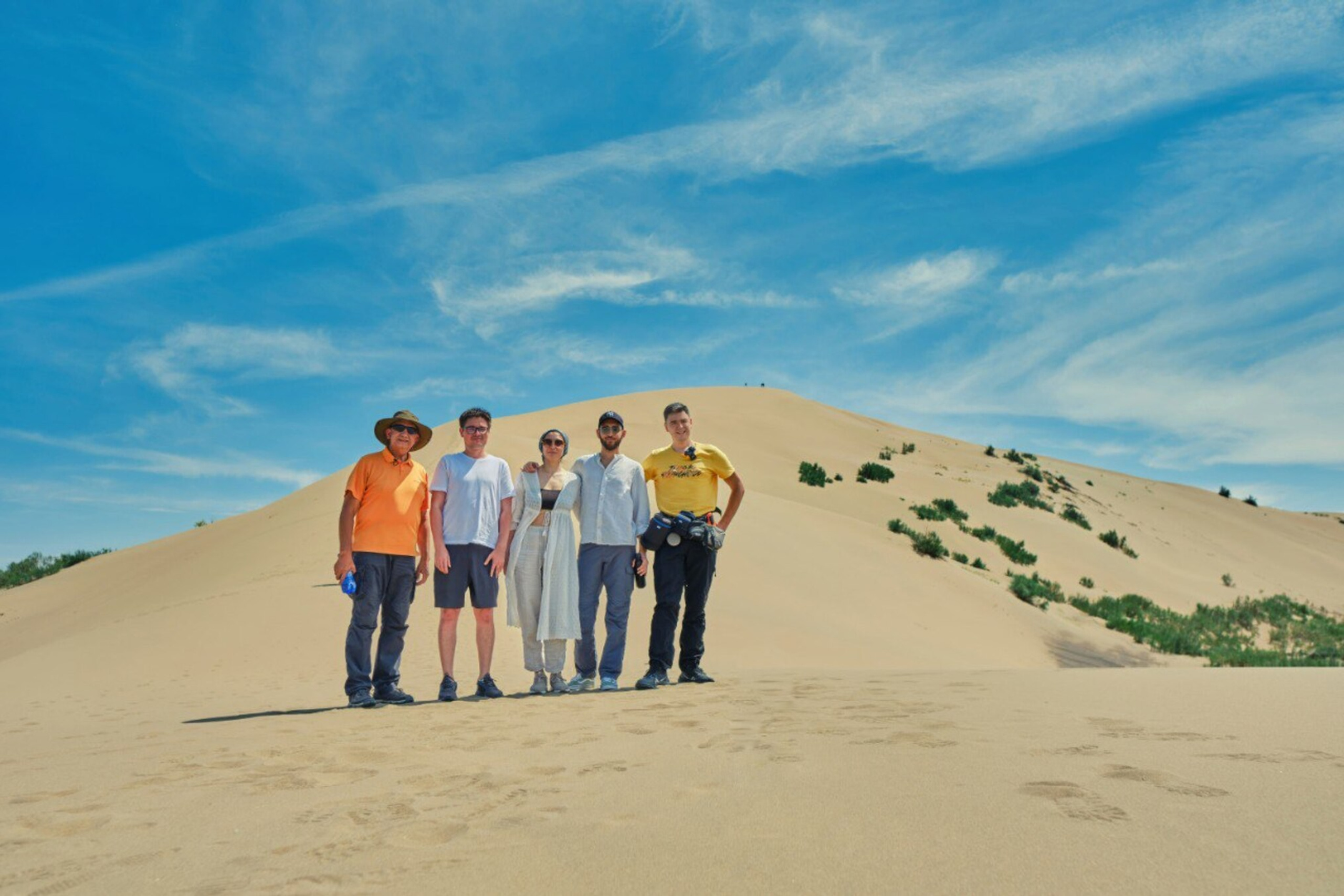
The Singing Dune in Altyn Emel National Park, Kazakhstan is one of the most unique natural phenomena in Central Asia. Rising about 120 meters high and stretching nearly 1.5 kilometers in length, this crescent-shaped sand dune was formed by powerful desert winds over thousands of years.
When the wind blows from the west, the sand begins to vibrate and produce a deep, organ-like sound — a mysterious desert melody that can be heard from miles away. This rare acoustic effect, caused by the friction of dry sand grains, creates an unforgettable atmosphere and makes the Singing Dune one of the most fascinating attractions near Almaty.
Tell us how you like to travel. We’ll shape a private route around your dates, pace, and interests.